
TL;DR

Get business pricing on tech for your team
- Business-only prices and quantity discounts
- Tax-exempt purchasing
- Multiple users, one account, clear invoices
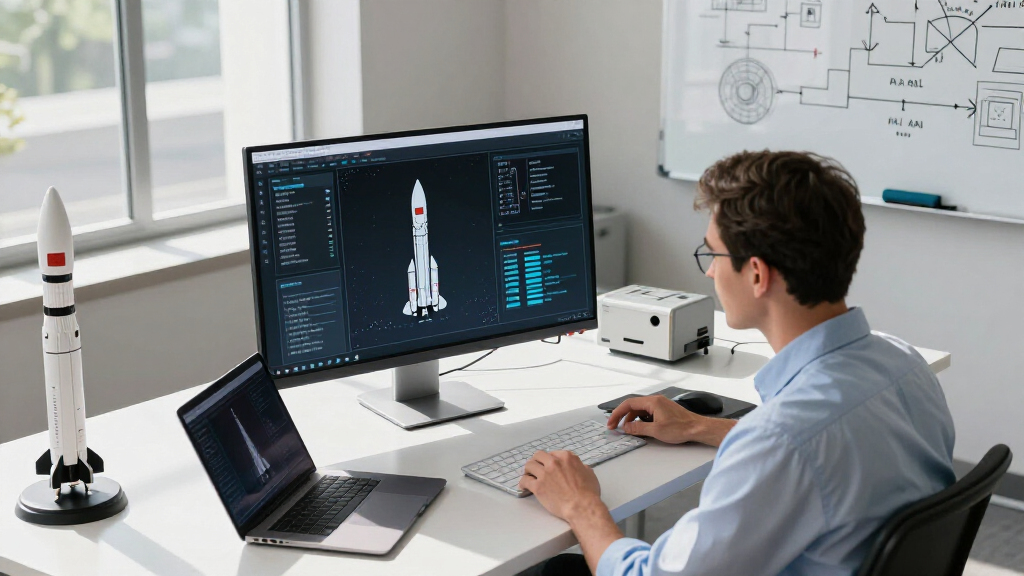
Elon Musk’s xAI has revealed a collaboration with SpaceX to advance artificial intelligence technology. This move signals a significant step in the ongoing competition among leading tech firms to dominate AI development.
Elon Musk’s xAI has announced a partnership with SpaceX to jointly develop advanced AI systems, marking a significant escalation in the global competition among tech companies to lead AI innovation. This collaboration aims to leverage SpaceX’s aerospace expertise and xAI’s AI research to push the boundaries of artificial intelligence deployment, with potential impacts across multiple industries.
According to an official statement from xAI, the partnership with SpaceX will focus on integrating AI technologies into aerospace applications, including satellite systems and space exploration. The announcement was made during a press conference held by Musk, who emphasized the importance of AI in future space missions and terrestrial innovations. While specific project details remain confidential, sources close to the matter indicate that the collaboration aims to develop scalable AI models capable of operating in extreme environments and supporting autonomous space operations. Industry analysts note that this move aligns with Musk’s broader vision of AI as a critical component for both terrestrial and space-based technological advancement. The partnership also underscores the intensifying race among major corporations, including Google, Microsoft, and OpenAI, to dominate AI development and deployment on a global scale.Implications for AI Leadership and Space Innovation
This collaboration between xAI and SpaceX signifies a strategic effort to combine AI research with aerospace capabilities, potentially accelerating technological breakthroughs in space exploration and satellite technology. It also intensifies the competitive landscape among leading tech firms vying for dominance in artificial intelligence, which could influence future regulations, investments, and global technological standards. For investors, industry players, and policymakers, this development highlights the increasing importance of AI in both commercial and government sectors, as well as the growing integration of AI into space missions. The partnership could set a precedent for cross-industry collaborations aimed at pushing AI capabilities further, but it also raises questions about AI safety, regulation, and ethical deployment in high-stakes environments.AI development tools for aerospace
As an affiliate, we earn on qualifying purchases.
As an affiliate, we earn on qualifying purchases.
Musk’s AI and Space Ventures: A Strategic Intersection
Elon Musk has long positioned himself at the forefront of AI and space innovation. He founded Neuralink to develop brain-computer interfaces, and established xAI to explore safe and beneficial AI applications. Meanwhile, SpaceX has revolutionized space launch capabilities and aims to enable human colonization of Mars. The recent partnership appears to be a convergence of Musk’s ambitions to integrate AI into space technology, building on previous statements where Musk emphasized AI’s potential to enhance autonomous spacecraft and satellite systems. This move follows Musk’s ongoing efforts to develop AI that can operate reliably in extreme environments, including space, where traditional AI models face unique challenges. The collaboration also comes amid a broader industry push, with companies like Google and Microsoft investing heavily in AI hardware and software to maintain competitive advantage.
As an affiliate, we earn on qualifying purchases.
Details of the Collaboration and Project Timeline Unclear
Specific details about the AI projects, funding, and timelines remain undisclosed. It is not yet clear how quickly the collaboration will produce tangible results or what particular applications will be prioritized. Industry insiders suggest that initial prototypes may take years to develop, and regulatory or safety considerations could influence project scope. Additionally, the extent of AI safety measures and ethical guidelines in high-stakes space applications is still uncertain, with experts calling for caution amid rapid development.
autonomous space exploration robots
As an affiliate, we earn on qualifying purchases.
As an affiliate, we earn on qualifying purchases.
Expected Milestones and Industry Reactions
In the coming months, both companies are expected to release further details about specific projects, milestones, and potential commercial applications. Industry analysts will closely monitor how this partnership influences the broader AI race, especially as competitors like Google DeepMind and Microsoft accelerate their own initiatives. Regulatory discussions around AI safety and space technology are also likely to intensify, potentially shaping future policies. Investors and stakeholders will watch for signs of technological breakthroughs or delays that could impact market dynamics and strategic positioning.
AI-powered satellite communication devices
As an affiliate, we earn on qualifying purchases.
As an affiliate, we earn on qualifying purchases.
Key Questions
What is the main goal of the xAI and SpaceX partnership?
The partnership aims to develop advanced AI systems for space exploration, satellite technology, and autonomous space operations, leveraging both companies’ expertise.
When will we see tangible results from this collaboration?
It is not yet clear; project timelines and specific milestones have not been publicly disclosed, but initial prototypes could take several years to develop.
How does this move compare to other industry efforts in AI?
This collaboration emphasizes integrating AI into space technology, a niche focus compared to broader AI applications in cloud computing, data analysis, and consumer tech by competitors like Google and Microsoft.
Are there any regulatory concerns with this partnership?
While specific regulatory issues are not yet known, AI safety and space technology regulations are likely to influence project development and deployment in the future.
What does this mean for the future of AI in space exploration?
If successful, the partnership could accelerate the adoption of autonomous AI systems in space missions, potentially transforming how humans explore and utilize space resources.
Source: hn
Halloween Picks
halloween
As an affiliate, we earn on qualifying purchases.