📊 Full opportunity report: The Role Of Invoice Audits In Restaurant Procurement on IdeaNavigator AI — validation score, market gap, and execution plan.

Get business pricing on tech for your team
- Business-only prices and quantity discounts
- Tax-exempt purchasing
- Multiple users, one account, clear invoices
TL;DR
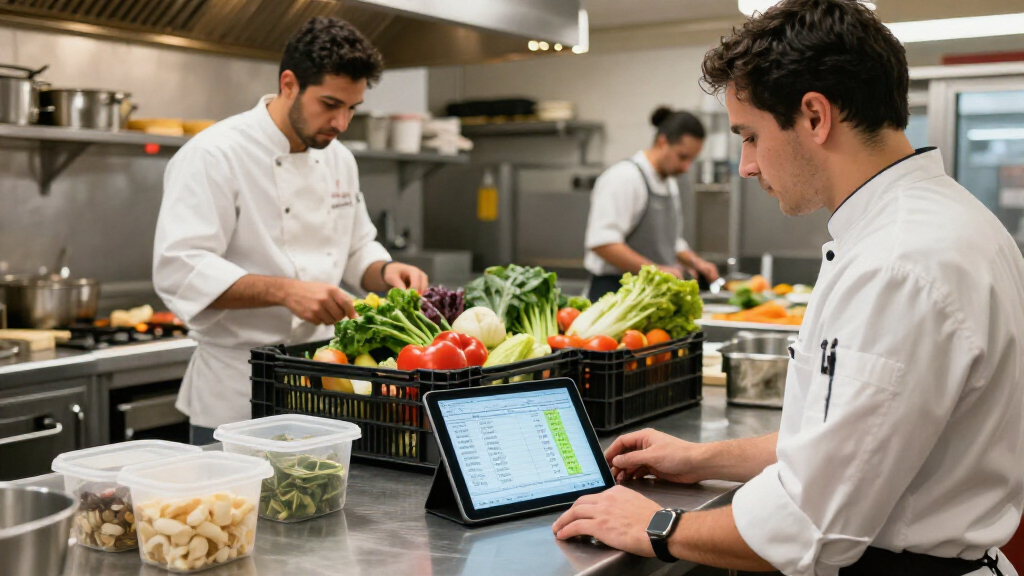
A proposed procurement workflow for independent multi-unit restaurant groups would compare supplier invoices with contracts, orders and received goods to flag possible overcharges. Its financial value has not yet been established; the proposed test is a 90-day review of paid invoices at three restaurant groups.
IdeaNavigator AI has proposed testing an invoice-auditing workflow for independent multi-unit restaurant groups, designed to compare supplier bills with agreed prices, purchase orders and received deliveries. The concept targets a recurring food-cost risk, but no audit results or verified savings are reported; the proposed next step is a 90-day review of paid invoices at three restaurant groups.
The suggested first customers are purchasing directors and controllers at restaurant groups buying food and beverages from broadline and specialty suppliers. The problem description says groups can process hundreds of supplier invoices each week, while contracted prices may not be applied, deliveries may fall short of billed quantities, substitutions may cost more, and prices may rise between orders. These are the proposal’s stated pain points, not findings from a published audit of specific restaurants.
The proposed minimum product would accept invoices through electronic data interchange where available, or through PDF and photo-based text recognition. It would compare each invoice line against the restaurant group’s supplier contracts or quote sheets and order guides, then flag possible price differences, full charges for short deliveries, higher-priced substitutions and week-to-week price changes. The system would also prepare supplier credit requests and track whether the credits appear on later invoices.
The suggested business model is a monthly fee per location, with an optional share of recovered credits for customers preferring a results-based charge. To test demand and economics, IdeaNavigator AI recommends reviewing 90 days of paid invoices and pricing documents from three groups, calculating the documented discrepancies and comparing recoverable credits per location with the planned subscription price. No test outcomes, customer commitments or pricing figures are provided.
Invoice audits in restaurant procurement
A proposed workflow would check supplier bills against agreed prices, orders and deliveries. Its ability to recover enough money to justify a fee remains unproven.
What the audit would check
The proposal focuses on reconciling what suppliers billed with what each restaurant agreed to pay, ordered and received.
Contract differences
Flag invoice lines that differ from supplier contracts or quote sheets.
Short shipments
Compare billed quantities with orders and receiving records to find possible gaps.
Credits to track
Prepare supplier credit requests and check whether credits appear on later invoices.
How the workflow is proposed to work
Accept invoices through EDI where available, or PDF and photo-based text recognition.
Match invoice lines against agreed prices, purchase orders or order guides, and delivery records.
Check flagged differences and document claims that may qualify for supplier credits.
Compare documented credits per location with the planned subscription fee.
The savings case is still open
The proposal names possible billing problems, but reports no audit findings or verified savings.
- Find price differences and charges for short deliveries.
- Give purchasing and finance teams a structured way to pursue credits.
- Test a monthly fee per location or an optional share of recovered credits.
- How many discrepancies are genuine and recoverable.
- Whether suppliers accept claims and issue credits.
- The subscription price and reliability of delivery records.
A proposed validation test
IdeaNavigator AI recommends reviewing paid invoices and pricing documents from three restaurant groups over 90 days.
Food Costs and Supplier Billing
For restaurant operators, invoice discrepancies matter because costs that are not caught before payment can reduce the margin on food sales. The proposal focuses on matching what a supplier agreed to charge with what the restaurant ordered, received and paid for. If those checks identify genuine billing errors and result in credits, the workflow could give purchasing and finance teams a structured way to pursue them rather than relying on manual review.
The concept also addresses a practical separation of duties: a kitchen employee may accept a delivery, while an office employee later processes the invoice. A comparison across ordered, received and billed quantities could help identify gaps between those steps. However, a flagged mismatch is not itself proof of an overcharge; records may be incomplete, and substitutions or pricing changes may have been authorized. The potential value depends on accurate data, supplier responses and credits actually being issued.
The pitch cites a cost-pressure rationale. It refers to a USDA Economic Research Service Food Price Outlook dated September 25, 2026, which it says forecast 2026 retail beef and veal prices rising 9.4% and wholesale beef prices rising 8.5%, compared with a 3.5% forecast increase for food-away-from-home prices. Those figures are presented as forecasts, not realized results. If the cited outlook is accurate, the gap underscores why operators may pay attention to purchasing costs, but it does not establish that an audit product will recover enough money to justify its fee.
Products Worth Considering

Bose SoundLink Plus Portable Bluetooth Speaker, Wireless Outdoor Speaker, Up to 20 Hours Battery Life, Waterproof and Dustproof, Black

Bose SoundLink Flex Bluetooth Speaker (2nd Gen), Waterproof, Dustproof, USB‑C, Up to 12 hr Battery, Black

DJI Mic 3 Wireless Microphone Kit (2 Transmitters, 1 Receiver, Charging Case)
As an affiliate, we earn on qualifying purchases.
A Proposed Audit Workflow
The proposal narrows a broad restaurant-procurement problem into a specific initial use case: supplier invoice reconciliation for independent groups with multiple locations. Rather than attempting to manage all purchasing activity, the suggested first version would focus on comparing existing records and identifying discrepancies for follow-up.
That approach relies on four kinds of information: supplier invoices, agreed prices, purchase orders or order guides, and records of what was delivered. The proposal allows for different invoice formats, including structured EDI data and scanned documents, but does not describe how delivery quantities would be captured or reconciled when receiving records are absent. It also does not report that a product has been built or deployed.
The recommended validation is retrospective: inspect paid invoices and relevant contracts or quote sheets from three restaurant groups over a 90-day period. The stated decision rule is whether documented credits per location clearly exceed the intended subscription fee. That is a proposed test, not an announced study or a result already obtained.
Savings and Data Gaps
The central unknown is recoverable value. No figures are supplied for the number or dollar amount of discrepancies, the share suppliers would accept as valid claims, or the time needed to secure credits. There is also no proposed subscription price, so the break-even comparison cannot yet be assessed.
Other operational details remain unspecified. The proposal does not explain how the system would obtain reliable records of goods received, handle authorized substitutions or agreed price changes, or distinguish a genuine billing error from a data-entry problem. It also does not name participating restaurant groups or suppliers, provide a product launch date, or report customer testing. The USDA figures are forecasts cited in the proposal; the material does not provide evidence that those forecasts have since been realized.
The Three-Group Validation Test
The proposed next step is a 90-day lookback across three restaurant groups, using their paid invoices and supplier contracts or quote sheets. The review would total billed amounts above agreed prices, cases billed in full despite short shipments, and price increases between orders, then determine which discrepancies can be documented as credit requests.
For the idea to advance under its own stated test, the resulting credits per location would need to clearly exceed the planned subscription fee. No timeline for starting the review, decision date, or follow-up results has been announced. Until those details and findings are available, the concept remains a proposed workflow rather than a demonstrated source of restaurant savings.
Source: IdeaNavigator AI
Key Questions
What would the proposed restaurant invoice auditor do?
It would compare supplier invoice lines with agreed prices, order records and received quantities, flag possible discrepancies, and help prepare and track credit requests.
Has the product been tested or shown to save money?
No test results or verified savings are reported. A 90-day review at three restaurant groups is proposed as a way to evaluate whether credits could justify a subscription.
Which restaurant businesses is the idea aimed at?
The proposed first users are purchasing directors or controllers at independent restaurant groups with multiple locations and broadline or specialty food and beverage suppliers.
How might the service charge customers?
The suggested model is a monthly subscription per location, with an optional fee tied to recovered credits. No actual prices are provided.
What remains unknown about the savings case?
The number of valid discrepancies, the credits suppliers would issue, the cost of the service and the reliability of delivery records are all unreported or unspecified.
Source: IdeaNavigator AI