

TL;DR

Get business pricing on tech for your team
- Business-only prices and quantity discounts
- Tax-exempt purchasing
- Multiple users, one account, clear invoices
A single video can now produce a complete publishing package—thumbnails, captions, clips, social posts—entirely on local hardware. This shift away from cloud reliance boosts privacy, reduces costs, and speeds up workflows.
Imagine turning a raw video into a full-blown publishing arsenal—ready for every platform—without sending a byte of media to the cloud. That’s the promise behind local video AI tools designed to give you complete control over your content.
It’s not just about privacy or cost savings. It’s about speed, flexibility, and owning your footage. If you’ve ever spent hours repackaging one video for YouTube, TikTok, blogs, and social posts, this could change everything.
.
Key Takeaways
- Local AI hardware now enables end-to-end video processing and publishing without relying on cloud services.
- A complete publishing kit includes titles, descriptions, clips, thumbnails, and social posts—all generated on your own infrastructure.
- Processing on-site boosts privacy, reduces costs, and speeds up workflows, especially for sensitive or high-volume content.
- Modern local tools match cloud quality for captions, scene detection, and metadata, closing the gap on performance.
- Investing in capable hardware like the UniFi AI Key or NVRs makes these workflows accessible to small teams and individual creators.
local video AI processing hardware
As an affiliate, we earn on qualifying purchases.
As an affiliate, we earn on qualifying purchases.
What does ‘one video in, a whole publishing kit out’ really mean?
It means you feed a single video into a local system, and it spits out all the assets you’d normally generate separately—titles, descriptions, clips, thumbnails, social posts—all ready to publish. Think of it as a factory that automates your entire content pipeline, right on your desk.
For example, a creator uploads a 10-minute interview. The system analyzes it—detects key moments, generates catchy titles, writes descriptions, creates short clips for TikTok, and even suggests hashtags—all without leaving your local server. This automation reduces manual effort, minimizes human error, and speeds up content deployment, giving creators a competitive edge in timely publishing. The deeper implication is that such tools can democratize high-quality content production, allowing smaller teams or individual creators to produce professional-grade assets without large budgets.

video editing and publishing kit
As an affiliate, we earn on qualifying purchases.
As an affiliate, we earn on qualifying purchases.
Can you really do all that without the cloud? Yes, and here’s how.
Yes, it’s entirely feasible. Modern local AI hardware like the UniFi AI Key handles speech recognition, scene analysis, OCR, and metadata tagging—all on-site. No need to upload your video to a cloud server.
This local processing capability is significant because it directly addresses common concerns about data privacy and security, especially for sensitive or proprietary content. It also reduces dependency on internet connectivity, which can be unreliable or slow, particularly in remote locations or high-security environments. As a result, organizations can maintain full control over their data, ensure compliance with strict privacy regulations, and avoid potential data breaches associated with cloud storage. The tradeoff, however, is that local hardware requires an upfront investment and some technical know-how to set up and maintain. Nonetheless, the ongoing improvements in on-premises AI hardware mean that many users will find this a viable and increasingly accessible option.

on-premises AI video analysis tools
As an affiliate, we earn on qualifying purchases.
As an affiliate, we earn on qualifying purchases.
What hardware do you need to run a full publishing kit locally?
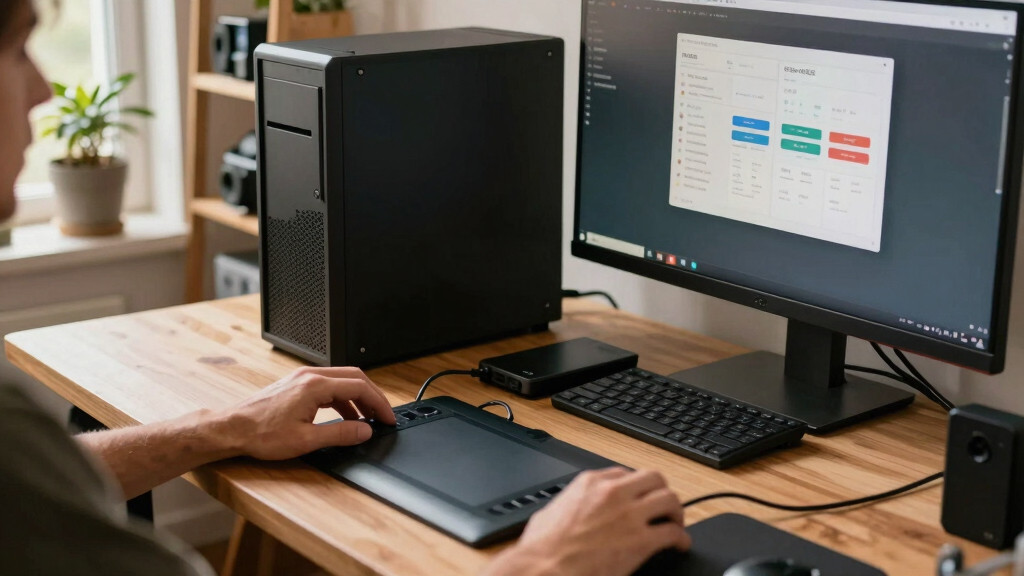
Running a local publishing kit requires capable hardware—think a robust PC or dedicated server with a decent GPU or NPU. Storage depends on your video size, but 1TB is a good starting point for moderate workflows.
For example, a small media team might use a high-end NVR or mini server with an NVIDIA RTX GPU, enabling real-time processing of multiple videos simultaneously. The choice of hardware impacts processing speed, scalability, and the complexity of tasks you can handle. Investing in hardware that balances power and cost is essential; high-end GPUs accelerate processing, allowing for near-instantaneous asset generation, while more modest setups might require longer processing times but still offer significant benefits over cloud reliance. As hardware matures, these solutions become more affordable and user-friendly, expanding access to a broader range of users.
privacy-focused video editing software
As an affiliate, we earn on qualifying purchases.
As an affiliate, we earn on qualifying purchases.
What’s included in a ‘publishing kit’? Think beyond just a video file.
A publishing kit includes everything: video assets, captions, thumbnails, metadata, clips, chapters, and social media posts. It’s a one-stop package that covers all your distribution needs.
For example, a YouTuber finishes editing and gets a ready-to-upload package: optimized titles, engaging thumbnails, a set of short clips, and social posts tailored for each platform—everything generated locally. This comprehensive approach ensures consistency across platforms and saves time, allowing creators to focus more on content quality rather than repetitive packaging tasks. The implication is that content producers can maintain a cohesive brand identity effortlessly, even when managing multiple channels. A well-structured publishing kit also facilitates easier updates and repurposing of existing content, increasing ROI on each video.

How local AI tools boost privacy, cut costs, and speed up publishing
Local AI processing keeps all footage and data on your hardware. No need to upload sensitive content to third-party servers, which is key for privacy and compliance.
Plus, no cloud fees or subscription costs. Once you invest in the hardware, your ongoing expenses drop drastically. This shift not only reduces operational costs but also shifts the power dynamic—users are no longer dependent on service providers’ availability or policies. Speed is another significant advantage—processing happens in real time or near-real time, enabling rapid turnaround from raw footage to published content. For organizations handling sensitive or confidential material, this approach minimizes risks associated with data breaches or leaks. The tradeoff is that initial setup and hardware costs can be substantial, but the long-term savings and control often outweigh these concerns.

What AI features are now available locally? The game-changers
Local AI can do more than transcribe. It can detect scene changes, generate descriptive captions, identify objects, and even analyze speaker intent—all without cloud dependency.
For example, a real estate agent’s camera system automatically tags rooms, detects furnishings, and creates virtual tours—all processed on-site.
These capabilities enable smaller teams and individual creators to produce more sophisticated content without needing extensive cloud-based infrastructure. The implications are profound: increased accessibility, faster iteration cycles, and enhanced privacy. As hardware continues to evolve, these features will become even more integrated and seamless, transforming how content is created and published at every level.

How does the output compare with cloud-based tools? Is it just as good?
Local processing now rivals cloud options in quality. For instance, captions generated locally are nearly as accurate as those from cloud services, and visual analysis tools can identify scenes with impressive precision.
In some cases, local AI even offers lower latency, making real-time editing and decision-making possible.
This convergence in quality means creators no longer need to compromise between privacy and performance. The implications are significant: organizations can confidently switch to local workflows without sacrificing output quality. However, some advanced features or very large-scale processing might still benefit from cloud scalability, so hybrid approaches could remain relevant for certain use cases. Overall, the trend indicates that local AI is quickly catching up and, in many scenarios, surpassing cloud-based solutions in practical performance.

Can this system generate all the assets you need—clips, thumbnails, metadata, and social posts?
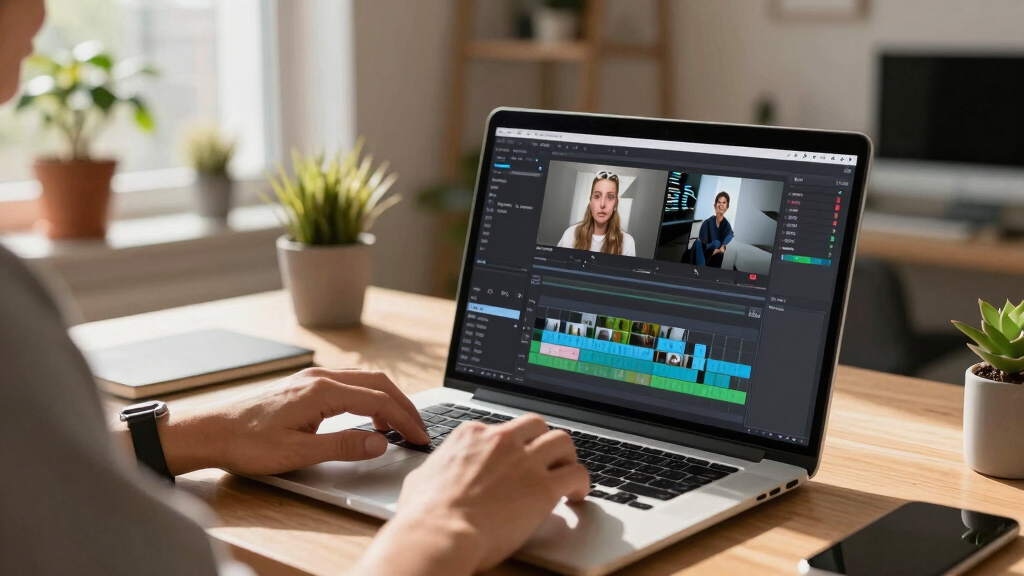
Yes. Modern local tools can automatically create short clips, eye-catching thumbnails, detailed metadata, and tailored social media posts.
For example, a YouTuber gets a set of clips for TikTok, an eye-catching thumbnail, and a ready-made Twitter thread—all created by the system from a single upload. This comprehensive asset generation not only accelerates content deployment but also ensures consistency across platforms, which is crucial for brand recognition. The ability to automate these tasks reduces manual effort and minimizes human error, leading to more professional and polished outputs. As these tools mature, they will increasingly incorporate AI-driven optimization techniques, further enhancing content quality and engagement.
Who benefits most from local, cloud-free video workflows?
This approach suits creators with privacy concerns, organizations handling sensitive footage, and teams wanting predictable costs and faster turnaround times.
For instance, a security firm processes surveillance footage locally to avoid cloud data leaks and maintain compliance. Small media teams, educational institutions, and even some enterprise content creators are jumping on this trend, as it offers a strategic advantage in control and efficiency. The deeper benefit lies in the empowerment of users to manage their content lifecycle entirely on their terms, avoiding external dependencies and potential data vulnerabilities. This democratization of high-quality video processing can lead to broader innovation and more secure content management practices across industries.

How does this compare with traditional cloud publishing platforms?
Cloud platforms often offer seamless, scalable workflows but depend on internet speed, ongoing subscriptions, and data privacy concerns.
Local workflows eliminate these issues. They require upfront hardware investment but deliver faster, more secure results with no monthly fees. This shift means that organizations can significantly reduce operational costs and gain more control over their data, which is especially important in regulated industries. The main tradeoff is the initial cost and technical setup, but the long-term benefits—speed, security, and independence—often outweigh these hurdles. As hardware prices decrease and user-friendliness increases, local solutions will become increasingly attractive for a broad range of users.

What are the privacy and security benefits of keeping everything on-site?
Storing and processing videos locally means sensitive footage never leaves your hardware. This reduces risks of data breaches and ensures compliance with strict privacy regulations.
For example, a healthcare organization processes patient videos on-prem, avoiding cloud storage and potential leaks. This approach is vital for industries with stringent data protection requirements, such as healthcare, legal, and government sectors. It also provides peace of mind knowing that access controls, audit trails, and encryption are managed internally, reducing reliance on third-party providers. However, it requires diligent management of security measures and regular updates to hardware and software to mitigate vulnerabilities. Overall, on-site processing offers unparalleled control over data sovereignty, which is increasingly critical in a data-driven world.
Frequently Asked Questions
Is it really possible to replace cloud services entirely?
Yes. Advances in local AI hardware and software mean you can handle transcription, scene analysis, metadata generation, and publishing entirely offline. It’s a practical, secure alternative for many use cases.
What hardware do I need to set this up?
A capable PC or dedicated server with a GPU or NPU—such as the UniFi AI Key—can handle most workflows. Storage depends on your volume, but 1-2TB is often enough for moderate use.
How does the quality compare with cloud-based tools?
Local AI now rivals cloud services for captions, scene detection, and metadata. Many users report comparable accuracy and faster turnaround times, especially for privacy-sensitive projects.
Are there ongoing costs or subscriptions?
No. Once you invest in hardware, the recurring costs drop to maintenance and upgrades. This makes local workflows more predictable and budget-friendly.
Can it generate social media posts automatically?
Absolutely. Modern local tools can create clips, thumbnails, captions, and even tailored social posts, saving hours of manual editing and posting effort.
Conclusion
Switching to local video processing isn’t just a tech upgrade; it’s a game-changer for control, privacy, and speed. As hardware matures, more creators and organizations will find it hard to justify relying on cloud stacks anymore.
Imagine a future where a single video powers your entire publishing universe—without ever leaving your local network. That future isn’t distant; it’s already here.
Halloween Picks
halloween
As an affiliate, we earn on qualifying purchases.