
📊 Full opportunity report: When Does Cheap Memory Come Back? The 2027–2029 Question on ThorstenMeyerAI.com — validation score, market gap, and execution plan.
TL;DR
Memory shortages are expected to persist until late 2027 or beyond, with prices remaining elevated through 2028–2029. Capacity expansions are slow, and demand, especially from AI, remains high, making relief unlikely before then.
Memory prices are unlikely to decrease significantly before late 2027, with industry experts and manufacturers signaling that relief is at least two years away due to ongoing capacity constraints and high demand.
Analysts such as IDC and industry leaders including Samsung and SK Hynix project that memory supply will begin to stabilize around mid-2027 to late 2027, but full normalization of prices and availability is expected only by 2028 or 2029. The primary bottleneck is the lengthy process of building and ramping new fabrication plants, which can take several years, with the first significant capacity increases starting in 2027.
Major new fabs, such as Micron’s Idaho plant and SK Hynix’s Indiana facility, are scheduled to come online around 2028. However, the largest planned capacity increase, Micron’s New York megafab, has been delayed until 2030. As a result, supply remains tight, and prices are expected to stay elevated, settling at 30–50% above pre-crisis levels on a permanent basis.
Industry insiders also warn that even with new capacity, demand from AI and high-performance computing continues to grow rapidly, further constraining supply. Some companies, like OpenAI, have secured long-term supply agreements through 2029, indicating sustained high demand.
When does cheap memory come back?
The question everyone’s really asking: do I just wait this out? The honest answer is a timeline, three scenarios, and news you may not want — the cheap memory you remember isn’t coming back. A less-expensive market probably is — later, and at a higher floor.
Capacity ramps ’27–’28; price climbs stop, then ease. Settles ~30–50% above pre-crisis — the new baseline, not a return to 2024.
AI keeps accelerating; OpenAI locked ~40% of DRAM through 2029; makers pause expansion to protect record margins; each HBM gen worsens the math.
AI demand moderates just as delayed ’27–’28 fabs all arrive → classic overshoot → prices crash. Not the bet — but never impossible in this industry.
The one relief valve that needs no fab is efficiency: if compression (Part 9) cuts how much memory each model needs, demand softens on the timescale of a software update, not a construction project. So the posture isn’t waiting — it’s the discipline this series has been about. Memory is now a scarce, valuable resource; treat it that way. Buy what you need, right-size, own what’s steady, rent what’s spiky, quantize either way. The people who do best won’t be the ones who guessed the bottom — they’ll be the ones who stopped needing so much. That’s the squeeze, end to end.
Implications for Tech and AI Industries
Persistent memory shortages and elevated prices will impact the cost and availability of advanced computing hardware, affecting sectors from consumer electronics to enterprise AI infrastructure. Companies may face higher costs and delayed product launches, and the industry’s shift toward more efficient memory usage could influence future design strategies.
Understanding this timeline helps businesses plan investments, supply chain strategies, and technological development, while consumers may face higher prices for devices relying on advanced memory.
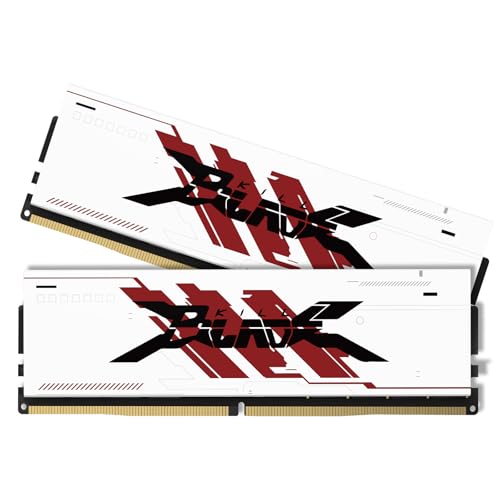
PUSKILL DDR4 3200MHz CL16 Desktop RAM Kit Heatsink, 32GB (2x16GB)
- High Capacity Memory: 32GB (2x16GB) for heavy multitasking
- Fast 3200MHz Speed: Ultra-responsive performance with XMP/DOCP enabled
- Low Latency CL16: Tight timings for quick data access
As an affiliate, we earn on qualifying purchases.
As an affiliate, we earn on qualifying purchases.
Capacity Expansion Delays and Demand Trends
The memory industry has faced a supply crunch since 2026, driven by physical constraints in manufacturing and a surge in demand from AI and high-performance computing sectors. Major fabs scheduled for 2027 and beyond are still in construction or planning phases, with delays pushing expected relief into 2028–2029.
Historically, the industry has experienced boom-bust cycles, and current conditions resemble a prolonged bust phase. The physical process of building new fabs, including the creation of cleanroom space and wafer fabrication lines, cannot be accelerated significantly, making near-term relief unlikely.
Demand remains high, with companies like OpenAI locking in long-term memory supply agreements, and AI workloads continue to grow exponentially, further constraining supply and keeping prices elevated.
Some potential demand reduction through efficiency improvements or new memory compression techniques could soften the market, but these are not immediate solutions and are still under development.
“The shortage could extend through 2027 and beyond, with a genuine easing only anticipated in late 2028.”
— Samsung and SK Hynix representatives

V-Color Manta XSky DDR5 32GB (2x16GB) 6000MHz CL30 SK Hynix IC RGB Gaming Desktop Memory Module Black, for AMD EXPO TMXSAL1660830KWK
- Memory Series: Manta XSky RGB UDIMM (AMD EXPO)
- Capacity: 32GB (16GBx2)
- Overclocking Speed: DDR5 6000MHz
As an affiliate, we earn on qualifying purchases.
As an affiliate, we earn on qualifying purchases.
Factors That Could Extend or Shorten the Shortage
While current projections suggest relief around 2028–2029, several factors could alter this timeline. A sudden slowdown in AI demand, a market crash due to oversupply, or unexpected delays in fab construction could all impact the timing. Conversely, faster-than-expected capacity additions or technological breakthroughs in manufacturing could bring relief sooner. The industry’s history of boom and bust cycles remains a wildcard, making precise predictions difficult.
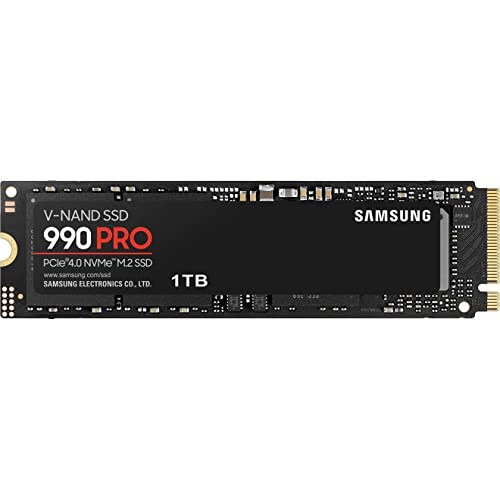
Samsung SSD 990 PRO 1TB, PCIe 4.0 M.2 2280, Up to 7,450 MB/s
- Speed Boost: Up to 7,450 MB/s read speed
- Enhanced IOPS: Up to 1550K IOPS read/write
- Power Efficiency: 50% better performance per watt
As an affiliate, we earn on qualifying purchases.
As an affiliate, we earn on qualifying purchases.
Upcoming Capacity Milestones and Demand Trends
Key developments include the ramp-up of Micron’s Idaho and Clay fabs, SK Hynix’s Indiana plant, and Samsung’s new Pyeongtaek line, all expected to influence supply between 2027 and 2029. Monitoring these capacity additions, along with AI industry demand, will be critical for assessing when memory prices might finally ease.
Industry analysts will continue to refine forecasts as new data emerges, and companies may adjust their expansion plans based on market conditions. Additionally, innovations in memory efficiency could play a role in alleviating demand pressures without new fab capacity.

Simmtec RAM 32GB (2x16GB) DDR4 2666MHz SODIMM PC4-21300 (PC4-2666V) CL19 1.2V Non-ECC SO-DIMM 260 PinLaptop, Notebook & AIO Computer Memory Upgrade Kit
- Capacity: 32GB (2x16GB modules)
- Speed: DDR4 2666MHz / 2667MHz
- Form Factor: 260-Pin SO-DIMM
As an affiliate, we earn on qualifying purchases.
As an affiliate, we earn on qualifying purchases.
Key Questions
When are memory prices expected to drop significantly?
Most industry experts expect prices to stabilize around late 2027, with full relief likely not until 2028 or 2029.
Will the memory shortage end completely?
It is unlikely that the shortage will end entirely; instead, prices are expected to settle at a higher, more stable level, with supply gradually catching up to demand.
What factors could speed up or delay the relief?
Delays could occur if construction of new fabs faces unexpected setbacks or demand remains high. Conversely, technological advances or demand reductions could accelerate relief.
How will this affect AI and tech industries?
Prolonged shortages and high prices may increase costs for hardware and infrastructure, potentially delaying product launches and affecting innovation timelines.
Are there any alternatives to waiting for new fabs?
Yes, demand could be reduced through efficiency improvements and memory compression techniques, which may provide some relief without new manufacturing capacity.
Source: ThorstenMeyerAI.com