
AI automation platforms help people connect AI capabilities with business tasks, but choosing the right approach depends on technical skill, workflow complexity, and the systems already in use. For this roundup, No-Code AI Automation: A Hands-On Guide is the best overall starting point because it focuses on building workflows without requiring code, while No-Code AI Automation for Small Business speaks directly to lean teams and The RPA Developer Roadmap suits readers seeking a technical path. These are books and guides about platforms, not automation software products themselves, so the key tradeoff is learning breadth versus practical guidance for a specific tool or audience. Read on for how the eight options differ and which one best matches your goals.

Get tech for your team delivered free — and shop member deals
- Fast, free delivery on millions of items
- Access to Prime Big Deal Days deals on October 6–7
- Prime Video, Amazon Music and more included
Key Takeaways
- The hands-on no-code guide ranks first for its direct focus on building automations, while the broader AI and platform references offer more coverage but less workflow-specific direction.
- Small-business guidance has a distinct audience: it can help owners frame practical automation needs, but it is narrower than a general no-code resource.
- Microsoft-focused titles are most relevant to Microsoft ecosystems; readers using other platforms may get less from their tool-specific guidance.
- The RPA Developer Roadmap is the technical path in this lineup, aimed at readers building skills across RPA, APIs, and modern automation rather than seeking a quick no-code start.
- Enterprise architecture belongs to a different decision stage: it addresses connected systems and organizational design, not the first steps of creating a single automation.
| Microsoft Copilot Studio User Guide for Beginners |  | Best for Learning Copilot Studio | Format: Beginner-focused guidebook | Primary platform: Microsoft Copilot Studio | Related ecosystem: Microsoft Power Platform | VIEW LATEST PRICE | See Our Full Breakdown |
| The RPA Developer Roadmap: A Practical Technical Path to Master RPA, Automation Platforms, APIs, AI, and Modern Automation |  | Best for Aspiring RPA Developers | Format: Practical technical guide | Primary audience: Aspiring RPA developers | Core topic: Robotic process automation | VIEW LATEST PRICE | See Our Full Breakdown |
| Power Platform and the AI Revolution: Explore Modern AI Services to Develop Apps, Bots, and Automation Patterns to Enhance Customer Experiences | 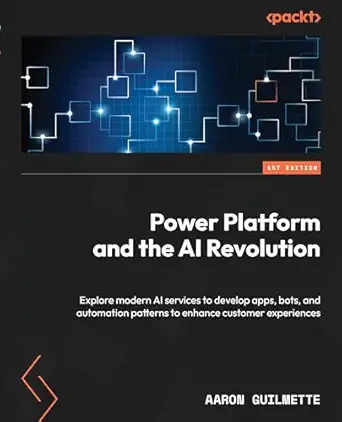 | Best for Microsoft AI and Customer Workflows | Format: Technical guidebook | ISBN: 1835086365 | Primary ecosystem: Microsoft Power Platform | VIEW LATEST PRICE | See Our Full Breakdown |
| No-Code AI Automation: A Hands-On Guide to Building Sophisticated Automations Without Writing Code (AI Automation Series Book 4) | 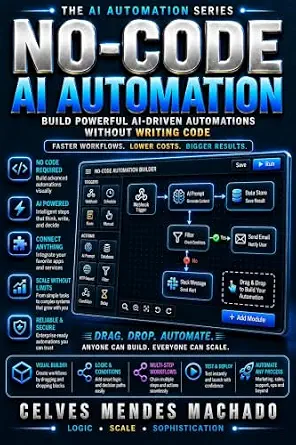 | Best for No-Code Workflow Building | Format: Hands-on guidebook | Series: AI Automation Series, Book 4 | Primary topic: AI-driven automation | VIEW LATEST PRICE | See Our Full Breakdown |
| AI Automation with Claude: A Beginner’s Guide to Building Real, Working Automations | 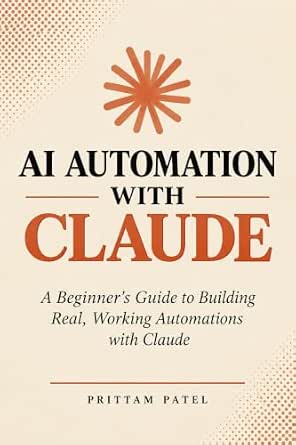 | Best for Claude Beginners | Format: Beginner guidebook | Primary AI platform: Claude | Primary topic: AI automation | VIEW LATEST PRICE | See Our Full Breakdown |
| AI Tools and Platforms: A Comprehensive Guide for Machine Learning, Automation, and Data Analysis |  | Best for AI Consulting Breadth | Format: Guide | Primary subjects: AI tools and platforms | Coverage areas: Machine learning, automation, and data analysis | VIEW LATEST PRICE | See Our Full Breakdown |
| Enterprise Digital Transformation Architecture: Designing Connected Business Platforms Through Modern Integration, Intelligent Automation, and Artificial Intelligence |  | Best for Enterprise Architecture | Format: Guide | Primary focus: Enterprise digital transformation architecture | Core topics: Modern integration, intelligent automation, and artificial intelligence | VIEW LATEST PRICE | See Our Full Breakdown |
| No-Code AI Automation for Small Business |  | Best for Small-Business Beginners | Format: Guide | Intended audience: Small businesses | Implementation approach: No-code | VIEW LATEST PRICE | See Our Full Breakdown |
| AI automation platform | Format | Learning approach |
|---|---|---|
| Microsoft Copilot Studio User | Beginner-focused guidebook | — |
| The RPA Developer Roadmap: A P | Practical technical guide | Structured roadmap with practical examples |
| Power Platform and the AI Revo | Technical guidebook | Real-world examples and step-by-step tutorials |
| No-Code AI Automation: A Hands | Hands-on guidebook | — |
| AI Automation with Claude: A B | Beginner guidebook | Step-by-step examples |
| AI Tools and Platforms: A Comp | Guide | Practical examples and actionable advice |
| Enterprise Digital Transformat | Guide | — |
| No-Code AI Automation for Smal | Guide | — |
More Details on Our Top Picks
Microsoft Copilot Studio User Guide for Beginners
Microsoft Copilot Studio User Guide for Beginners is the most focused pick here for readers who want to learn one Microsoft automation environment rather than survey the wider field. Its step-by-step explanations and visual aids can help newcomers connect Copilot creation with workflow automation and Power Platform integrations. Compared with Power Platform and the AI Revolution, this guide puts more emphasis on a beginner-friendly introduction to Copilot Studio, while that book takes a broader AI-services and customer-experience angle. The tradeoff is that Copilot Studio-specific instruction may have a shorter shelf life as the platform changes, and the book’s broad feature coverage may not satisfy readers seeking detailed technical implementation. I’d choose it for an accessible starting point, not as a cross-platform automation reference.
Pros:- Beginner-friendly explanations lower the barrier to learning Copilot Studio.
- Visual aids support readers who benefit from seeing setup steps and interfaces.
- Covers copilots, workflow automation, and Power Platform integrations together.
Cons:- Platform changes may make interface-specific instructions outdated.
- Broad feature coverage may leave advanced technical topics underdeveloped.
Best for: New Microsoft 365 or Power Platform users who want illustrated, guided instruction for creating Copilot Studio agents and automations.
Not ideal for: Experienced developers seeking deep technical treatment, or teams choosing among automation platforms across multiple vendors.
- Format:Beginner-focused guidebook
- Primary platform:Microsoft Copilot Studio
- Related ecosystem:Microsoft Power Platform
- Topics:AI copilots and workflow automation
- Instruction style:Step-by-step guidance
- Learning aids:Images and illustrations
Our verdict“Choose this guide if you want a visual, entry-level path into Copilot Studio rather than a platform-neutral automation roadmap.”
The RPA Developer Roadmap: A Practical Technical Path to Master RPA, Automation Platforms, APIs, AI, and Modern Automation
The RPA Developer Roadmap is the broadest technical learning path in this group: it connects RPA foundations with APIs, AI, and modern automation platforms instead of teaching a single product. That makes it a stronger fit for someone planning to build varied workplace automations than AI Automation with Claude, which centers its instruction on one AI platform. Practical project guidance is intended to move readers from concepts toward working solutions, but the wide scope also asks more of the reader. Someone without a technical foundation may find the material hard to absorb, while a learner who only needs to automate a few personal tasks could find the roadmap more expansive than necessary. I’d rank it for breadth and developer orientation, not for the gentlest first introduction.
Pros:- Connects RPA, APIs, AI, and automation platforms in one learning path.
- Practical project guidance relates concepts to real workflow building.
- Offers broader platform context than single-tool guides such as the Claude-focused book.
Cons:- The technical range may overwhelm readers without prior technology experience.
- Its broad coverage may provide less depth on any one platform than a dedicated guide.
Best for: Aspiring automation developers with some technical familiarity who want a structured path spanning RPA, APIs, AI, and platform-based workflows.
Not ideal for: Complete beginners seeking a low-jargon introduction, or users who only want instructions for one specific AI service.
- Format:Practical technical guide
- Primary audience:Aspiring RPA developers
- Core topic:Robotic process automation
- Additional topics:APIs, AI, and modern automation platforms
- Learning approach:Structured roadmap with practical examples
- Project focus:Building real-world automation solutions
Our verdict“Pick this roadmap if you want to develop cross-platform automation skills and already have enough technical grounding to follow the material.”
Power Platform and the AI Revolution: Explore Modern AI Services to Develop Apps, Bots, and Automation Patterns to Enhance Customer Experiences
Power Platform and the AI Revolution stands out for connecting Microsoft’s app-building and automation tools with AI services and customer-facing use cases. It is a more suitable choice than Microsoft Copilot Studio User Guide for Beginners for readers who want to explore intelligent apps, bots, and customer-experience patterns across the Power Platform, rather than concentrate on an introductory Copilot Studio path. Tutorials and real-world examples give the material an applied focus, but the Microsoft-centered approach limits its usefulness for teams evaluating several vendors. Its technical level may also be a stretch for readers with no experience in app or workflow development. I’d choose this for Microsoft ecosystem practitioners who want to bring AI into service workflows, not for platform-neutral guidance.
Pros:- Brings Power Platform development and modern AI services into one guide.
- Practical tutorials connect technical concepts to implementation.
- Customer-experience examples help frame automation around service outcomes.
- Covers apps, bots, and automation patterns rather than a single workflow type.
Cons:- The Microsoft focus offers limited guidance for cross-platform tool selection.
- Technical material may be difficult for readers starting without development experience.
Best for: Power Platform makers, consultants, and customer operations teams building AI-assisted apps, bots, or workflow patterns within Microsoft’s ecosystem.
Not ideal for: Absolute beginners who need a gentle first lesson, or buyers seeking guidance across non-Microsoft automation platforms.
- Format:Technical guidebook
- ISBN:1835086365
- Primary ecosystem:Microsoft Power Platform
- AI coverage:Modern AI services
- Build topics:Apps, bots, and automation patterns
- Use-case focus:Customer experience
- Learning approach:Real-world examples and step-by-step tutorials
Our verdict“Choose this book if you already work in the Microsoft ecosystem and want applied guidance for AI-enabled apps, bots, and customer workflows.”
No-Code AI Automation: A Hands-On Guide to Building Sophisticated Automations Without Writing Code (AI Automation Series Book 4)
No-Code AI Automation is aimed at readers who want to build more involved AI workflows without writing code. Its hands-on tutorials and cross-platform framing make it a less vendor-specific choice than AI Automation with Claude, which teaches around Claude alone. That breadth may suit professionals trying to streamline work across different tools, while the Claude guide is a clearer match for someone who has already settled on that assistant. The tradeoff is that “no-code” does not necessarily mean effortless: the guide’s focus on sophisticated automations may still challenge people who are new to workflow concepts. It also concentrates narrowly on AI automation rather than covering the wider RPA and API learning path offered by The RPA Developer Roadmap.
Pros:- No-code orientation makes automation approachable without programming skills.
- Step-by-step tutorials focus on building workflows rather than only explaining concepts.
- Covers sophisticated AI automation techniques and use across platforms.
- Part of a focused series for readers who want to continue studying AI automation.
Cons:- Advanced workflow concepts may still be challenging for complete beginners.
- Narrow AI automation scope provides less coverage of broader RPA and integration skills.
Best for: Operations professionals and non-programmers who want practical instruction for assembling advanced AI workflows across tools.
Not ideal for: Readers who need an especially gentle introduction to basic automation, or developers seeking broad RPA and API training.
- Format:Hands-on guidebook
- Series:AI Automation Series, Book 4
- Primary topic:AI-driven automation
- Coding requirement:Designed for use without programming
- Instruction style:Step-by-step tutorials
- Workflow level:Sophisticated automations
- Platform scope:Workflows across various platforms
Our verdict“Choose this guide if you want hands-on, no-code AI workflow instruction and do not need a broad developer curriculum.”
AI Automation with Claude: A Beginner’s Guide to Building Real, Working Automations
AI Automation with Claude takes the most direct route for a beginner who wants to build practical workflows around one assistant. Its guided examples focus on creating working automations quickly, which is more approachable than the multi-technology curriculum in The RPA Developer Roadmap. That narrow focus is also its main limitation: readers using another AI service, or comparing automation platforms before committing, will get less value here. Compared with No-Code AI Automation, this book offers a more specifically Claude-centered starting point, while the latter aims at broader no-code workflows and more sophisticated techniques. I’d choose the Claude guide when the platform decision is already made and the goal is to learn through concrete beginner examples.
Pros:- Beginner-friendly explanations introduce AI automation in accessible steps.
- Hands-on examples show how concepts can become working workflows.
- A focused Claude scope helps readers learn one platform without a broad survey.
Cons:- Claude-only coverage limits usefulness for users of other AI platforms.
- Narrow scope offers less cross-platform and broader RPA guidance than the developer roadmap.
Best for: New Claude users, freelancers, and small-team operators who want guided examples for building practical AI-assisted workflows with Claude.
Not ideal for: Readers using other AI assistants or buyers seeking a platform-neutral guide to RPA, APIs, and automation tools.
- Format:Beginner guidebook
- Primary AI platform:Claude
- Primary topic:AI automation
- Target skill level:Beginner
- Learning approach:Step-by-step examples
- Project focus:Building working automations
Our verdict“Pick this guide if you have chosen Claude and want a beginner-oriented path to practical automations rather than a cross-platform survey.”
AI Tools and Platforms: A Comprehensive Guide for Machine Learning, Automation, and Data Analysis
Broad platform coverage is the main reason to choose this guide: it connects machine learning, automation, and data analysis rather than focusing on one workflow or vendor. Its practical examples and advice on starting an AI consulting or advisory business also give it a business-building angle that the more enterprise-architecture-focused Enterprise Digital Transformation Architecture does not emphasize. Compared with No-Code AI Automation for Small Business, this guide is less about immediately setting up simple workflows and more about building a wider foundation across AI tools and services. That breadth can help readers weigh different opportunities, but it also means the material may feel dense to newcomers. The business guidance is useful as a starting point, though the limited case studies on successful AI firms leave less evidence for readers seeking detailed examples of how consulting businesses grow.
Pros:- Covers machine learning, automation, data analysis, and AI platforms in one guide.
- Includes practical steps for starting an AI consulting or advisory business.
- Uses real-world examples and actionable advice.
Cons:- The breadth and density may overwhelm readers new to AI.
- Offers limited case studies of successful AI businesses.
- A broad overview may not provide enough implementation detail for a specific platform.
Best for: Aspiring AI consultants and cross-functional professionals who want an overview of AI tools alongside practical guidance on launching an advisory business.
Not ideal for: Small-business owners seeking ready-to-use no-code workflows, or beginners who prefer a narrow, step-by-step introduction over a broad survey.
- Format:Guide
- Primary subjects:AI tools and platforms
- Coverage areas:Machine learning, automation, and data analysis
- Business guidance:Launching an AI consulting or advisory business
- Learning approach:Practical examples and actionable advice
- Intended audience:Newcomers and experienced professionals
Our verdict“Choose this guide if you want a wide view of AI tools and consulting opportunities, but skip it if your priority is a focused, ready-to-build automation tutorial.”
Enterprise Digital Transformation Architecture: Designing Connected Business Platforms Through Modern Integration, Intelligent Automation, and Artificial Intelligence
Connected-system design, rather than a single automation recipe, defines this guide. It brings integration, intelligent automation, and AI together in a framework for enterprise transformation, making it the strongest fit here for architects and leaders working across business platforms. Compared with AI Tools and Platforms: A Comprehensive Guide for Machine Learning, Automation, and Data Analysis, it places more emphasis on how technologies fit into an organization-wide architecture than on surveying tools or starting a consulting practice. Its case studies can help connect architecture choices to strategic outcomes, while the frameworks offer a structure for planning transformation work. That enterprise scope is also its tradeoff: readers looking for a simple no-code task workflow, such as those targeted by No-Code AI Automation for Small Business, may find the technical material too dense and the focus too broad for an immediate small-team project.
Pros:- Connects integration, intelligent automation, and AI within an enterprise architecture perspective.
- Provides practical frameworks for transformation planning.
- Uses real-world case studies to illustrate strategic impact.
- Addresses both technical architects and business leaders.
Cons:- Dense technical content can be difficult for beginners.
- Enterprise-wide scope may be excessive for a small team or isolated automation task.
- The description does not indicate a beginner-oriented, step-by-step implementation path.
Best for: Enterprise architects, technology strategists, and business transformation leaders planning integrated automation and AI across multiple platforms.
Not ideal for: Small-business operators or first-time automation learners who need simple, hands-on instructions for implementing one workflow.
- Format:Guide
- Primary focus:Enterprise digital transformation architecture
- Core topics:Modern integration, intelligent automation, and artificial intelligence
- Approach:Connected business platforms
- Planning resources:Practical frameworks
- Examples:Real-world case studies
- Intended audience:Technical architects and business leaders
Our verdict“Pick this guide for organization-wide architecture planning that joins AI with integration and automation, not for a quick no-code setup.”
No-Code AI Automation for Small Business
Accessible no-code workflows make this the most direct choice for small-business owners who want AI automation without a technical team. The guide focuses on recurring operational needs—automated tasks and faster customer support—and its workflow templates aim to shorten the path from reading to implementation. That practical focus sets it apart from AI Tools and Platforms: A Comprehensive Guide for Machine Learning, Automation, and Data Analysis, which surveys a wider range of AI topics and consulting options, and from the enterprise-level architecture focus of Enterprise Digital Transformation Architecture. The tradeoff is flexibility: businesses with unusual processes may find template-driven methods hard to adapt, and using third-party AI services may require paid subscriptions. Setup still calls for some learning, so “no-code” does not mean no configuration or decision-making.
Pros:- Designed for implementation without coding or technical expertise.
- Targets everyday business tasks and customer-support workflows.
- Includes ready-to-use AI tools and workflow templates.
- Focuses on reducing routine work for small teams.
Cons:- Third-party AI services may require paid subscriptions.
- Template-based workflows may not fit highly specific processes.
- Initial setup still requires time to learn and configure.
Best for: Small-business owners and lean customer-support teams that want to automate common tasks using templates without hiring a developer.
Not ideal for: Businesses with highly specialized processes, strict control needs, or no appetite for learning and managing third-party AI services.
- Format:Guide
- Intended audience:Small businesses
- Implementation approach:No-code
- Workflow coverage:Automated business tasks
- Customer-service focus:Faster customer support
- Included resources:AI tools and workflow templates
- Technical requirements:No technical skills required
Our verdict“Choose this guide for a practical no-code starting point for common small-business workflows, but look elsewhere if your processes need extensive customization.”

How We Picked
I ranked these eight books and guides by how directly they help readers choose and apply AI automation platforms. The main criteria were audience fit, practical usefulness, clarity about technical demands, relevance to platform selection, and the breadth of workflows or organizational needs addressed. Because the listed items are learning resources rather than software platforms, I judged their value as guides to evaluating or building with automation tools, not as products offering automation features.
The hands-on no-code guide leads because its stated focus is practical workflow building without code. The small-business and Claude guides follow for readers with specific needs, while Microsoft- and Power Platform-specific books are strongest for users already committed to that ecosystem. Broader references and the enterprise architecture title rank lower for a reader seeking a direct platform starting point, though they may suit technical or organization-wide planning better. The ranking reflects fit for the search intent, not a claim that one resource is best for every reader.
| AI automation platform | Format | Learning approach |
|---|---|---|
| Microsoft Copilot Studio User | Beginner-focused guidebook | — |
| The RPA Developer Roadmap: A P | Practical technical guide | Structured roadmap with practical examples |
| Power Platform and the AI Revo | Technical guidebook | Real-world examples and step-by-step tutorials |
| No-Code AI Automation: A Hands | Hands-on guidebook | — |
| AI Automation with Claude: A B | Beginner guidebook | Step-by-step examples |
| AI Tools and Platforms: A Comp | Guide | Practical examples and actionable advice |
| Enterprise Digital Transformat | Guide | — |
| No-Code AI Automation for Smal | Guide | — |
Factors to Consider When Choosing AI Automation Platforms
Before choosing a guide—or the platform it helps you learn—define the work you want to automate and the people who will maintain it. These factors can prevent a common mismatch: selecting a resource for its broad AI coverage when your real need is a reliable workflow in one existing business system.
Match the Resource to Your Starting Skill Level
Decide whether you need a gentle introduction, a build-along guide, or a technical learning path. A beginner resource can reduce the friction of understanding triggers, actions, and AI steps, but it may not prepare you for API limits or complex error handling. Technical roadmaps can fill those gaps, though they may slow readers who only want to automate a few routine tasks. Avoid equating a no-code label with no learning curve: workflow logic, permissions, and data quality still matter. Choose a resource that meets your current ability while giving you a realistic next step.
Start With the Systems You Already Use
List the applications, data stores, and communication tools your target workflow touches before choosing a platform or guide. A title centered on Microsoft tools may be a strong fit for organizations already using that ecosystem, but less useful when key systems sit elsewhere. Check whether the platform connects to your actual applications and whether those connections support the actions you need, not just basic data transfer. A common mistake is choosing based on a familiar brand name before checking integration coverage. If your stack is mixed, prioritize resources that explain integration choices and alternatives.
Separate a Small Workflow From an Organization-Wide Program
Automating one repetitive task and connecting processes across departments call for different levels of planning. A no-code guide can help an individual or small team get a contained workflow running, while enterprise architecture material is more relevant when identity, governance, data movement, and shared standards affect multiple systems. Paying attention to enterprise design too early can make a simple project feel needlessly complex. Going too small, however, can lead to disconnected automations that are hard to monitor or hand off. Choose the scale of guidance to match the number of teams and systems involved.
Check How Much Practical Building the Guide Supports
Look for a clear path from identifying a task to designing, testing, and maintaining an automation. A resource that discusses AI services or platform concepts may provide useful context, but that does not automatically mean it walks through complete workflows. Before buying, review the contents or sample pages for examples, exercises, and coverage of failure cases. A frequent misstep is relying on demonstrations that cover only the successful run; real workflows also need handling for missing data, changed inputs, and service interruptions. Prefer guidance that treats testing and upkeep as part of the build.
Treat AI and RPA as Different Parts of the Design
AI can interpret text, classify information, or draft responses, while RPA often automates repeatable steps in established interfaces and systems. Many business processes use both, but adding AI does not make a workflow reliable by itself. Think about which steps need judgment and which should follow fixed rules; keep the latter deterministic where possible. A technical RPA resource may better suit process-heavy work, while an AI-focused guide can help with tasks involving unstructured information. Compare materials by the type of problem they teach you to solve, not by how often they use the word AI.
Plan for Ownership, Permissions, and Ongoing Changes
Every automation needs an owner who can respond when a connected app changes, credentials expire, or a process rule is updated. Ask who will manage access, review outputs, and handle exceptions before building a workflow that affects customers or sensitive information. A platform that is easy to start with may still require administrative controls as usage grows. Avoid leaving a business-critical automation tied to one employee’s account or undocumented setup. Resources that address governance and maintenance become more useful as the number of workflows and users increases.
Frequently Asked Questions
Are these AI automation platforms or books about using them?
These eight entries are books and guides, not software services you can sign up for to run workflows. They cover topics such as no-code automation, Microsoft tools, RPA development, and enterprise architecture. Use the roundup to choose a learning resource, then confirm that the platform it discusses fits your applications and requirements. If you need a working automation product, compare software directly by integrations, access controls, deployment options, and ongoing administration.
Which resource should I choose if I have never built an automation?
The hands-on no-code guide is the clearest starting point in this lineup because its stated purpose is building automations without writing code. The small-business guide may be a closer fit if you want examples framed around lean operations rather than general workflow construction. Start with a process that is repetitive, low-risk, and easy to verify before automating customer-facing or sensitive work. You can move to a more technical resource once you encounter API, integration, or governance needs that a beginner guide does not cover.
Should I choose a Microsoft-specific guide if my company uses Microsoft tools?
It can make sense when the workflows you want to build depend mainly on Microsoft services and your organization already manages access through that environment. The Copilot Studio and Power Platform titles have more direct relevance to that ecosystem than the general no-code books. Still, check whether your required applications and data sources are supported, especially if your workflow crosses into other vendors’ tools. If your stack is mixed or likely to change, a general automation resource may provide more transferable decision-making guidance.
When is an RPA or enterprise architecture resource a better choice than a no-code guide?
Choose an RPA-focused path when the work involves repeatable steps across established business systems, or when you want to develop technical automation skills. Enterprise architecture material is a better fit when several departments, platforms, and data flows need to work together under shared policies. Neither is automatically the right first purchase for a single personal workflow; their value rises with technical complexity and organizational scope. If you are unsure, map the process and its systems first, then choose the resource that addresses the largest gap.
How can I tell whether a guide is too narrow for my needs?
Compare its stated audience and platform focus with the systems, users, and processes your planned automation will involve. A guide centered on one product may be useful for hands-on steps but less helpful for comparing alternatives or designing cross-platform workflows. A broad reference can offer context yet leave you without a practical build sequence. Review the contents for both concrete examples and coverage of integration, testing, permissions, and maintenance. If those topics are absent, pair the resource with platform documentation or a guide aimed at your missing area.
Conclusion
Best overall: choose No-Code AI Automation: A Hands-On Guide for a practical entry into building workflows without code. Best value for small teams: No-Code AI Automation for Small Business is the most audience-specific pick for owners and lean teams, while the broad hands-on guide remains a versatile alternative. Best for beginners: start with the hands-on no-code resource; choose AI Automation with Claude if your learning goal specifically centers on Claude. Best premium-level planning: the enterprise architecture title fits readers coordinating connected platforms across an organization, not solo starters. Best for technical or Microsoft-specific needs: pick The RPA Developer Roadmap for a broader technical path, or the Copilot Studio and Power Platform guides if your work is rooted in Microsoft tools. The right choice depends on whether you need a first workflow, a specialized tool guide, or a blueprint for automation across a larger organization.
Halloween Picks
halloween
As an affiliate, we earn on qualifying purchases.