

AI-powered data analysis tools are transforming how organizations interpret complex data, automating insights, and supporting smarter decisions. The best overall pick, AI-Powered Business Intelligence, offers a balanced mix of automation and deep analytics suitable for most enterprise needs. For those prioritizing ease of use, Ultimate Excel with Power Query and ChatGPT provides familiar interfaces combined with AI features, ideal for data teams transitioning to AI. Meanwhile, Data Science on AWS stands out for large-scale, end-to-end machine learning pipelines. The main tradeoffs across these options involve balancing complexity, cost, and specialization—more advanced tools often demand technical expertise, while simpler options may lack depth. Continue reading for a detailed review of each to find the best fit for your data needs.
Key Takeaways
- Top-tier tools like Data Science on AWS excel in large-scale, end-to-end automation but require technical skills.
- Ease of use is a common theme, with platforms like Excel + ChatGPT making AI accessible for non-technical users.
- Specialized solutions such as emotion analysis in Python suit niche needs but may lack broad integration.
- Pricing and scalability vary widely; enterprise-grade tools tend to be more costly but offer deeper insights.
- Most products combine traditional data analysis with machine learning, but the level of AI sophistication varies significantly.
| Data Science on AWS: Implementing End-to-End, Continuous AI and Machine Learning Pipelines | 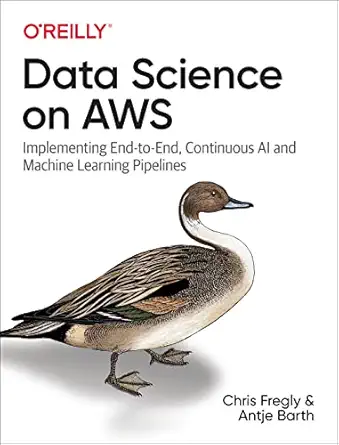 | Best Overall for Enterprise-Scale AI Pipelines | Author: Data Science on AWS | Format: Print and digital | Focus: End-to-end AI pipelines | VIEW LATEST PRICE | See Our Full Breakdown |
| AI-Powered Analyst: Mastering Data with SQL, Google Workspace & AI Tools |  | Best Value for Practical Data Analysis Skills | Author: AI-Powered Analyst | Format: Print | Focus: Data analysis workflows | VIEW LATEST PRICE | See Our Full Breakdown |
| SQL with AI: A Complete Beginner’s Guide to SQL, Databases, Data Analysis, and AI-Powered Querying |  | Best for Beginners Entering AI-Enhanced Data Analysis | Author: B0H1ZXYGMY | Format: Print | Focus: SQL, databases, AI querying | VIEW LATEST PRICE | See Our Full Breakdown |
| AI-Powered Data Workflows: From Raw Data to Actionable Insights (AI & Automation for Professionals Series Book 3) |  | Best for Automation-Focused Data Professionals | Author: B0H2HGD8QZ | Format: Print | Focus: Data workflow automation, Python, AI | VIEW LATEST PRICE | See Our Full Breakdown |
| Mastering Tableau 2026: Advanced Data Visualizations, BI Techniques & AI Analytics |  | Best for Visual Analytics and BI Enhancement | Author: Mastering Tableau | Edition: 2026 | Format: Print | VIEW LATEST PRICE | See Our Full Breakdown |
| AI-Powered Business Intelligence: Improving Forecasts and Decision Making with Machine Learning |  | Best for Strategic Decision Makers | Subject Focus: Business forecasting and decision making | Target Audience: Managers and data analysts | Approach: Theoretical with practical insights | VIEW LATEST PRICE | See Our Full Breakdown |
| Ultimate Excel with Power Query and ChatGPT: Master Dynamic Lookup Functions, Generative AI, Data Navigation, Automation — Excel & Power Platform |  | Best for Power Users and Data Analysts | Subject Focus: Excel automation and AI integration | Target Audience: Power users and data analysts | Approach: Technical tutorials and strategies | VIEW LATEST PRICE | See Our Full Breakdown |
| Machine Learning for Emotion Analysis in Python: Build AI-powered tools for analyzing emotion using natural language processing and machine learning |  | Best for Technical Practitioners in NLP and Emotion Detection | Subject Focus: Emotion analysis and NLP with Python | Target Audience: Developers and NLP specialists | Approach: Hands-on projects and technical tutorials | VIEW LATEST PRICE | See Our Full Breakdown |
| AI for Data Analytics: Applying Machine Learning and Generative AI for Better Decisions | 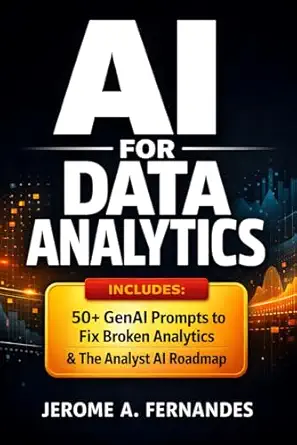 | Best for Data Analysts and Industry Professionals | Subject Focus: Machine learning and generative AI in Data Analytics | Target Audience: Data analysts and industry professionals | Approach: Practical implementation guides | VIEW LATEST PRICE | See Our Full Breakdown |
More Details on Our Top Picks
Data Science on AWS: Implementing End-to-End, Continuous AI and Machine Learning Pipelines
This comprehensive guide stands out for its focus on deploying scalable, end-to-end AI and machine learning pipelines within AWS, making it ideal for large organizations aiming for continuous integration of AI workflows. Unlike smaller-scale tools, it emphasizes infrastructure and automation, which can be complex but essential for enterprise adoption. The book provides detailed guidance on building robust pipelines, yet it assumes familiarity with AWS services and cloud architecture, which could be a hurdle for newcomers. Compared to simpler tools like AI-Powered Analyst, this is more technical but offers greater control over complex data workflows. The tradeoff is that it demands a higher learning curve and prior cloud experience, making it less suitable for individual analysts or small teams.
Pros:- Provides detailed, step-by-step guidance for building scalable AI pipelines
- Focuses on automation and continuous deployment, ideal for enterprise needs
- Deep integration with AWS services ensures robust, cloud-native solutions
Cons:- High complexity makes it less accessible for beginners
- Requires prior knowledge of AWS and cloud infrastructure
Best for: Data teams in large enterprises seeking to automate scalable, continuous AI/ML workflows
Not ideal for: Small startups or individual analysts without cloud infrastructure experience
- Author:Data Science on AWS
- Format:Print and digital
- Focus:End-to-end AI pipelines
- Intended Audience:Advanced data professionals, enterprise teams
- Coverage:AWS cloud services, automation, ML pipelines
- Prerequisites:Cloud knowledge, programming skills
Bottom line: This book is best suited for enterprise data teams aiming to implement scalable, automated AI pipelines on AWS.
AI-Powered Analyst: Mastering Data with SQL, Google Workspace & AI Tools
This guide makes a compelling case for analysts seeking practical, hands-on skills in integrating AI with everyday tools like SQL and Google Workspace. It excels at translating modern AI workflows into accessible techniques, unlike the more technical Data Science on AWS, which focuses on infrastructure. While it offers clear, no-fluff advice on using AI to improve data analysis, it may fall short for advanced users who need deeper case studies or complex modeling examples. Its emphasis on practical workflows makes it ideal for those new to AI-enhanced analysis or small teams needing quick results, but it might not satisfy seasoned data scientists seeking advanced techniques. The limited focus on in-depth case studies is a tradeoff for straightforward applicability.
Pros:- Focuses on integrating AI with SQL and Google Workspace for practical workflows
- Provides straightforward, actionable techniques suitable for quick implementation
- Covers essential AI tools without overwhelming technical details
Cons:- Lacks depth for complex or large-scale analysis projects
- No detailed case studies or real-world examples for advanced users
Best for: Data analysts and small teams looking to quickly improve their workflows with AI and common productivity tools
Not ideal for: Advanced data scientists needing in-depth technical or case-based insights
- Author:AI-Powered Analyst
- Format:Print
- Focus:Data analysis workflows
- Intended Audience:Data analysts, small teams, business users
- Coverage:SQL, Google Workspace, AI tools
- Prerequisites:Basic understanding of SQL and Google tools
Bottom line: This book is ideal for analysts and small teams wanting accessible, practical AI-powered workflows without complex technical hurdles.
SQL with AI: A Complete Beginner’s Guide to SQL, Databases, Data Analysis, and AI-Powered Querying
This beginner-friendly guide excels at introducing core SQL and database concepts alongside AI-powered querying methods, making it a suitable entry point for newcomers. Compared with AI-Powered Analyst, which assumes some familiarity with workflows, this book prioritizes foundational understanding, though it doesn’t delve deeply into advanced topics. Its focus on AI-assisted querying helps demystify complex data operations for novices, but it may lack sufficient detail for those seeking mastery or advanced techniques. The absence of extensive real-world case studies means learners might struggle to see immediate practical applications beyond basic examples. Still, it provides a solid start for those new to data analysis and AI integration.
Pros:- Clear, accessible introduction to SQL and database concepts
- Includes AI-powered querying techniques suitable for beginners
- Combines traditional and modern data analysis methods
Cons:- Lacks depth for advanced SQL users or complex analysis
- AI examples are simplified without real-world case studies
Best for: Beginners in data analysis and AI who want to learn SQL and database fundamentals
Not ideal for: Experienced data professionals seeking advanced analytics or complex AI integrations
- Author:B0H1ZXYGMY
- Format:Print
- Focus:SQL, databases, AI querying
- Intended Audience:Beginners, students, entry-level analysts
- Coverage:SQL fundamentals, AI integration
- Prerequisites:No prior experience needed
Bottom line: This guide is perfect for newcomers wanting a gentle, comprehensive introduction to SQL and AI-driven data querying.
AI-Powered Data Workflows: From Raw Data to Actionable Insights (AI & Automation for Professionals Series Book 3)
This book makes a strong case for automating data workflows using Python and AI, especially for professionals aiming to scale their data operations. Compared with Data Science on AWS, which emphasizes infrastructure, this pick concentrates on practical automation techniques for data cleaning, analysis, and reporting. It assumes familiarity with Python, which might exclude complete beginners but ensures detailed, actionable guidance for those with some programming background. The focus on transforming raw data into business insights makes it highly applicable for analytics teams seeking efficiency gains, though its technical depth may overwhelm absolute novices. It bridges the gap between coding and business impact effectively, but requires prior Python knowledge.
Pros:- Detailed coverage of automating entire data workflows with Python and AI
- Focuses on actionable insights for business decision-making
- Part of a structured professional series on AI and automation
Cons:- Requires prior Python programming knowledge
- May be too complex for absolute beginners
Best for: Data analysts and engineers with Python experience looking to automate and streamline workflows
Not ideal for: Beginners with no coding background or small teams needing quick, non-technical solutions
- Author:B0H2HGD8QZ
- Format:Print
- Focus:Data workflow automation, Python, AI
- Intended Audience:Data engineers, analysts with programming background
- Coverage:Data cleaning, analysis, reporting automation
- Prerequisites:Python programming skills
Bottom line: This book is best suited for professionals with Python skills seeking to automate data processes and generate actionable insights efficiently.
Mastering Tableau 2026: Advanced Data Visualizations, BI Techniques & AI Analytics
This comprehensive guide targets professionals looking to elevate their data visualization skills with Tableau, especially through AI integration. Compared to Data Science on AWS or AI-Powered Analyst, which focus more on backend processes, this book emphasizes creating compelling visual stories and BI strategies. The 2026 edition introduces newer AI-powered features, but its value may diminish if newer Tableau updates are released soon after purchase. While it covers advanced visualization techniques and analytics, it lacks practical case studies demonstrating real-world application, which might be limiting for those seeking immediate business impact. Nonetheless, it is a valuable resource for those aiming to combine aesthetic presentation with AI-driven insights.
Pros:- In-depth coverage of advanced visualization techniques
- Incorporates AI-powered analytics features into Tableau workflows
- Focus on BI strategies enhances decision-making capabilities
Cons:- Potentially outdated if newer Tableau versions are released after purchase
- No detailed real-world case studies included
Best for: BI analysts and data visualization specialists seeking advanced Tableau skills with AI capabilities
Not ideal for: Beginners or those seeking general data analysis without a focus on visualization or BI
- Author:Mastering Tableau
- Edition:2026
- Format:Print
- Focus:Advanced visualizations, BI, AI analytics
- Intended Audience:BI analysts, data visualization experts
- Coverage:Tableau features, AI integrations, BI strategies
Bottom line: This book suits professionals aiming to deepen their Tableau expertise with advanced, AI-enhanced visualization and BI techniques.
AI-Powered Business Intelligence: Improving Forecasts and Decision Making with Machine Learning
This book stands out for its focus on how AI and machine learning can transform business forecasting and decision-making processes. Compared with other tools like AI for Data Analytics, it provides a deeper dive into advanced AI techniques specifically tailored for corporate strategy, though it leans heavily on theoretical frameworks with limited real-world case studies. Its strength lies in translating complex algorithms into actionable insights, making it ideal for managers aiming to incorporate AI into their planning. The main tradeoff is that it presumes a solid understanding of machine learning concepts, which could be a barrier for beginners. Overall, this pick makes the most sense for data analysts and executives seeking a strategic guide to AI-driven forecasting.
Pros:- Deep coverage of advanced AI techniques for forecasting
- Provides actionable insights for decision support
- Focuses on improving prediction accuracy in business contexts
Cons:- Requires prior understanding of machine learning fundamentals
- Limited inclusion of real-world case studies
Best for: Business strategists and data analysts aiming to enhance forecast accuracy using AI techniques
Not ideal for: Beginners in AI and data science, as it assumes prior knowledge of machine learning concepts
- Subject Focus:Business forecasting and decision making
- Target Audience:Managers and data analysts
- Approach:Theoretical with practical insights
- Prerequisites:Basic understanding of AI and machine learning
- Content Depth:Advanced techniques
- Case Studies:Limited
- Format:Book
- Publication Date:2023
Bottom line: This book is ideal for experienced professionals seeking to deepen their AI knowledge for strategic forecasting.
Ultimate Excel with Power Query and ChatGPT: Master Dynamic Lookup Functions, Generative AI, Data Navigation, Automation — Excel & Power Platform
This guide makes a compelling case for leveraging Excel’s latest features combined with ChatGPT integration, especially for users familiar with data navigation and automation. Compared to AI for Data Analytics, it emphasizes hands-on techniques within a familiar platform, making it easier for those already comfortable with Excel to implement AI-driven workflows. Its strength is in teaching dynamic lookup functions and automation strategies that significantly reduce manual effort, though the title’s breadth might overwhelm beginners. No practical exercises are included, which could hinder learning for new users. This pick is best suited for data analysts and Excel power users who want to integrate AI seamlessly into their existing tools.
Pros:- Comprehensive coverage of advanced Excel functions
- Integrates ChatGPT to facilitate natural language data queries
- Focus on automation with Power Query and Power Platform
Cons:- Overwhelming for beginners due to technical complexity
- Lacks practical exercises or real-world case studies
Best for: Excel users seeking to automate data analysis and enhance productivity with AI features
Not ideal for: Complete beginners in Excel or AI tools, given the complexity and technical depth
- Subject Focus:Excel automation and AI integration
- Target Audience:Power users and data analysts
- Approach:Technical tutorials and strategies
- Prerequisites:Proficiency in Excel and basic AI concepts
- Content Depth:Advanced
- Case Studies:None
- Format:Book
- Publication Date:2023
Bottom line: This guide is perfect for experienced Excel users eager to incorporate AI-driven automation and advanced data techniques.
Machine Learning for Emotion Analysis in Python: Build AI-powered tools for analyzing emotion using natural language processing and machine learning
This book excels at guiding readers through building emotion analysis tools with Python, focusing on practical NLP and machine learning applications. Unlike AI for Data Analytics, which covers broader analytics techniques, this title zeroes in on emotion detection, making it highly relevant for developers and researchers in sentiment analysis. Its hands-on projects help translate theory into real tools, but the technical prerequisites are high, potentially excluding beginners. The limited focus on non-technical implementation details might leave some readers seeking broader context feeling underwhelmed. It’s best suited for programmers and data scientists working on emotion recognition or sentiment analysis projects.
Pros:- Practical Python projects for emotion analysis
- In-depth coverage of NLP techniques
- Combines theoretical background with hands-on implementation
Cons:- Requires prior programming and ML knowledge
- Limited focus on broader industry applications
Best for: Developers and NLP practitioners interested in building emotion analysis applications
Not ideal for: Non-technical users or those seeking a broad overview of AI in data analysis
- Subject Focus:Emotion analysis and NLP with Python
- Target Audience:Developers and NLP specialists
- Approach:Hands-on projects and technical tutorials
- Prerequisites:Python programming and basic ML knowledge
- Content Depth:Technical and applied
- Case Studies:Limited
- Format:Book
- Publication Date:2022
Bottom line: This book is ideal for technical professionals aiming to develop emotion detection tools with Python, but less suitable for non-programmers.
AI for Data Analytics: Applying Machine Learning and Generative AI for Better Decisions
This book provides a broad overview of how machine learning and generative AI can be harnessed to enhance data analytics across various industries. Unlike AI-Powered Business Intelligence, which emphasizes forecasting, this title focuses on practical applications in real-world data challenges, making it a versatile resource for industry professionals. Its practical approach to implementing AI techniques is valuable, but it assumes familiarity with fundamental data analytics concepts, which can be a hurdle for newcomers. The absence of detailed industry-specific case studies limits its applicability for those seeking concrete examples. It’s best suited for data analysts and decision-makers interested in applying AI tools to solve complex data problems.
Pros:- Covers both machine learning and generative AI applications
- Practical guidance for real-world data problems
- Suitable for industry professionals seeking broad AI integration
Cons:- Assumes prior knowledge of data analytics concepts
- Lacks detailed case studies for specific industries
Best for: Data analysts and industry professionals looking to implement machine learning and generative AI in their workflows
Not ideal for: Beginners in data analytics or those seeking detailed case studies and industry-specific examples
- Subject Focus:Machine learning and generative AI in Data Analytics
- Target Audience:Data analysts and industry professionals
- Approach:Practical implementation guides
- Prerequisites:Basic data analytics knowledge
- Content Depth:Moderate to advanced
- Case Studies:Limited
- Format:Book
- Publication Date:2023
Bottom line: This book is well-suited for practitioners wanting a practical guide to applying AI techniques across various data challenges, assuming some prior experience.

How We Picked
The selection process focused on evaluating how well each tool integrates AI capabilities into the data analysis workflow, considering ease of use, scalability, and depth of insights. We prioritized tools that support automation, advanced analytics, and user-friendly interfaces, while also assessing their suitability for different user skill levels. Cost-effectiveness and flexibility were key factors, along with the ability to handle real-world data complexity. The ranking reflects a balance between technical power and accessibility, ensuring options for beginners and experts alike.Factors to Consider When Choosing AI-powered Data Analysis Tools
Choosing the right AI-powered data analysis tool depends on your specific needs, skill level, and budget. Not all tools are created equal—some excel in automation, others in advanced modeling, and some in ease of use. Understanding these factors will help you avoid common pitfalls, like overpaying for features you won’t use or selecting a platform that’s too complex for your team’s skills. Consider the following criteria carefully before making a decision.Scalability and Performance
Evaluate whether the tool can handle your current data volume and growth plans. Large organizations need solutions that support big data and distributed computing, like Data Science on AWS. Smaller teams or those just starting out should prioritize platforms that perform well with limited data but can scale as needed, avoiding over-investment in unnecessary power.
Ease of Use and Learning Curve
Consider your team’s technical expertise. Tools like Excel with ChatGPT are designed for non-technical users, providing familiar interfaces with added AI capabilities. More advanced solutions, like machine learning pipelines, require specialized knowledge and training. Picking a tool that aligns with your team’s skills reduces onboarding time and accelerates value realization.
Integration and Compatibility
Check how well the tool connects with your existing data sources, platforms, and workflows. Seamless integration minimizes manual data transfers and reduces errors. For example, Tableau integrates smoothly with many data sources for visualization, while some AI-focused platforms may need custom connectors or APIs.
Cost and Total Cost of Ownership
Pricing models vary from subscription-based to usage-based or enterprise licenses. Factor in not only initial costs but also ongoing maintenance, training, and support. Higher-priced tools often offer more features and support, but for smaller teams or startups, more affordable options may suffice—just ensure they meet your core needs.
Level of AI Sophistication
Decide how advanced your AI needs are. Basic automation and pattern detection might be enough for routine analyses, while predictive modeling or natural language processing require more sophisticated tools. Over-investing in complex AI can be counterproductive if your team lacks the expertise, so match the AI complexity to your technical capacity.
Frequently Asked Questions
Can I switch between these tools if my needs change?
Many of these platforms offer integration options or support exporting data for use in other tools, but switching isn’t always seamless. Consider the data formats, APIs, and compatibility features before committing, especially if you anticipate scaling or changing workflows. A flexible, modular approach can make future transitions easier and reduce long-term costs.
Which tool is best for organizations new to AI data analysis?
For beginners, platforms like Ultimate Excel with Power Query and ChatGPT are ideal due to their familiar interface and straightforward AI features. They allow teams to start integrating AI without extensive training, making them accessible entry points. However, they may lack advanced modeling capabilities needed for complex analysis, so plan for future upgrades as skills grow.
Are these tools suitable for real-time data analysis?
Some options, like Data Science on AWS, support real-time processing and continuous pipelines, which are crucial for live decision-making. Others are better suited for batch analysis or periodic reporting. Clarify your real-time needs upfront, as not all tools are optimized for instant data updates, and some may require additional setup.
How much technical expertise is required to operate these tools effectively?
The level varies significantly. Basic tools like Excel + ChatGPT demand minimal programming skills, while advanced platforms for machine learning pipelines or emotion analysis in Python require substantial technical knowledge. Assess your team’s skills and consider training or hiring if you choose more complex options to maximize value.
What are the common pitfalls when selecting an AI-powered data analysis tool?
One common mistake is choosing a platform that’s either too simple or overly complex for your needs, leading to underutilization or frustration. Another is ignoring integration capabilities, which can cause data silos. Additionally, overlooking total costs—including training and maintenance—can result in unexpected expenses. Carefully match the tool’s features with your organizational goals and skills.
Conclusion
For organizations seeking a comprehensive, scalable solution that balances power and usability, AI-Powered Business Intelligence makes the best overall choice. Startups or smaller teams prioritizing ease of use should consider Ultimate Excel with Power Query and ChatGPT. Large enterprises with sophisticated data needs might lean toward Data Science on AWS or specialized tools like emotion analysis in Python. Beginners just starting with AI-enhanced analysis will find value in accessible platforms, while data teams requiring deep insights should look for solutions offering advanced modeling and automation. Tailor your choice to your technical capacity, budget, and strategic goals to get the most from AI-powered data analysis.