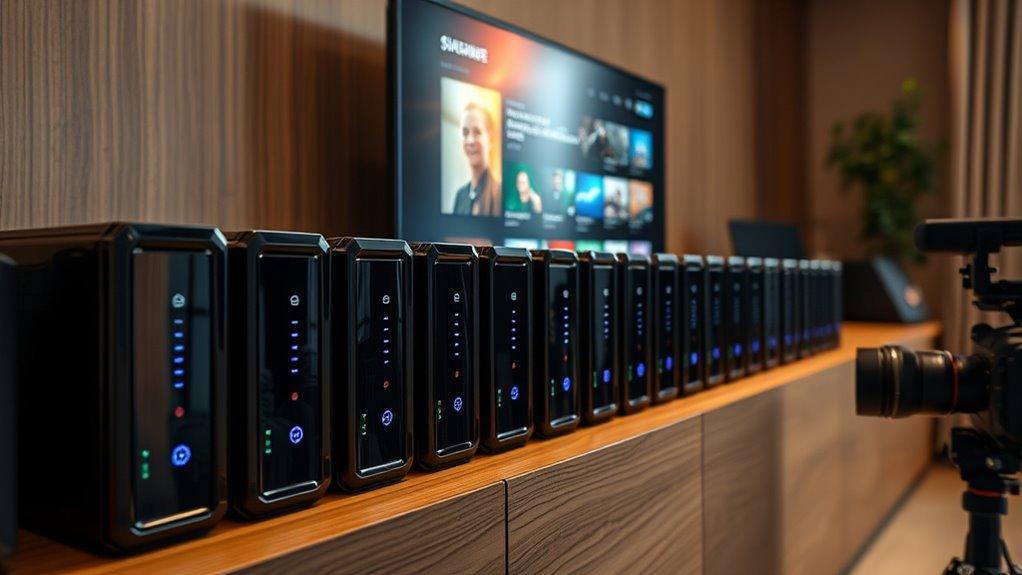

If you’re setting up a Plex media server, choosing the right NAS drive can make all the difference in streaming performance and reliability. The best overall pick for Plex in 2026 is the UGREEN NAS DXP4800 Plus, thanks to its robust hardware and 10GbE connectivity. For those seeking a more budget-friendly option, the Synology DS225+ offers a user-friendly experience with solid performance. The main tradeoffs in this category often involve balancing storage capacity, processing power, and ease of setup. Keep reading for a detailed breakdown of these top NAS drives and what makes each one stand out.

Get business pricing on tech for your team
- Business-only prices and quantity discounts
- Tax-exempt purchasing
- Multiple users, one account, clear invoices
Key Takeaways
- High-performance NAS options like the UGREEN DXP4800 Plus excel in streaming 4K content seamlessly, but come at a higher price point.
- Two-bay models like the Synology DS225+ offer a great balance of simplicity and expansion but may lack the raw power of larger, more expensive systems.
- Dual 10GbE ports on select models give a significant speed advantage, especially for multi-user Plex streaming scenarios.
- Diskless configurations provide flexibility but require buyers to select and install their own drives, which can be a hassle for beginners.
- Build quality and expandability vary widely; investing in a trusted brand can save headaches down the line.
| UGREEN NAS DXP4800 Plus 4-Bay NAS with Intel Pentium Gold 8505, 8GB DDR5 RAM, 128GB SSD, 10GbE, 4K HDMI, Diskless |  | Best Overall for Power Users and Small Offices | Digital Storage Capacity: 144 TB | Processor: Intel Pentium Gold 8505 5-Core | RAM: 8GB DDR5 | VIEW ON AMAZON | See Our Full Breakdown |
| TerraMaster F4-425 Pro 4-Bay Diskless NAS with Intel N305, 8GB RAM and Dual 5GbE |  | Best for Advanced Media and Virtualization | Drive Bays: 4 | Processor: Intel N305 8-core | Memory: 8GB | VIEW ON AMAZON | See Our Full Breakdown |
| ZimaBlade 7700 x86 Home Server and 2-Bay NAS Kit with 16GB RAM |  | Best for DIY Enthusiasts and Linux Users | Processor: Intel quad-core x86 | Memory: 16GB RAM | Drive Bays: 2 | VIEW ON AMAZON | See Our Full Breakdown |
| UGREEN NAS DXP2800 2-Bay Network Attached Storage for Content Creators |  | Best for Content Creators Needing Simple Storage | Processor: Intel N100 Quad-Core | RAM: 8GB DDR5 | Network: 2.5GbE | VIEW ON AMAZON | See Our Full Breakdown |
| UGREEN NAS DH2300 2-Bay Desktop NAS Support Capacity 64TB Diskless |  | Best for Beginners and Personal Use | Support Capacity: 64TB | Number of Bays: 2 | RAM: 4GB | VIEW ON AMAZON | See Our Full Breakdown |
| Synology DS225+ Private Cloud Media Server – 2-Bay Diskless NAS with Intel CPU |  | Best Overall for Small-Scale Media and Surveillance | Storage Bays: 2-Bay | Processor: Intel CPU | Transfer Speed: 282 MB/s | VIEW ON AMAZON | See Our Full Breakdown |
| TERRAMASTER F2-425 2-Bay Diskless NAS Storage |  | Best Value for Quiet, Compact 4K Media and File Sharing | Processor: Intel x86 quad-core CPU | Memory: 4GB RAM | Drive Bays: 2 | VIEW ON AMAZON | See Our Full Breakdown |
| UGREEN NASync DXP4800 GT 4-Bay Desktop NAS with AMD Ryzen R2514, 8GB RAM and Dual 10GbE |  | Best for High-Performance Multi-User Environments and Heavy Workloads | Processor: AMD Ryzen Embedded R2514 | CPU Cores/Threads: 4 cores, 8 threads | Maximum CPU Speed: 3.70GHz | VIEW ON AMAZON | See Our Full Breakdown |
| nas drives for plex | Processor | Drive Bays | Memory |
|---|---|---|---|
| UGREEN NAS DXP4800 Plus 4-Bay | Intel Pentium Gold 8505 5-Core | — | — |
| TerraMaster F4-425 Pro 4-Bay D | Intel N305 8-core | 4 | 8GB |
| ZimaBlade 7700 x86 Home Server | Intel quad-core x86 | 2 | 16GB RAM |
| UGREEN NAS DXP2800 2-Bay Netwo | Intel N100 Quad-Core | — | — |
| UGREEN NAS DH2300 2-Bay Deskto | — | — | — |
| Synology DS225+ Private Cloud | Intel CPU | — | — |
| TERRAMASTER F2-425 2-Bay Diskl | Intel x86 quad-core CPU | 2 | 4GB RAM |
| UGREEN NASync DXP4800 GT 4-Bay | AMD Ryzen Embedded R2514 | 4 SATA | 8GB DDR4, expandable to 64GB |
More Details on Our Top Picks
UGREEN NAS DXP4800 Plus 4-Bay NAS with Intel Pentium Gold 8505, 8GB DDR5 RAM, 128GB SSD, 10GbE, 4K HDMI, Diskless
The UGREEN NAS DXP4800 Plus stands out for its high-performance Intel Pentium Gold processor and 8GB DDR5 RAM, making it ideal for multitasking, virtualization, and media streaming. Compared with the TerraMaster F4-425 Pro, it offers faster data transfer with 10GbE and HDMI outputs for media, but it requires users to purchase drives separately, which adds to the initial cost. Its wired-only network limits flexibility, but for those prioritizing raw power and multimedia capabilities, this NAS offers a compelling package. It’s less suited for beginners or those seeking Wi-Fi support or an all-in-one solution without additional drive investment.
Pros:- High-performance Intel Pentium Gold processor for multitasking and virtualization
- Supports 10GbE and HDMI for fast data transfer and media streaming
- Flexible connectivity options including HDMI for media output
- Centralized storage with RAID for data security
Cons:- Hard drives not included, increasing setup cost
- Limited to wired Ethernet, no Wi-Fi support
- Speed may vary depending on network infrastructure
Best for: Small office teams or power users who want fast, reliable multitasking and media streaming capabilities.
Not ideal for: Home users seeking Wi-Fi connectivity or a plug-and-play setup with included drives.
- Digital Storage Capacity:144 TB
- Processor:Intel Pentium Gold 8505 5-Core
- RAM:8GB DDR5
- Network Ports:1x 10GbE, 1x 2.5GbE
- Built-in Storage:128GB SSD
- Supported Uses:Business, Office, Multimedia, Home, Personal
Our verdict“This NAS is best suited for users needing robust performance and multimedia features with a higher budget for drives and setup complexity.”
TerraMaster F4-425 Pro 4-Bay Diskless NAS with Intel N305, 8GB RAM and Dual 5GbE
The TerraMaster F4-425 Pro makes a strong case for users who want a powerful, flexible NAS for media, AI, and virtualization. Its 8-core Intel N305 processor and 8GB RAM support demanding tasks, outperforming simpler options like the UGREEN NAS DXP2800. Dual 5GbE ports and three NVMe slots enable fast caching and network throughput, but the diskless design means additional drive purchases, which could be a barrier for some. Its complex virtualization features and RAID support cater to tech-savvy users, but beginners may find the setup daunting and unnecessary for basic Plex streaming.
Pros:- Powerful 8-core processor with 8GB RAM for multitasking
- Dual 5GbE ports and NVMe slots for high-speed caching
- Supports Plex, Docker, virtual machines, and extensive RAID configurations
- Advanced backup and ransomware protection
Cons:- Requires purchasing drives separately, increasing initial cost
- Complex setup with advanced networking and virtualization features
- May be overkill for simple media streaming needs
Best for: Tech-savvy users or small businesses needing advanced media processing, virtualization, and extensive RAID options.
Not ideal for: Casual home users or beginners who prefer ready-to-use, plug-and-play systems without complex features.
- Drive Bays:4
- Processor:Intel N305 8-core
- Memory:8GB
- Network:2 × 5GbE LAN
- Maximum Speed:Up to 1020 MB/s
- RAID Support:RAID 0, 1, 5, 6, 10
Our verdict“Ideal for experienced users seeking a versatile, high-performance NAS capable of hosting multiple services and virtual environments.”
ZimaBlade 7700 x86 Home Server and 2-Bay NAS Kit with 16GB RAM
The ZimaBlade 7700 appeals to those comfortable with assembling and customizing their NAS. Its x86 architecture, 16GB RAM, and preinstalled CasaOS make it flexible and capable of running Plex 4K direct play, Linux-based apps, and home automation projects. Compared with all-in-one solutions like UGREEN’s DXP series, it offers greater control and expandability via PCIe, but this comes at the cost of assembly and complexity. It’s not suited for users seeking a simple, out-of-the-box media server, especially since storage drives are not included and setup requires technical skills.
Pros:- x86 architecture with Linux and Docker support for flexibility
- 16GB RAM supports multiple lightweight services
- PCIe x4 slot for expansion of network or storage options
- Preinstalled CasaOS simplifies initial setup
Cons:- Requires assembly and technical knowledge
- Storage drives are not included, adding to cost
- Limited to direct 4K play, not heavy transcoding
Best for: DIYers, Linux enthusiasts, and users wanting a customizable, self-hosted platform for media and home automation.
Not ideal for: Beginners or those preferring plug-and-play NAS with minimal setup or preinstalled drives.
- Processor:Intel quad-core x86
- Memory:16GB RAM
- Drive Bays:2
- Expansion Slot:PCIe x4
- Included Components:Power supply, 16GB RAM, metal cage
- Supported Media:4K direct play
Our verdict“Best suited for tech-savvy users seeking a highly customizable, self-built NAS for media and home automation projects.”
UGREEN NAS DXP2800 2-Bay Network Attached Storage for Content Creators
The UGREEN NAS DXP2800 offers an accessible entry point for content creators who need large storage capacity and easy media sharing. Its 8GB DDR5 RAM and Intel N100 CPU provide sufficient power for file management and media streaming, including 4K output via HDMI. Compared to the larger DXP4800, this model is simpler and more affordable for small-scale setups, but its 2-bay design limits expandability. It’s ideal for those prioritizing straightforward setup and media organization over advanced virtualization or enterprise features.
Pros:- High storage capacity up to 80TB for media libraries
- User-friendly setup with AI photo organization
- Supports 4K HDMI output for media viewing
- Compact and designed for ease of use
Cons:- Limited to 2 bays, restricting future expansion
- Requires initial configuration and setup
- No included drives, additional purchase needed
Best for: Content creators or hobbyists looking for a user-friendly, high-capacity storage solution with media output capabilities.
Not ideal for: Power users or IT professionals needing extensive virtualization, RAID, or multi-user access with advanced features.
- Processor:Intel N100 Quad-Core
- RAM:8GB DDR5
- Network:2.5GbE
- Storage Slots:2 x M.2 NVMe
- Maximum Storage Capacity:80TB
- Connectivity:4K HDMI
Our verdict“This NAS is best for content creators seeking large storage and simple media sharing without complex features or enterprise needs.”
UGREEN NAS DH2300 2-Bay Desktop NAS Support Capacity 64TB Diskless
The UGREEN NAS DH2300 is a straightforward choice for users new to NAS, offering up to 64TB capacity and a simple, secure interface. Its 4GB high-performance processor and 1GbE connection make it suitable for basic backups, media storage, and photo organization, especially with AI features. Compared with the more advanced DXP series, it’s less feature-rich but easier for beginners to set up and operate. It avoids complexity like virtualization or Docker support, focusing instead on essential storage tasks. This makes it less ideal for power users or those needing advanced multi-service environments.
Pros:- Simple setup with user-friendly interface
- Supports large capacity up to 64TB
- Fast file transfer speeds and AI photo organization
- Strong security features including RAID and encryption
Cons:- No Wi-Fi support; wired Ethernet required
- Limited to basic storage functions, no virtualization
- No drives included, additional purchase needed
Best for: Home users or beginners wanting a reliable, easy-to-use NAS for personal storage and backups.
Not ideal for: Experienced users or those needing virtualization, Docker, or multi-user enterprise features.
- Support Capacity:64TB
- Number of Bays:2
- RAM:4GB
- Network Interface:1GbE
- Video Output:4K HDMI
- Power:Minimal power consumption
Our verdict“This NAS is perfect for beginners looking for reliable, secure storage for personal files without extra complexity.”
Synology DS225+ Private Cloud Media Server – 2-Bay Diskless NAS with Intel CPU
The Synology DS225+ stands out as an all-around capable choice for those seeking reliable personal cloud storage combined with media streaming and surveillance support. Its support for 4K media playback and AI-driven surveillance distinguishes it from simpler NAS options like the TERRAMASTER F2-425, which lacks built-in surveillance features. The DS225+ offers RAID redundancy for data protection, but being diskless means you must invest in drives separately, adding to the initial cost. Its hardware is solid, with a 3-year warranty, yet the limited 2-bay capacity might fall short for users with larger storage needs or those wanting more flexibility. The setup complexity can be a hurdle for less technical users. Compared to the UGREEN NASync DXP4800 GT, it offers less raw power and expansion options but excels in ease of use and reliability for small-scale setups.
Pros:- Supports 4K media streaming and personal cloud storage
- Automated backups and RAID redundancy for data security
- Includes surveillance with AI detection and remote monitoring
- Reliable hardware backed by a 3-year warranty
Cons:- Requires purchasing drives separately, increasing initial cost
- Limited to 2 bays, restricting future expansion
- Advanced features may require technical setup
Best for: Small businesses or tech-savvy home users wanting reliable, multi-purpose storage with surveillance capabilities
Not ideal for: Users needing extensive storage capacity or high-performance multi-user workloads, as its 2-bay design and modest specs limit scalability
- Storage Bays:2-Bay
- Processor:Intel CPU
- Transfer Speed:282 MB/s
- Surveillance Support:Up to 30 IP cameras
- Warranty:3 years
Our verdict“This NAS is best suited for small-scale media, backup, and surveillance needs in a compact, reliable package.”
TERRAMASTER F2-425 2-Bay Diskless NAS Storage
The TERRAMASTER F2-425 offers a compelling balance of speed, quiet operation, and multimedia support, making it ideal for home media and small office use. Its 2.5GbE networking and quad-core Intel CPU deliver faster data transfer than basic 1GbE models like the Synology DS225+, which is beneficial for streaming multiple 4K videos or handling large backups. The unit’s quiet 19dB noise level and tool-free drive installation add user convenience, but it’s still diskless, so you’ll need to budget for drives separately. While its 2-bay design limits scalability, the ability to support up to 60TB makes it suitable for users with moderate storage needs. Compared to the UGREEN NASync DXP4800 GT, it offers less raw power and fewer advanced features, but its simplicity and quiet operation make it attractive for dedicated media rooms or small offices.
Pros:- Fast 2.5GbE network speed and hardware-level 4K decoding
- Quiet operation at 19dB and tool-free drive trays
- Supports multiple streaming platforms and cloud services
- Easy drive installation for quick setup
Cons:- Hard drives are sold separately, increasing upfront costs
- Limited to two bays, restricting future capacity expansion
- Basic feature set compared to higher-end models
Best for: Home users or small offices requiring a quiet, fast, and easy-to-maintain NAS for media streaming and backups
Not ideal for: Power users or large-scale data environments needing extensive expansion or high-end virtual machine support
- Processor:Intel x86 quad-core CPU
- Memory:4GB RAM
- Drive Bays:2
- Maximum Storage:60TB (2 x 30TB)
- Network:2.5GbE LAN
- Video Decoding:Hardware-level 4K H.265
Our verdict“This NAS makes sense for users prioritizing quiet media streaming and simple backups without needing large-scale expansion.”
UGREEN NASync DXP4800 GT 4-Bay Desktop NAS with AMD Ryzen R2514, 8GB RAM and Dual 10GbE
The UGREEN NASync DXP4800 GT is designed for demanding users who need extensive storage and high-speed networking. Its AMD Ryzen R2514 processor, combined with 8GB RAM (expandable), supports multi-user workloads, virtualization via Docker, and complex media tasks. The dual 10GbE ports enable rapid data transfer and link aggregation, outperforming the TERRAMASTER F2-425 in raw bandwidth. Its 4 bays support up to 144TB total capacity, suitable for media servers, backups, and surveillance. However, drives and SSDs are not included, and manual setup through Docker is required for Plex, making it less user-friendly for those seeking a plug-and-play experience. Still, it is ideal for tech-savvy users who demand maximum flexibility and performance.
Pros:- Powerful AMD Ryzen processor and expandable RAM support demanding multi-user tasks
- Dual 10GbE ports for high-speed data transfer and link aggregation
- Supports extensive storage up to 144TB with multiple drives and NVMe SSDs
- Includes advanced features like Docker, virtual machines, and security options
Cons:- Requires purchasing drives separately, increasing initial investment
- Manual Docker setup needed for Plex, not a ready-to-use solution
- Pre-installed memory is non-ECC, less suitable for mission-critical data
Best for: Power users needing a versatile, expandable, multi-purpose NAS capable of hosting VMs, containers, and large media libraries
Not ideal for: Casual users or small households wanting a simple, all-in-one media or backup solution without complex setup
- Processor:AMD Ryzen Embedded R2514
- CPU Cores/Threads:4 cores, 8 threads
- Maximum CPU Speed:3.70GHz
- Memory:8GB DDR4, expandable to 64GB
- Drive Bays:4 SATA
- Maximum Storage Capacity:144TB
- Networking:Dual 10GbE
- Additional Connectivity:USB-A 10Gbps, USB-C 10Gbps, HDMI
Our verdict“This NAS is best suited for technically proficient users who need maximum performance, expandability, and multi-service capabilities in a single device.”
How We Picked
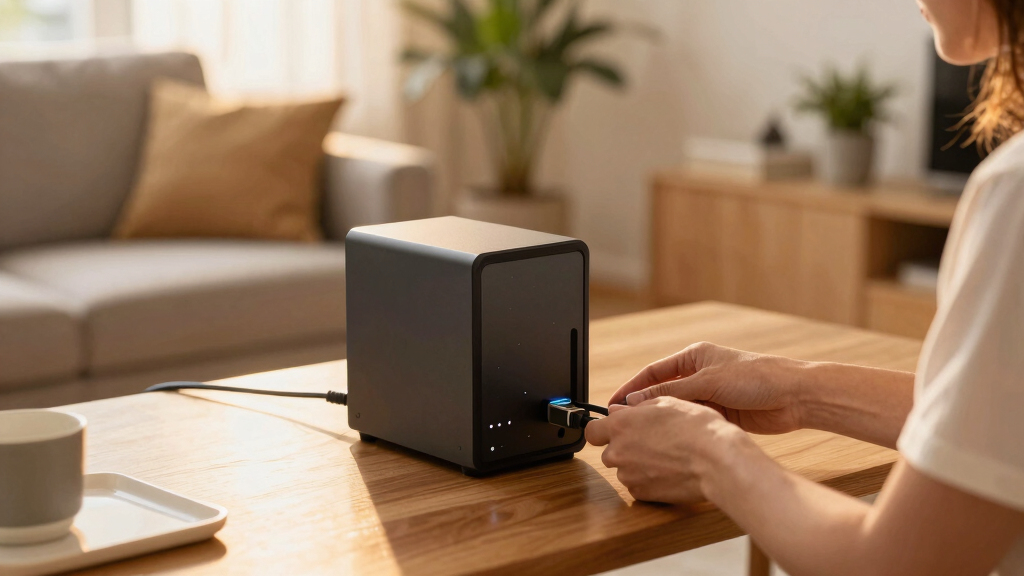
These NAS drives were selected based on their compatibility and performance with Plex, considering factors like hardware power, network connectivity, ease of setup, expandability, and overall value. We prioritized models that offer reliable streaming, fast data transfer speeds, and user-friendly interfaces. Devices with robust hardware specs, such as quad-core CPUs and ample RAM, were ranked higher for their ability to handle multiple simultaneous streams. We also factored in build quality, brand reputation, and customer support to ensure these options are both durable and serviceable in a home media environment.Factors to Consider When Choosing Nas Drives For Plex
When choosing a NAS drive for Plex, several key factors can influence your experience. Beyond raw specs, understanding how each feature impacts streaming quality, setup complexity, and future-proofing can help you make a smarter investment. Balancing performance and budget is often the biggest tradeoff, so knowing what to prioritize is essential to avoid overspending on features you don’t need or missing out on critical capabilities.Processing Power and RAM
The CPU and RAM of your NAS determine how well it can transcode and stream high-quality media. For Plex, a multi-core Intel or AMD processor with at least 4GB of RAM is recommended for smooth 4K transcoding, especially if multiple users will stream simultaneously. Cheaper models with basic processors might struggle with demanding content, leading to buffering or reduced quality. Investing in a more powerful CPU pays off if your media library or user count grows over time.
Network Connectivity
Fast network interfaces like 10GbE ports drastically improve data transfer speeds, reducing buffering during high-bitrate streams. If your network infrastructure supports 10GbE, choosing a NAS with dual 10GbE ports makes a noticeable difference. For typical gigabit networks, a single 1GbE port suffices, but be aware that network bottlenecks can limit Plex performance. Consider your current setup and future expansion plans when evaluating connectivity options.
Storage Capacity and Drive Support
Many users underestimate the importance of future expandability. While a 4-bay NAS allows RAID configurations and redundancy, some models support additional drives or external expansions. Think about your media library size and potential growth. Diskless models give flexibility in choosing the right drives, but also add initial setup effort. Be mindful of drive compatibility and the ease of replacing drives if needed.
Ease of Use and Software Ecosystem
User-friendly interfaces and reliable software support can significantly reduce setup frustration. Brands like Synology and TerraMaster are known for intuitive apps and active communities, which can help resolve issues quickly. For beginners, a system with straightforward setup procedures and comprehensive documentation is worth extra consideration. Advanced users might prefer more customizable options, even if it means a steeper learning curve.
Price and Overall Value
High-end NAS drives with premium features come with a higher price tag but often deliver better performance and longevity. Conversely, budget models can suffice for light streaming but may lack scalability or power under load. Balancing initial costs against long-term use is essential—sometimes investing more upfront can save costs by preventing upgrades or replacements later. Consider your current needs and anticipated growth when evaluating prices.
Frequently Asked Questions
Do I need a NAS with transcoding capabilities for Plex?
Yes, if you plan to stream high-resolution content, especially 4K videos, a NAS with a capable CPU that supports hardware transcoding is highly beneficial. Transcoding allows Plex to convert media on-the-fly to match the streaming device’s capabilities, ensuring smooth playback without buffering. Lower-powered models may struggle here, causing delays and reduced quality, so assessing your media demands is key when choosing a NAS.
Is a 2-bay NAS enough for a Plex server?
For small households or light usage, a 2-bay NAS can be sufficient, especially if you prioritize ease of setup and budget. However, it limits your storage capacity and redundancy options, which could be problematic as your media library expands. Two-bay models are great for beginners or those with modest needs but may require future upgrades if your collection or user count grows.
How important is network speed for Plex performance on a NAS?
Network speed directly influences streaming quality and smoothness. For standard HD content, gigabit Ethernet is typically enough, but for 4K or multiple simultaneous streams, 10GbE or higher significantly improves performance. If your network infrastructure supports higher speeds, choosing a NAS with dual 10GbE ports can future-proof your setup and prevent bottlenecks during demanding playback scenarios.
Should I prioritize CPU or storage capacity when selecting a NAS for Plex?
While ample storage is important, processing power typically has a greater impact on Plex performance, especially if transcoding is required. A powerful CPU ensures the NAS can handle multiple streams and high-definition content efficiently. Storage capacity can be expanded later with additional drives or external solutions, but a weak processor may bottleneck your entire media experience, making CPU a higher priority for most Plex users.
Are diskless NAS drives a good choice for Plex?
Diskless NAS drives offer flexibility to choose your own drives, which can be advantageous for customizing capacity and speed. However, they require some technical know-how during setup and initial drive installation. For beginners or those seeking a hassle-free setup, pre-populated NAS units might be more suitable. The decision depends on your comfort with hardware assembly and your specific storage needs.
Conclusion
For most users seeking reliability and ease of use, the Synology DS225+ remains the best overall choice, especially for beginners or small households. If you’re after maximum performance and future-proofing, the UGREEN NAS DXP4800 Plus offers top-tier hardware and connectivity, making it ideal for demanding setups. Budget-conscious buyers should consider the TERRAMASTER F2-425 for solid performance without breaking the bank. Power users and tech enthusiasts might prefer the UGREEN NASync DXP4800 GT for its high-end AMD Ryzen processor and dual 10GbE ports. Ultimately, your choice should align with your current media needs, budget, and future expansion plans.
As an affiliate, we earn on qualifying purchases.Halloween Picks
halloween