
Choosing the best KVM over IP switch for your homelab depends on your specific needs for remote management, resolution, and ease of setup. The Open-Source KVM Over IP offers a customizable, subscription-free solution ideal for those comfortable with networking. The Sipeed NanoKVM-Pro stands out for high-resolution 4K support and compact design, perfect for space-constrained setups. Meanwhile, the Vertiv Avocent AV3000 provides robust management for larger server clusters but can be overkill for smaller labs. This guide compares these options and more, helping you identify which fits your homelab best.

Get tech for your team delivered free — and shop member deals
- Fast, free delivery on millions of items
- Access to Prime Big Deal Days deals on October 6–7
- Prime Video, Amazon Music and more included
Key Takeaways
- Open-Source KVM offers flexible, secure management without subscription fees but requires networking expertise.
- NanoKVM-Pro provides high-resolution 4K video and WiFi6 support, ideal for visually demanding tasks and space-saving setups.
- Vertiv Avocent AV3000 is suited for managing multiple servers with advanced access control, though it has limited port count.
- Voyager 3 Plus combines BIOS-level remote access with ease of deployment, suitable for users prioritizing simple setup.
- JetKVM excels in low-latency video streaming and remote recovery, but needs careful network configuration.
| Open-Source KVM Over IP – Remote BIOS Access & Reboot for Homelab, Proxmox & Headless Servers |  | Best Open-Source Solution for Secure, Subscription-Free Homelab Access | PoE: Yes | HDMI: Full-size HDMI | eMMC Storage: 32GB | VIEW LATEST PRICE | See Our Full Breakdown |
| Sipeed NanoKVM-Pro 4K IP-KVM Over IP with Touchscreen & Knob |  | Compact 4K IP-KVM with Touchscreen for High-Resolution Homelabs | Resolution: 4K60 HDMI | Connectivity: WiFi6, GbE | Power: PoE | VIEW LATEST PRICE | See Our Full Breakdown |
| Vertiv Avocent AV3000 Rackmount KVM Over IP Switch, 8 Port |  | Robust Multi-Server Management for Larger Homelabs | Ports: 8 | Access: Over IP, Local | Display Interfaces: VGA, DisplayPort, DVI, HDMI | VIEW LATEST PRICE | See Our Full Breakdown |
| Voyager 3 Plus KVM Over IP & Console Server (PoE) |  | Ease of Use with BIOS-Level Access and Multi-User Support | Model: Voyager 3 Plus | Features: KVM over IP, Console Server, PoE, HDMI Passthrough, Virtual Media | Connectivity: Redundant Ethernet, HDMI | VIEW LATEST PRICE | See Our Full Breakdown |
| JetKVM IP KVM Over IP with Remote Control and Open-Source Software |  | Low-Latency Control with Customizable Open-Source Software | Video Resolution: 1080*1920p@60FPS | Latency: 30-60ms | Control Methods: Local, Cloud, Wake on LAN | VIEW LATEST PRICE | See Our Full Breakdown |
| kvm over ip switch for homelab access | Connectivity | Features |
|---|---|---|
| Open-Source KVM Over IP | Ethernet (PoE), web interface | — |
| Sipeed NanoKVM-Pro 4K IP-KVM O | WiFi6, GbE | Touchscreen, Knob, LED, AI Agent |
| Vertiv Avocent AV3000 Rackmoun | — | CAC, Centralized Management, Multilingual OSD |
| Voyager 3 Plus KVM Over IP & C | Redundant Ethernet, HDMI | KVM over IP, Console Server, PoE, HDMI Passthrough, Virtual Media |
| JetKVM IP KVM Over IP with Rem | — | — |
More Details on Our Top Picks
Open-Source KVM Over IP – Remote BIOS Access & Reboot for Homelab, Proxmox & Headless Servers
This device stands out for offering full BIOS/UEFI access even when the OS is unresponsive, making it ideal for troubleshooting and OS installation. Its PoE support simplifies setup, reducing clutter by eliminating separate power adapters. The open-source firmware written in Rust enhances transparency and security, appealing to those who prefer custom, subscription-free management. Compared with commercial options, it offers greater control and flexibility, but the setup process can be complex for users unfamiliar with networking or server management. Its 1080p HDMI capture is sufficient for most homelab tasks but falls short of 4K resolution, which might matter for high-res workflows.
Pros:- Remote BIOS/UEFI access even when the OS is unresponsive
- PoE support simplifies wiring and power management
- Open-source firmware enhances security and transparency
- Works across multiple operating systems without subscription fees
Cons:- Requires advanced network configuration
- Limited to 1080p HDMI capture, not 4K
- May be complex for users unfamiliar with networking or server management
Best for: Homelab enthusiasts comfortable with networking and open-source firmware who want a customizable, budget-friendly solution.
Not ideal for: Beginners or users seeking plug-and-play simplicity with 4K display support.
- PoE:Yes
- HDMI:Full-size HDMI
- eMMC Storage:32GB
- Firmware:Open-source Rust (GPL)
- Connectivity:Ethernet (PoE), web interface
- Compatibility:Windows, Linux, macOS, Raspberry Pi
Our verdict“Best suited for technically proficient users wanting a flexible, open-source homelab management tool.”
Sipeed NanoKVM-Pro 4K IP-KVM Over IP with Touchscreen & Knob
The Sipeed NanoKVM-Pro excels in delivering 4K60 HDMI resolution, making it a top choice for users who need crisp visuals for high-res workflows or multimedia tasks. Its compact form factor suits space-constrained environments, and support for both WiFi6 and GbE offers flexible connection options. The built-in touchscreen and knob controls simplify management without requiring additional software, while PoE support streamlines installation. However, without internal storage beyond 32GB eMMC, it’s less suitable for extensive data or virtual media storage. The reliance on network stability means it’s less ideal for environments with unreliable connections.
Pros:- Supports stunning 4K HDMI output for clear visuals
- Combines WiFi6 and Ethernet for flexible connectivity
- Compact size fits small or cluttered spaces
- Touchscreen and physical controls enhance usability
Cons:- Requires stable network connection for remote access
- Limited onboard storage (32GB eMMC)
- Higher cost compared to simpler KVM solutions
Best for: Users needing high-resolution video, space-efficient design, and flexible connectivity, especially in visually demanding homelabs.
Not ideal for: Users requiring extensive onboard storage or those with unstable network conditions.
- Resolution:4K60 HDMI
- Connectivity:WiFi6, GbE
- Power:PoE
- Storage:32GB eMMC
- Features:Touchscreen, Knob, LED, AI Agent
Our verdict“Ideal for users prioritizing high-resolution output and compact, easy-to-manage hardware.”
Vertiv Avocent AV3000 Rackmount KVM Over IP Switch, 8 Port
The Vertiv Avocent AV3000 offers a solid solution for managing multiple servers with up to 8 ports. Its support for a variety of display interfaces, including VGA, DVI, DisplayPort, and HDMI, ensures compatibility with diverse hardware setups. The device’s strong security features like Common Access Card (CAC) and centralized management make it suitable for professional environments that require strict access controls. Its main limitation is the port count, which might restrict smaller homelabs or those with fewer servers. Additionally, setup can be complex and may require familiarity with enterprise-grade KVM systems.
Pros:- Supports multiple display interfaces for versatile connectivity
- Enables remote and local server access
- Includes advanced security and access control features
Cons:- Limited to 8 ports, not suitable for bigger setups
- Potentially complex to configure for beginners
- Lack of transparent pricing info
Best for: Larger homelabs or small data centers needing centralized, secure server management.
Not ideal for: Small-scale setups or users seeking simple, plug-and-play solutions.
- Ports:8
- Access:Over IP, Local
- Display Interfaces:VGA, DisplayPort, DVI, HDMI
- Features:CAC, Centralized Management, Multilingual OSD
Our verdict“Best suited for larger homelabs needing centralized, secure multi-server management.”
Voyager 3 Plus KVM Over IP & Console Server (PoE)
The Voyager 3 Plus simplifies remote server management with no software installation and features like BIOS-level access and multi-user support. Its PoE support and built-in LCD make deployment straightforward, especially in environments where quick setup matters. The device supports HDMI passthrough and virtual media, making it versatile for various server types. While hardware details are limited, its focus on ease of use and BIOS-level control makes it attractive for non-technical users or those who need rapid deployment. Its main drawback is the lack of detailed specifications and potential network complexity for optimal performance.
Pros:- Simple deployment with no software required
- Supports multiple remote users simultaneously
- Includes BIOS-level access for full control
- PoE support for streamlined wiring
Cons:- Limited hardware detail available
- No clear pricing info
- Requires network configuration knowledge
Best for: Homelabs prioritizing quick setup, BIOS access, and multi-user remote management.
Not ideal for: Users needing detailed hardware specs or larger port counts.
- Model:Voyager 3 Plus
- Features:KVM over IP, Console Server, PoE, HDMI Passthrough, Virtual Media
- Connectivity:Redundant Ethernet, HDMI
- Security:Zero Trust Ready
Our verdict“Great for users seeking hassle-free remote access with BIOS control and multi-user capability.”
JetKVM IP KVM Over IP with Remote Control and Open-Source Software
The JetKVM is distinguished by its low latency streaming at 1080p@60FPS, making it suitable for real-time control and remote system rescue. Its support for multiple access methods—including local, cloud, and Wake on LAN—adds flexibility for different operational scenarios. Built on an open-source foundation using Golang and Linux, it allows for significant customization, which appeals to advanced users. However, the need for network setup and configuration can be daunting for those without technical expertise. Its video resolution is lower than 4K options, which could limit use cases requiring high visual fidelity.
Pros:- Low latency streaming at 1080p60FPS
- Multiple remote access options including cloud and Wake on LAN
- Open-source software allows extensive customization
- Supports remote system rescue and recovery
Cons:- Requires detailed network configuration
- Limited resolution for high-end visual tasks
- Hardware compatibility details are sparse
Best for: Tech-savvy users needing low-latency control, remote recovery, and customization options.
Not ideal for: Beginners or those prioritizing high-resolution video over latency.
- Video Resolution:1080*1920p@60FPS
- Latency:30-60ms
- Control Methods:Local, Cloud, Wake on LAN
- Open-Source Foundation:Golang, Linux
- Extension Ports:ATX Power Control, DC Power Control, RS-232 Serial Console
Our verdict“Best for technically skilled users seeking low-latency control and flexible remote management.”
How We Picked
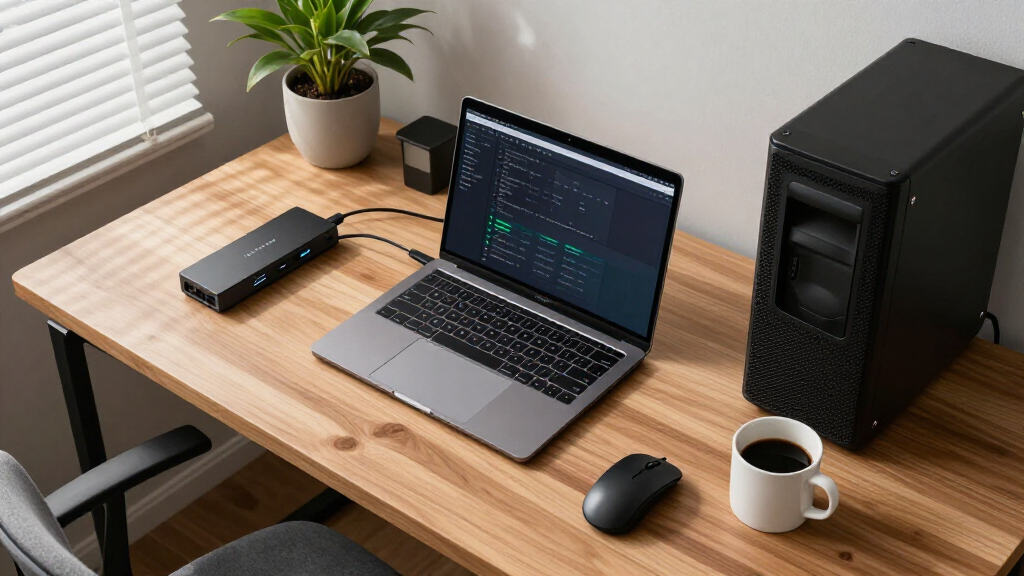
Our selection process focused on models that deliver reliable remote access for homelabs, balancing features, ease of use, and cost. We prioritized devices with comprehensive connectivity options, high compatibility with common OS and hardware, and security features suitable for home environments. Ease of installation and management was also a key factor, especially for users without extensive networking experience. Finally, we evaluated user feedback and industry reputation to ensure these picks meet real-world homelab needs.
| kvm over ip switch for homelab access | Connectivity | Features |
|---|---|---|
| Open-Source KVM Over IP | Ethernet (PoE), web interface | — |
| Sipeed NanoKVM-Pro 4K IP-KVM O | WiFi6, GbE | Touchscreen, Knob, LED, AI Agent |
| Vertiv Avocent AV3000 Rackmoun | — | CAC, Centralized Management, Multilingual OSD |
| Voyager 3 Plus KVM Over IP & C | Redundant Ethernet, HDMI | KVM over IP, Console Server, PoE, HDMI Passthrough, Virtual Media |
| JetKVM IP KVM Over IP with Rem | — | — |
Factors to Consider When Choosing Best Kvm Over Ip Switch For Homelab Access
Selecting the right KVM over IP switch for your homelab involves balancing features like resolution, security, ease of setup, and future scalability. Consider what level of remote access you need—whether BIOS-level control, multi-user support, or high-res video. Think about your technical comfort; some options require networking expertise, while others are designed for quick deployment. Price and size also matter, especially in space-constrained environments. This guide breaks down key factors to help you determine which device aligns with your homelab goals.Resolution and Video Quality
High-resolution video, such as 4K, is essential if your homelab handles graphics, multimedia, or detailed system monitoring. Devices like the NanoKVM-Pro support 4K60 HDMI, delivering crisp visuals, while others like the JetKVM are limited to 1080p but offer lower latency. Consider your visual fidelity needs against your network’s capacity; higher resolutions demand more bandwidth and may introduce latency if network quality isn’t optimal.
Connectivity and Compatibility
Look for switches that support your existing hardware interfaces—HDMI, DVI, DisplayPort, or VGA—and ensure compatibility with your operating systems. PoE support can simplify wiring, while dual network options like WiFi6 and GbE provide flexibility. Devices with open-source firmware give advanced users more control, but may require more setup effort. For larger homelabs, port count and management features are vital considerations.
Security and Management Features
Security features like CAC support or zero-trust readiness are important if your homelab hosts sensitive data. Centralized management and access controls help in multi-user environments. BIOS-level access is invaluable for troubleshooting and OS installations. Evaluate whether the device provides local and remote access modes, and if it supports multi-user collaboration, which can enhance flexibility in managing multiple servers.
Ease of Use and Setup
Some devices prioritize plug-and-play deployment, like the Voyager 3 Plus, ideal for users who want quick setup. Others, such as the open-source options, demand networking knowledge and configuration time. Consider whether you prefer a device with a touchscreen or physical controls for ease of operation. Also, assess the level of technical support or documentation available to help with initial setup and maintenance.
Cost and Size
Price ranges widely, from budget-friendly open-source options to premium enterprise-grade switches. Determine your budget and whether the device’s features justify the expense. Size matters too; compact models like NanoKVM-Pro fit small spaces, while rackmount options like the Vertiv Avocent are suited to larger, organized setups. Balance your current needs with potential future expansion when choosing a device.
Frequently Asked Questions
What is a KVM over IP switch?
A KVM over IP switch allows you to remotely control multiple servers or computers via a network connection. It transmits video, keyboard, and mouse signals over Ethernet, enabling management from anywhere with internet access. This setup is ideal for managing headless servers or homelabs where physical access is limited or inconvenient.
Do I need technical experience to set up a KVM over IP switch?
The level of technical skill required depends on the device. Simpler models like the Voyager 3 Plus are designed for quick, straightforward setup, often with minimal networking knowledge. More advanced, open-source options such as the Open-Source KVM demand familiarity with network configuration and firmware flashing. Evaluate your comfort with networking before choosing a device.
Is 4K resolution necessary for homelab use?
While 4K provides sharper visuals, it’s mainly beneficial if your homelab handles high-res multimedia, detailed system monitoring, or graphical tasks. For typical server management or BIOS access, 1080p is often sufficient. Higher resolution demands more bandwidth and may introduce latency if your network isn’t robust enough.
What security features should I look for?
Security features such as CAC support, zero-trust architecture, and encrypted remote access help protect your homelab from unauthorized access. Devices with role-based access controls and multi-user support also improve security when multiple users need remote management. Consider these features if your setup involves sensitive data or complex access requirements.
How does PoE benefit a homelab setup?
PoE support allows your KVM switch to receive power through the Ethernet cable, reducing cable clutter and simplifying deployment. It’s especially useful in environments where power outlets are limited or where clean, minimal wiring is desired. However, ensure your network switch or injector supports PoE to maximize this benefit.
Conclusion
For homelab builders comfortable with networking and customization, the open-source KVM over IP offers unmatched flexibility. Users seeking high-res visuals and space efficiency will appreciate the NanoKVM-Pro, while those managing multiple servers in a more professional setting might lean toward the Vertiv Avocent for its robust features. Beginners or those prioritizing rapid setup should consider the Voyager 3 Plus for its ease of deployment and BIOS-level control. The JetKVM suits advanced users needing low-latency control and open-source flexibility. Ultimately, your choice depends on your technical skills, budget, and specific management needs—matching the device to your homelab’s scale and purpose ensures seamless remote access in 2026.
As an affiliate, we earn on qualifying purchases.Halloween Picks
halloween