

When companies promise transparency in their privacy notices but fail to follow through with actual data practices, your trust quickly erodes. Vague claims about security or encryption, combined with complex consent forms, leave you unsure if your information is truly protected. When the reality doesn’t match their promises, it feels like a cover-up, making you skeptical and less confident in using their services. If you want to understand how these gaps develop and how to spot them, keep exploring.
Key Takeaways
- Vague privacy statements about security measures create suspicion and erode user confidence.
- Lack of transparency about encryption practices undermines trust in data protection.
- Unclear data collection and consent processes lead to perceptions of manipulation and dishonesty.
- Discrepancies between promised and actual data handling damage credibility and user loyalty.
- Honest, detailed privacy disclosures are essential to rebuild trust and demonstrate genuine commitment.
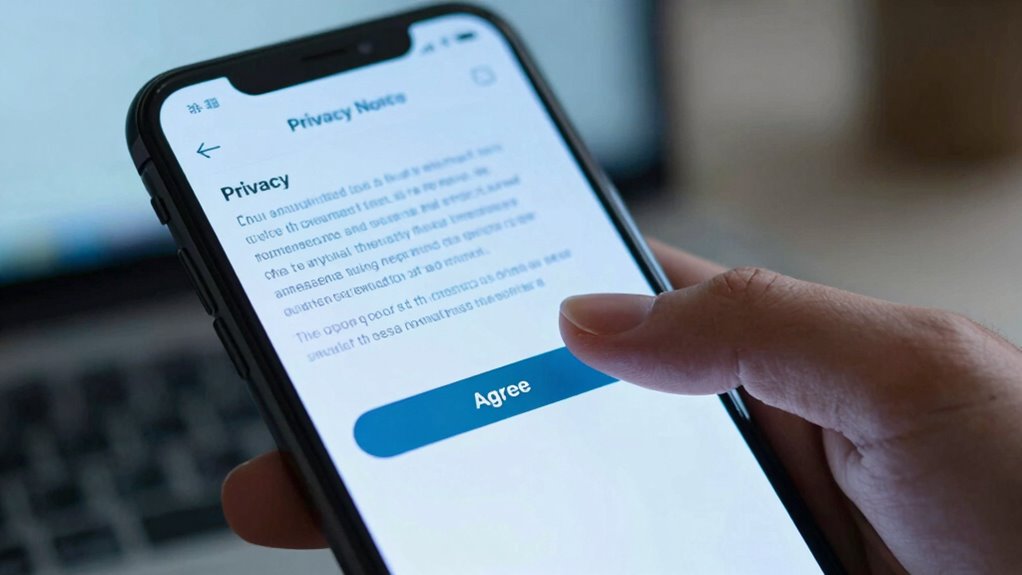
Many companies claim to prioritize user privacy, yet their privacy notices often tell a different story. As a user, you might trust the assurances you see online, but beneath the surface, many organizations fall short of their promises. One key aspect they often neglect is how they handle your data once you’ve given consent. When you sign up for a service, you’re typically asked to agree to terms that you might skim or overlook. These terms usually grant the company permission to collect, analyze, and sometimes share your data. But what you might not realize is whether they’re truly transparent about how they protect that information or if they’re just paying lip service to privacy.
Data encryption plays a vital role in safeguarding your information, yet many companies don’t emphasize this enough in their privacy notices. Encryption is the process of converting your data into a secure code, making it unreadable to anyone who doesn’t have the key. If a company truly values your privacy, they’ll use robust encryption protocols for both data in transit and data at rest. However, many privacy notices simply state that they “use standard security measures,” leaving you in the dark about the strength of their encryption practices. This lack of transparency can erode your trust, especially if you learn later that your sensitive information was inadequately protected. Moreover, the transparency of a company’s privacy practices often directly impacts your confidence, as vague or generic statements can seem like a cover-up. Clearer explanations about security protocols can help build trust, but these are often missing or overly technical. Additionally, companies that are truly committed to privacy will often provide detailed information about their encryption standards and security audits, reinforcing their credibility. User consent is another area where the mismatch becomes glaring. While companies often ask for your permission to collect data, they sometimes do so in ways that undermine your control. For example, they might present lengthy, complex agreements designed to overwhelm you, leading to uninformed consent. Additionally, they may continue to collect data even after you’ve opted out or withdrawn permission. When privacy notices don’t clearly explain how your data will be used or how you can revoke your consent, it feels like your rights are being sidelined. This creates a disconnect between what you’re told and what actually happens, making it harder to trust these organizations.
Many companies claim to encrypt data but often lack transparency about encryption strength, risking your sensitive information’s safety.
Ultimately, when the reality of data encryption and user consent doesn’t match the promises in privacy notices, your confidence in the company takes a hit. You may feel suspicious about whether your data is truly protected or if your consent is meaningful. This mismatch fuels skepticism and makes you question the integrity of their privacy commitments. Companies need to be honest and transparent, not only in their words but also in their practices. When they do, trust can be rebuilt. But until then, the gap between their privacy notices and actual data handling practices will continue to threaten your confidence and the integrity of your digital relationships. Being aware of privacy notice discrepancies can help you better evaluate how much trust to place in a company’s privacy claims.

Data Blocker, 3-in-1 USB Data Blocker, Protect Against Juice Jacking
✅【3-in-1 Data Blocker】 We have combined the USB-A to USB-C and USB-A to USB-A, USB-C to USB-C data…
As an affiliate, we earn on qualifying purchases.
As an affiliate, we earn on qualifying purchases.
Frequently Asked Questions
How Can Consumers Identify Privacy Notice Discrepancies Effectively?
You can identify privacy notice discrepancies by paying close attention to consent clarity and data transparency. Read notices carefully, looking for vague language or inconsistencies between what’s stated and actual data practices. Cross-check if the company’s actions align with their privacy policies. If you notice contradictions or unclear explanations, question or avoid sharing personal information. Staying vigilant helps you protect your data and maintain trust with organizations that respect your privacy.
What Legal Actions Exist for Privacy Notice Violations?
Over 70% of consumers feel uneasy about data breaches, highlighting the importance of legal actions for privacy violations. If a company breaches privacy notices, you can pursue legal repercussions like class-action lawsuits, regulatory fines, or reporting to authorities like the FTC. These actions aim to hold companies accountable, prevent future data breaches, and restore trust. Staying informed about your rights empowers you to take swift action when privacy is compromised.
How Often Should Companies Update Their Privacy Notices?
You should update your privacy notices whenever there’s a significant change in data practices, technology, or regulations. Regular updates guarantee transparency and build user trust. Incorporate details about data encryption methods and seek renewed user consent if your practices evolve. By doing so, you demonstrate your commitment to privacy, comply with legal standards, and prevent trust erosion caused by outdated or misleading notices.
Are There Industry Standards for Privacy Notice Transparency?
Think of privacy notice transparency like a clear window—you want users to see through it easily. Industry standards emphasize honesty, with guidelines on data accuracy and user awareness, ensuring notices are straightforward and up-to-date. For example, a company that regularly updates its privacy policies and clearly explains data use builds trust. Following these standards helps protect user rights, making your privacy notices transparent and trustworthy.
What Tools Help Monitor Privacy Notice Compliance?
You can use tools like privacy management platforms and compliance software to monitor privacy notice adherence. These tools help guarantee data encryption and proper recording of user consent, maintaining transparency. Automated alerts notify you of any discrepancies or breaches, keeping your privacy notices up to date. Regular audits and dashboards also help track compliance, build trust with users, and demonstrate your commitment to protecting their data and honoring their consent.
McAfee Total Protection 5-Device | AntiVirus Software 2026 for Windows PC & Mac, AI Scam Detection, VPN, Password Manager, Identity Monitoring | 1-Year Subscription with Auto-Renewal | Download
DEVICE SECURITY – Award-winning McAfee antivirus, real-time threat protection, protects your data, phones, laptops, and tablets
As an affiliate, we earn on qualifying purchases.
As an affiliate, we earn on qualifying purchases.
Conclusion
If your privacy notice doesn’t match your actual practices, trust drops quickly—research shows that 81% of consumers feel more confident when companies are transparent. When your policies align with what users experience, you build credibility and loyalty. So, take a hard look at your privacy notice—ensure it honestly reflects your practices. Doing so not only protects your reputation but also keeps your users engaged and trusting you for the long haul.

Integral Courier 16GB Encrypted USB Flash Memory – Keep Sensitive Data Safe with USB Drive Hardware Encryption – USB Flash Drive with FIPS 197 Security Standard to Help with GDPR Compliance, Blue
Certified to FIPS 197 – High-level information security standard approved by the U.S. Government
As an affiliate, we earn on qualifying purchases.
As an affiliate, we earn on qualifying purchases.

ComplyRight HIPAA Patient Ack. of Receipt of Notice of Privacy Practices | 8-1/2” x 11” | Medical Form | 200 Pack
HEALTHCARE FORM: Under the HIPAA regulations, all healthcare providers are required to adopt certain policies and procedures to…
As an affiliate, we earn on qualifying purchases.
As an affiliate, we earn on qualifying purchases.