
TL;DR

Get business pricing on tech for your team
- Business-only prices and quantity discounts
- Tax-exempt purchasing
- Multiple users, one account, clear invoices
In 2026, the top AI camera lenses offer a balance of versatility, image quality, and compatibility. The Sony FE 24-70mm F/2.8 GM II leads for overall performance, while other options suit specific needs like travel or wildlife. Choice depends on camera mount, focal range, and shooting style.
Multiple leading camera lens manufacturers have introduced new models optimized for AI-assisted photography in 2026, offering improved versatility, autofocus, and image processing. The Sony FE 24-70mm F/2.8 GM II remains the top overall choice due to its balanced focal range, bright aperture, and manageable weight, making it suitable for a wide range of shooting scenarios. These developments matter because they enhance the capabilities of modern photographers, both professionals and enthusiasts, in an increasingly AI-driven imaging landscape.
The Sony FE 24-70mm F/2.8 GM II is rated as the best overall lens for its combination of optical quality, flexible focal range, and lightweight design. It supports AI features like advanced autofocus and scene recognition, making it a versatile tool for various subjects.
The Canon RF 24-105mm f/4L IS USM is highlighted for travel and everyday use, offering a broader zoom range with a smaller aperture that favors portability and ease of use, though it sacrifices some low-light performance.
For specialized applications, the Canon RF 28-70mm F/2L USM provides superior low-light capability thanks to its wider aperture but is heavier and more expensive, limiting its appeal to dedicated professionals.
The Canon EF 50mm f/1.8 STM remains the best value prime lens, ideal for learning composition and portraits but limited to DSLR users and fixed framing.
The Canon RF 100-400mm F/5.6-8 IS USM is the only long-reach zoom, suited for wildlife and sports photography, despite its slower aperture.
The 6 picks
- 1
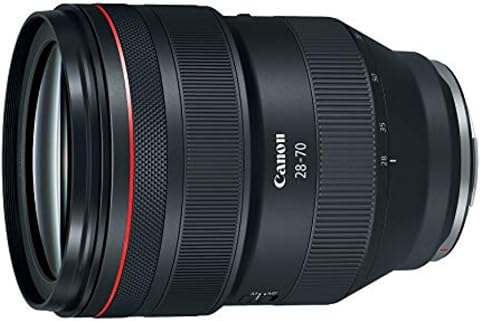 Canon RF28-70mm F2 L USM Lens, Zoom Lens for EOS R Series, BlackView on Amazon →
 - 2
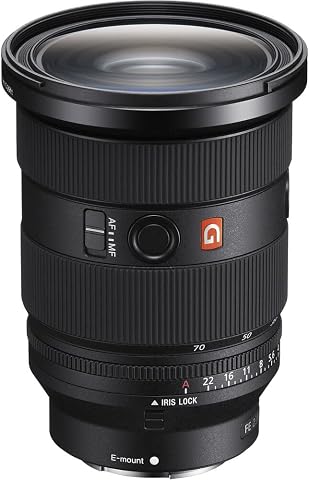 Sony FE 24-70mm F/2.8 GM II Full Frame E-Mount Standard Zoom LensView on Amazon →
 - 3
 Canon RF 24-70mm F2.8L IS USM Lens for Canon EOS R Series Mirrorless CamerasView on Amazon →
 - 4
 Canon RF 24-105mm f/4L IS USM Zoom Lens for EOS R SeriesView on Amazon →
 - 5
 Canon RF100-400mm F5.6-8 IS USM Telephoto Lens for EOS R Series CamerasView on Amazon →
 - 6
 Canon EF 50mm f/1.8 STM Lens for Canon EOS DSLR CamerasView on Amazon →
Impact of AI-Optimized Lenses on Photography in 2026
The emergence of AI-enhanced camera lenses in 2026 signifies a major step forward in photography technology, enabling faster autofocus, scene recognition, and improved image quality. This benefits both professionals and hobbyists by reducing technical barriers and expanding creative possibilities. The increasing integration of AI features in lenses also influences equipment choices, with compatibility and specific use cases shaping purchasing decisions.
2026 Lens Market and AI Integration Trends
Over the past few years, camera manufacturers have progressively integrated AI capabilities into lenses and camera bodies. The trend accelerates in 2026, with new models emphasizing scene recognition, subject tracking, and automatic adjustments. Leading brands like Sony and Canon have introduced lenses that leverage AI for superior autofocus and image stabilization, responding to consumer demand for smarter, more adaptable gear.
Prior to 2026, most professional lenses focused on optical quality and build; now, AI features are becoming a key differentiator, especially for dynamic and unpredictable shooting environments. The market continues to evolve with a focus on compatibility, lightweight design, and multi-purpose functionality.
“The integration of AI into camera lenses in 2026 dramatically enhances autofocus speed and accuracy, making it easier for photographers to capture decisive moments.”
— Thorsten Meyer, AI Camera Expert
Unresolved Questions About AI Lens Compatibility and Performance
While many new lenses feature AI enhancements, it is still unclear how universally compatible these models are across different camera brands and mounts. Some manufacturers have introduced proprietary AI features, which may not work seamlessly with all camera systems. Additionally, long-term durability and real-world performance of AI-driven autofocus and scene recognition are still being evaluated, with ongoing updates expected.
Upcoming Releases and AI Software Updates in 2026
Manufacturers are expected to release additional AI-optimized lenses throughout 2026, expanding options for videographers, wildlife shooters, and general users. Firmware updates will likely improve existing models’ AI capabilities, making them more reliable and feature-rich. Photographers should watch for announcements from Sony, Canon, and other major brands, as well as potential new standards for AI integration in camera gear.
Key Questions
Which lens is best for general photography in 2026?
The Sony FE 24-70mm F/2.8 GM II is considered the best overall for its versatility, optical quality, and AI features, suitable for most photographic situations.
Are AI features in lenses reliable for fast action photography?
Early results suggest AI autofocus and scene recognition are improving, but performance can vary depending on the camera system and environmental conditions. Testing new models is recommended for critical applications.
Will I need special software or updates to use AI features?
Most AI capabilities are embedded within the lens firmware or camera firmware updates. Manufacturers typically release updates to enhance AI performance, so keeping gear updated is advised.
Can I use AI lenses on older camera models?
Compatibility depends on the lens mount and AI feature integration. Some lenses may require newer camera firmware or may not support AI functions on older models.
Source: ThorstenMeyerAI.com
Fall Picks
fall essentials
As an affiliate, we earn on qualifying purchases.