

📊 Full opportunity report: The referral. How AI search severs the content-for-traffic contract that funded the open web. on ThorstenMeyerAI.com — validation score, market gap, and execution plan.
TL;DR
AI search engines are now providing direct answers, cutting off the referral traffic that historically funded publishers. This shift is disproportionately harming small and niche publishers, threatening the traditional economic model of digital publishing.
Google’s AI Overviews now provide direct answers to search queries, eliminating the need for users to click through to publisher sites. This development marks a fundamental shift in the search ecosystem, severing the long-standing content-for-traffic contract that funded digital publishers for two decades.
Recent studies, including an Ahrefs report from February 2026, confirm that the introduction of AI Overviews correlates with a 58% reduction in click-through rates on top-ranking pages, nearly doubling the decline observed in 2025. Pew Research indicates that only 8% of users click traditional links when an AI overview appears, compared to 15% without it. Chartbeat data shows a 33% drop in Google search referrals globally since late 2025, with small publishers experiencing the most severe losses—up to 60% in referral traffic.
This shift signifies the end of the referral economy that underpinned digital publishing, especially impacting small and niche publishers who relied heavily on traffic to monetize content. While AI-referred traffic has grown over 200% in the past year, it still accounts for less than 1% of total publisher referrals. The change is not just about traffic volume but about the fundamental economic model: moving from a click-based revenue system to a citation-based recognition system that favors large brands.
The referral.
How AI search severs the
content-for-traffic contract
that funded the open web.
AI Overview · up from 34.5% in 2025
two years · large publishers only −22%
AI Overview appears
despite 200%+ growth
for
traffic
The referral was a contract that was only a custom, severed by the party that always held the power to sever it. What survives is not a new channel but a different asset — the direct relationship with the reader — and the publishers who endure are converting from the rented audience to the owned one before “Google Zero” arrives in full.Thorsten Meyer · The Referral · Post-Wire 03
Impact on Small Publishers and the Future of Content Monetization
The severing of the referral channel threatens the financial viability of many independent and niche publishers, which relied on traffic to generate ad revenue and subscriptions. As AI search answers bypass traditional links, these publishers face declining visibility and monetization opportunities. Larger brands may benefit from the shift, as citation economy favors well-known entities, further widening the gap between big and small publishers. This structural change risks reducing diversity in online content and shifting the web’s economic model away from open, independent publishing.
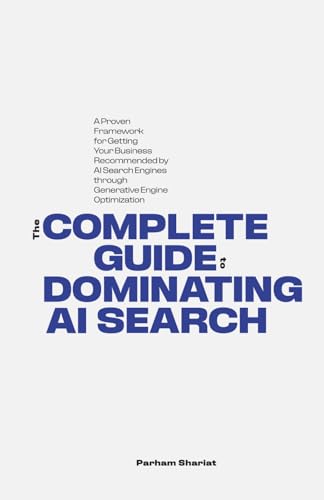
THE COMPLETE GUIDE TO DOMINATING AI SEARCH: A Proven Framework for Getting Your Business Recommended by AI Search Engines through Generative Engine Optimization
As an affiliate, we earn on qualifying purchases.
As an affiliate, we earn on qualifying purchases.
Historical Role of Referral Traffic in Digital Publishing
For two decades, the open web operated on a tacit agreement: publishers allowed search engines to crawl and index their content in exchange for referral traffic, which was monetized through ads and subscriptions. This ‘content plus referral’ model underpinned the entire digital publishing economy. However, recent innovations in AI search, particularly Google’s AI Overviews, have begun to bypass this model by providing direct answers, reducing the need for users to click through to publisher sites. This shift is part of a broader trend where the traditional load-bearing contract of the open web is dissolving.
Studies from early 2026 show a dramatic decline in referral traffic, especially affecting smaller publishers, with some losing over 60% of their traffic. The trend indicates a move from a traffic-driven economy to a citation-driven one, where recognition does not necessarily translate into revenue. The phenomenon is compounded by the rise of AI chatbots, which, despite growth, still generate less than 1% of publisher referrals, indicating the shift is still in early stages but with significant implications.
“The referral was the load-bearing contract of the open web, and AI search is dissolving it — replacing a click economy with a citation economy that does not pay the bills.”
— Thorsten Meyer

Digital Marketing Analytics: Making Sense of Consumer Data in a Digital World (Que Biz-Tech)
As an affiliate, we earn on qualifying purchases.
As an affiliate, we earn on qualifying purchases.
Uncertainties About Long-Term Market and Publisher Responses
It remains unclear how publishers will adapt structurally to this seismic change. While some are shifting toward direct relationships, subscriptions, and licensing deals, the extent to which these strategies will compensate for lost referral traffic is still uncertain. Additionally, the pace at which AI search will further evolve and potentially incorporate new monetization methods is unpredictable, raising questions about the future economic landscape of digital publishing.
content monetization tools for small publishers
As an affiliate, we earn on qualifying purchases.
As an affiliate, we earn on qualifying purchases.
Next Steps for Publishers and Search Ecosystem Evolution
Publishers are likely to intensify efforts to build direct relationships with audiences through subscriptions, email lists, and owned platforms. Negotiations with AI companies for licensing and licensing deals may also become more prominent. Meanwhile, the search industry may experiment with new forms of monetization or interface adjustments to preserve some referral value. Monitoring how AI search algorithms evolve and how publishers adapt will be critical over the coming months and years.

Web Analytics 2.0: The Art of Online Accountability and Science of Customer Centricity
As an affiliate, we earn on qualifying purchases.
As an affiliate, we earn on qualifying purchases.
Key Questions
How exactly does AI search impact publisher revenue?
AI search provides direct answers that bypass publisher sites, significantly reducing referral traffic and ad revenue, especially for small and niche publishers relying on clicks for monetization.
Are larger publishers less affected by this shift?
While all publishers face challenges, larger publishers with established brands and direct audience relationships are better positioned to adapt through subscriptions and licensing, though they are not immune to the overall trend.
Can publishers still benefit from AI search?
Some publishers are exploring licensing agreements with AI providers or developing direct engagement strategies, but these are not yet widespread solutions and may not fully offset the loss of referral traffic.
Will this change the quality or diversity of online content?
Potentially. As smaller and independent publishers struggle or exit the market, the diversity of content may diminish, and the web could become more dominated by large brands and recognized entities.
What can publishers do to survive this transition?
Focusing on building direct relationships with audiences, diversifying revenue streams, and negotiating licensing deals with AI platforms are among strategies publishers are pursuing to adapt.
Source: ThorstenMeyerAI.com