
TL;DR
Innovative harness engineering techniques are now being adapted for self-improvement, offering personalized tools to enhance mental and physical performance. This development signals a new intersection between engineering and personal growth.
Engineers and psychologists are collaborating to develop harness-based systems aimed at enhancing individual self-improvement efforts. Learn why harness engineering is crucial for reliable systems. These systems leverage engineering principles to create personalized tools that monitor, motivate, and optimize personal performance, marking a significant shift in how technology can support personal growth.
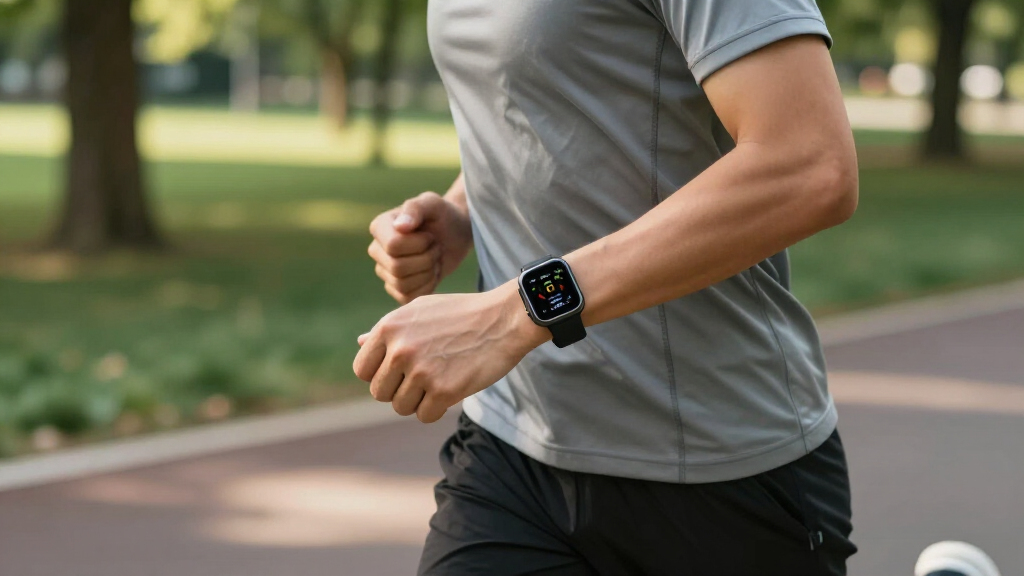
Recent projects involve designing wearable harnesses equipped with sensors and feedback mechanisms to improve mental focus, physical training, and emotional regulation. These innovations are part of the broader field of AI harness development. According to sources close to the development, these harnesses can track physiological data such as heart rate, muscle activity, and brainwaves, providing real-time feedback to users.
Experts say that these systems are inspired by industrial harnesses used in construction and manufacturing but adapted for personal use. For more insights, see Demis Hassabis’s approach to harnessing AI safely. The goal is to create adaptable, user-centric devices that can be customized for individual goals, whether improving athletic performance, managing stress, or increasing productivity.
Several startups and research institutions have begun pilot programs, with early results indicating improved motivation and measurable performance gains. However, these systems are still in the experimental phase, and widespread commercial availability is not yet confirmed.
Potential Impact of Engineering-Driven Self-Improvement Tools
This development could transform personal development by providing scientifically grounded, customizable tools that help individuals optimize their mental and physical capabilities. If successful, harness engineering could lead to more effective training and wellness programs, bridging the gap between engineering innovation and everyday self-improvement.
Experts suggest that such systems could benefit athletes, students, and professionals seeking tailored performance enhancement. However, questions about data privacy, long-term effectiveness, and accessibility remain.
wearable biofeedback harness for stress management
As an affiliate, we earn on qualifying purchases.
As an affiliate, we earn on qualifying purchases.
Emergence of Engineering Principles in Personal Development
The concept of applying engineering principles to personal growth is not entirely new but has gained momentum with advances in sensor technology and wearable devices. Historically, self-improvement tools relied on behavioral psychology and generic fitness devices. Now, integrating engineering design—such as modular harnesses and real-time feedback—allows for more precise and personalized interventions.
Recent years have seen a surge in wearable tech aimed at health and wellness, but harness engineering approaches are distinguished by their focus on structural design and feedback mechanisms rooted in engineering science. This trend aligns with broader movements toward data-driven, personalized health solutions.
“Harness engineering offers a new frontier for personalized self-improvement tools, combining structural design with real-time data to optimize performance.”
— Dr. Lisa Chen, Biomedical Engineer
personal performance monitoring harness
As an affiliate, we earn on qualifying purchases.
As an affiliate, we earn on qualifying purchases.
Unanswered Questions About Effectiveness and Privacy
It is still unclear how effective these harness systems will be in the long term or across diverse populations. While early results are promising, comprehensive clinical trials and user studies are ongoing.
Additionally, data privacy concerns related to physiological monitoring and personal data collection have yet to be fully addressed. Experts warn that without proper safeguards, user information could be vulnerable.
Regulatory approval and standardization processes are also in early stages, leaving questions about widespread adoption and safety.

Vision Fitness RPM Speed Sensor Wire Harness 001955-00 002254-D2 Works W Treadmill
- Part Numbers: 001955-00 or 002254-D2
- Buying Guide: Locate model and serial numbers
- Compatibility Check: Verify options in description
As an affiliate, we earn on qualifying purchases.
As an affiliate, we earn on qualifying purchases.
Next Steps in Developing and Validating Harness-Based Tools
Researchers and developers plan to expand pilot programs, conduct large-scale clinical trials, and refine device designs based on user feedback. Expect announcements of further testing phases and potential commercial launches within the next 12-18 months.
Regulatory agencies are beginning to review these new types of wearable systems, which could lead to certification and standards for safety and efficacy. Meanwhile, discussions around data privacy and ethical use are gaining prominence.

Development of Biocooperative Control Strategies for Neuromotor Rehabilitation Robotic Platforms: A Real-Time Embedded Approach for Enhanced Human-Robot Interaction (Springer Theses)
As an affiliate, we earn on qualifying purchases.
As an affiliate, we earn on qualifying purchases.
Key Questions
How do harness engineering tools improve self-improvement?
They provide personalized, real-time feedback on physiological and mental states, helping users optimize their performance through tailored interventions.
Are these harness systems safe for everyday use?
Safety assessments are ongoing. Early prototypes are designed with safety in mind, but full regulatory approval has not yet been granted for widespread use.
Who can benefit from harness-based self-improvement tools?
Potential users include athletes, students, professionals, and anyone interested in personalized performance enhancement and wellness management.
When might these systems become commercially available?
Based on current development timelines, commercial products could reach the market within 12 to 18 months, pending regulatory approval and further testing.
What are the main challenges facing this technology?
Key challenges include proving long-term effectiveness, ensuring data privacy, and establishing regulatory standards for safety and efficacy.
Source: hn