

To boost engagement in virtual teams, focus on clear, open communication and building trust. Use a variety of tools like video calls, instant messaging, and project platforms to keep everyone connected and informed. Encourage transparency, active participation, and personal sharing to foster stronger bonds. Regular check-ins and team-building activities help create routines and a sense of belonging. Keep exploring these strategies to unseal even greater team cohesion and high performance.
Key Takeaways
- Regular virtual check-ins and team-building activities foster personal connections and strengthen team bonds.
- Transparent communication and open feedback encourage trust and psychological safety among team members.
- Utilizing diverse digital tools supports varied interactions, keeping team members engaged and informed.
- Recognizing contributions publicly boosts motivation and enhances a sense of belonging.
- Leaders modeling openness, empathy, and effective communication set the tone for a cohesive virtual team environment.

Have you ever wondered how virtual teams can stay motivated and connected despite working remotely? The key lies in effective virtual communication, which acts as the backbone for maintaining team cohesion. When you’re not sharing the same physical space, it’s easy for misunderstandings to develop or for members to feel isolated. That’s why establishing clear, consistent, and open lines of virtual communication is essential. Use a variety of tools—video calls, instant messaging, project management platforms—to foster real-time interaction. This helps everyone stay updated, engaged, and aligned with shared goals. When team members feel heard and informed, their sense of belonging increases, which directly boosts motivation.
Building team cohesion in a virtual environment requires more than just regular updates. You should encourage transparency and trust through deliberate communication practices. For instance, setting up daily or weekly check-ins creates a routine where team members can share progress, voice concerns, and celebrate successes. These interactions aren’t just about work; they’re opportunities to build personal connections. When you see colleagues as more than just names on a screen, it strengthens the team’s bonds and creates a shared sense of purpose. Recognizing individual contributions publicly can also foster cohesion, making everyone feel valued and integral to the team’s success.
Another way to enhance virtual communication and team cohesion is by promoting a culture of openness. Encourage team members to express their ideas and feedback freely, without fear of judgment. This creates a safe space where innovation and collaboration flourish. Additionally, leaders should model effective communication behaviors—being transparent about decisions, providing constructive feedback, and demonstrating empathy. When you do this, you set a tone that prioritizes respect and understanding, which helps mitigate feelings of disconnect or frustration. Emphasizing team building activities can further strengthen relationships and improve overall engagement in virtual settings.

Vibe S1 4K UHD Smart Board, 55 Inch Digital Whiteboard for Office and Classroom, Electronic Presentation Meeting Device for Hybrid Work, Interative Touchscreen Display, Chrome OS and 250+ Free Apps
COMPLETE COLLABORATION: Vibe combines a smart digital whiteboard and whiteboarding software to build an open ecosystem with enterprise-grade...
As an affiliate, we earn on qualifying purchases.
Frequently Asked Questions
How Does Cultural Diversity Impact Virtual Team Engagement?
Cultural diversity can boost virtual team engagement by bringing unique perspectives and innovative ideas. However, it also challenges cross-cultural communication, which can cause misunderstandings. To navigate this, you should promote diversity training to enhance awareness and sensitivity. By fostering open dialogue and respecting different cultural norms, you create an inclusive environment where everyone feels valued, ultimately increasing engagement and team cohesion across diverse backgrounds.
What Are Key Metrics to Measure Virtual Team Engagement?
You should track employee participation, which directly correlates with engagement levels, and feedback frequency to gauge ongoing involvement. Studies show that teams with regular feedback see 21% higher productivity. Key metrics include participation rates in meetings or collaborative tools, the number of completed tasks, and responsiveness to communication. Monitoring these helps you identify engagement gaps, foster communication, and create strategies to boost virtual team involvement effectively.
How Can Leadership Foster Trust in Remote Teams?
You can foster trust in remote teams by actively building rapport through regular one-on-one check-ins and transparent communication. Set clear expectations about roles, responsibilities, and deadlines, so everyone understands what’s needed. Show consistency in your actions and follow through on commitments, which reinforces reliability. Encouraging open dialogue and acknowledging team members’ contributions also helps create a trustworthy environment where remote employees feel valued and confident.
What Role Does Technology Play in Maintaining Engagement?
Technology plays a vital role in maintaining engagement by enabling seamless communication through video conferencing and collaboration tools. You can foster connection by regularly hosting virtual meetings, encouraging team members to share ideas, and using platforms that facilitate real-time collaboration. These tools keep everyone connected, promote active participation, and help build a sense of community, ensuring your remote team remains engaged and motivated.
How Does Time Zone Difference Affect Team Cohesion?
Imagine trying to dance with a partner in different time zones—you’ll miss the beat. Time zone differences can cause scheduling conflicts and communication barriers, making team cohesion harder to maintain. You might find yourself waiting hours for responses or missing key meetings. To stay synchronized, you need flexible schedules and clear communication strategies, ensuring everyone stays connected despite the clock gaps. This keeps your team united and effective.
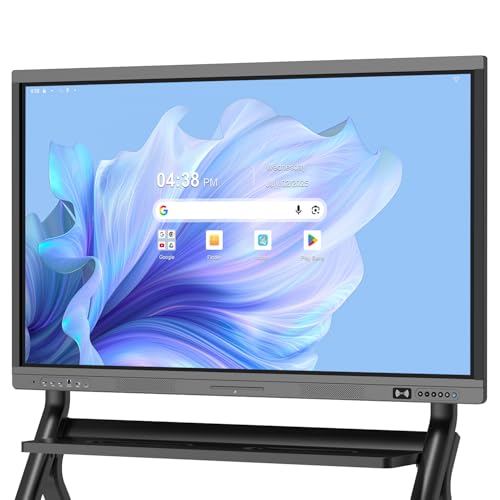
Dornium 55" Smart Board, 4K Digital Whiteboard for Office, Hybrid Work & Classrooms, Google EDLA-Certified Interactive Whiteboard with Android 14, OTA Updates & Open Apps Ecosystem, 8+128GB Storage
EDLA certification and security protection: Google EDLA-certified smart whiteboards offer stable access to the Google Play Store and...
As an affiliate, we earn on qualifying purchases.
Conclusion
To stay engaged in virtual teams, you must communicate clearly, collaborate openly, and connect consistently. Embrace technology to foster trust, show enthusiasm to inspire others, and prioritize your well-being to maintain motivation. By actively participating, supporting your teammates, and remaining committed, you create a strong, cohesive virtual community. Engagement isn’t just about working; it’s about connecting, contributing, and growing together—making your virtual team not just functional, but thriving.
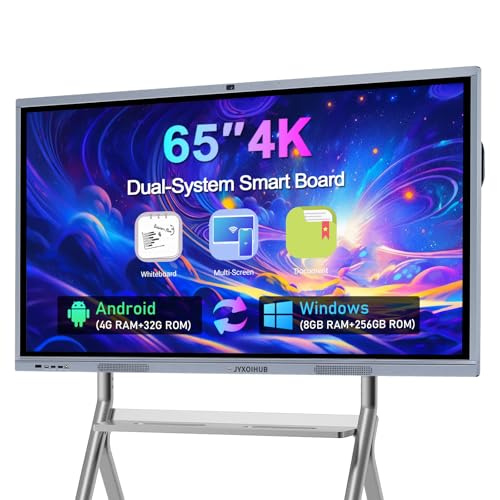
65 Inch Smart Board, 4K Electronic Whiteboard, Built in Dual System and 20MP Camera Digital White Board for Classroom and Business, Interactive Whiteboard with Video Conference System (Board Only)
【20MP Camera for Video Conference】 JYXOIHUB electronic whiteboard build in 20MP camera, 8 array MICs and 2*20W speakers...
As an affiliate, we earn on qualifying purchases.
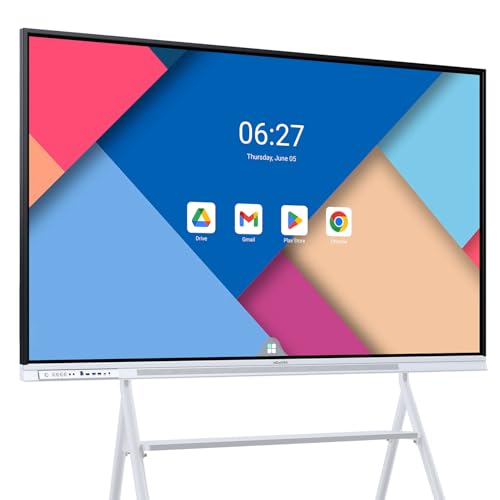
NEWORK 75 Inch 4K Smart Board - Google EDLA-Certified Interactive Whiteboard, Android 14, 50-Point Touch, Wireless Casting - Digital Whiteboard for Classrooms & Hybrid Offices (Board Only)
Google Certification: The NewBoard 75E is a Google EDLA-certified smart board that provides full access to Google Play...
As an affiliate, we earn on qualifying purchases.