
📊 Full opportunity report: Build vs Buy a Prebuilt AI Workstation on ThorstenMeyerAI.com — validation score, market gap, and execution plan.

Get business pricing on tech for your team
- Business-only prices and quantity discounts
- Tax-exempt purchasing
- Multiple users, one account, clear invoices
TL;DR
The longstanding rule that building an AI workstation is cheaper than buying has changed in 2026. Component shortages and bulk buying have made prebuilt systems often more cost-effective, shifting the decision from just price to control and convenience.
In 2026, the cost gap between building a custom AI workstation and purchasing a prebuilt system has narrowed or even reversed, driven by component shortages and price spikes that affect DIY parts. This shift challenges the long-standing assumption that building is always cheaper, making the decision more complex and dependent on factors beyond cost alone.
Traditionally, building a custom AI workstation was considered more affordable than buying preassembled, primarily because DIY parts could be sourced at lower prices. However, in 2026, shortages of high-end components like GPUs, DDR5 RAM, and SSDs have caused prices to spike sharply. As a result, many prebuilt vendors, such as Lambda and BIZON, have secured bulk supplies before the shortages intensified, allowing them to offer fully assembled systems at prices that are difficult to match through DIY sourcing today.
This development means that the cost advantage of building your own AI rig has diminished or disappeared for many configurations. Consumers now need to compare actual prices for their specific setups rather than rely on assumptions about DIY savings. Additionally, prebuilt vendors often include validated thermals, burn-in testing, and warranties, which can justify a higher price for professionals or those seeking reliability and support.
Meanwhile, the decision is no longer solely about saving money. It now involves considerations like thermal management, noise levels, control over components, and the value of time saved by purchasing ready-to-use systems. The choice depends heavily on individual needs, expertise, and whether the user values customization and upgradeability over convenience.
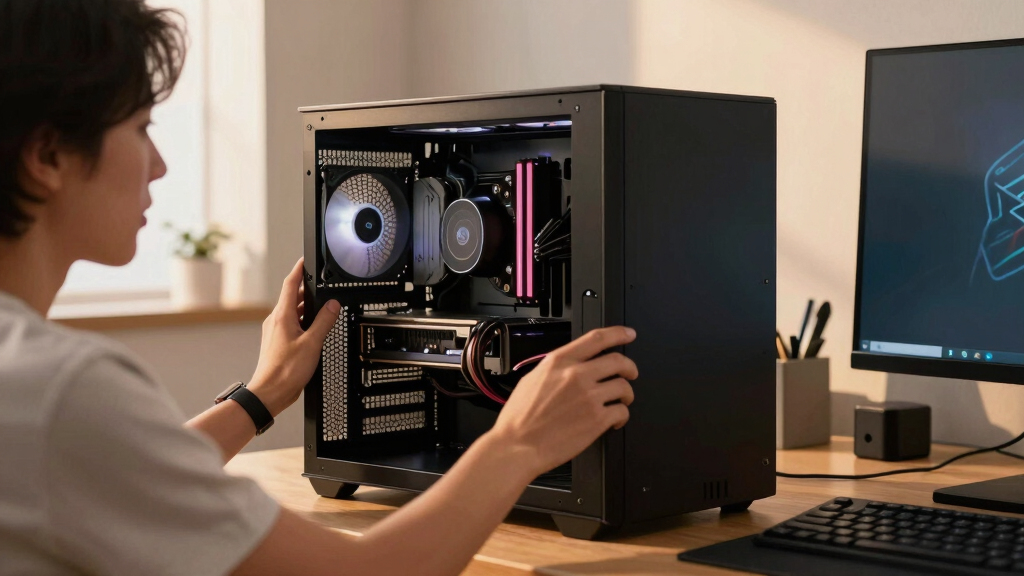
Build vs buy
an AI workstation.
The real question behind this whole series: do you pull the five heat-and-noise levers yourself, or buy a prebuilt where the vendor pulled them for you? And in 2026, the old “building is cheaper” rule has broken. Match your situation in Part 3.
Why Cost and Control Are Changing in 2026
This shift impacts both hobbyists and professionals by altering the traditional economics of AI workstation assembly. For years, building was the clear choice for cost savings; now, prebuilt systems often match or beat DIY prices due to component shortages and bulk purchasing. This redefines the decision-making process, emphasizing factors like thermal validation, warranty coverage, and time savings. It also signals a broader market trend where supply chain disruptions influence hardware affordability and availability, making careful price comparisons essential for consumers and businesses alike.
As an affiliate, we earn on qualifying purchases.
Component Shortages and Market Dynamics in 2026
Since late 2023, the AI hardware market has experienced significant supply chain disruptions, leading to shortages of high-demand components such as GPUs, DDR5 RAM, and SSDs. These shortages have caused prices to spike, sometimes by 20-30% or more, for individual components. As a result, DIY builders face higher costs and longer lead times, while prebuilt vendors, having secured bulk supplies early, can offer systems at more stable and competitive prices. This environment marks a departure from the past, where building was almost always cheaper due to lower component costs and DIY flexibility.
Major prebuilt vendors now perform extensive thermal validation, burn-in testing, and offer warranties, further adding value that many DIY setups cannot match easily or cost-effectively. The market dynamics have thus shifted the economics of high-performance AI workstations, making the decision more nuanced than before.
"In 2026, component shortages have fundamentally changed the cost landscape, making prebuilt systems often more affordable than DIY builds for high-end AI workstations."
— Thorsten Meyer, AI hardware expert
As an affiliate, we earn on qualifying purchases.
Remaining Questions About Future Market Trends
It remains unclear how long the component shortages and price spikes will persist and whether new supply chains or manufacturing efficiencies will restore cost advantages for DIY builds. Additionally, the pace of technological advancements and new product releases could alter the pricing landscape further, making the current situation potentially temporary.
As an affiliate, we earn on qualifying purchases.
Next Steps for Buyers and Builders in 2026
Consumers and professionals should now carefully compare prices for their specific configurations, including the cost of thermal management, warranties, and time investment. As supply chain conditions evolve, monitoring vendor offerings and component prices will be essential. For DIY enthusiasts, focusing on optimizing thermal performance and upgradeability remains valuable, while those prioritizing reliability and quick deployment may prefer prebuilt systems. The market will likely continue to adapt as new supply sources and manufacturing efficiencies emerge.
As an affiliate, we earn on qualifying purchases.
Key Questions
Is building my own AI workstation still cheaper in 2026?
Not necessarily. Due to component shortages and price spikes, prebuilt systems often match or exceed the cost of DIY builds for similar configurations. It’s essential to compare actual prices for your specific setup.
What are the main advantages of buying a prebuilt AI workstation?
Prebuilts offer plug-and-play convenience, validated thermals, burn-in testing, warranties, and expert support, reducing setup time and risk of thermal or hardware issues.
Should I build my own if I want maximum control and upgradeability?
Yes, if you enjoy assembling hardware, want tailored thermal tuning, or plan to upgrade components over time. Building provides hands-on control and learning opportunities.
How long will component shortages affect prices in 2026?
The duration is uncertain. Market conditions, supply chain improvements, and new manufacturing capacity could stabilize prices, but current trends suggest shortages may persist into 2027 or beyond.
What should I consider beyond price when choosing between build and buy?
Consider thermal performance, noise levels, warranty, support, time investment, and your own expertise. These factors can outweigh cost differences depending on your priorities.
Source: ThorstenMeyerAI.com
Columbus Day / Indigenous Peoples' Day Picks
long weekend sales
As an affiliate, we earn on qualifying purchases.