
TL;DR

Get business pricing on tech for your team
- Business-only prices and quantity discounts
- Tax-exempt purchasing
- Multiple users, one account, clear invoices
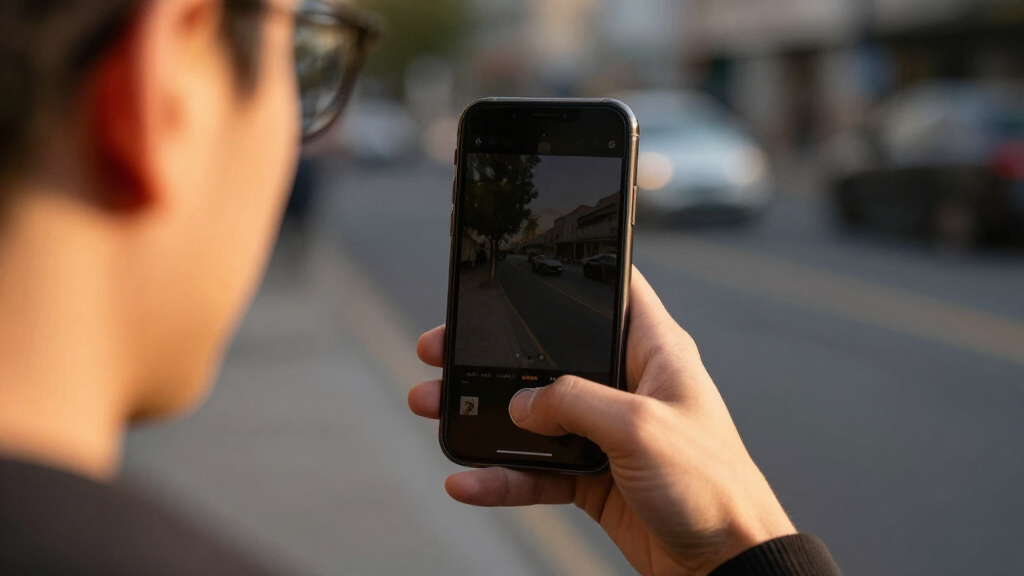
Recent investigations show that many personal actions are being continuously recorded via AI-powered devices and surveillance systems. This development raises privacy issues and questions about data security. The situation is evolving, with authorities and companies responding.
Recent investigations reveal that **many personal activities are being recorded without explicit consent** through AI-powered devices and surveillance systems, cameras, and wearable technology. This widespread recording raises significant privacy concerns and has prompted calls for regulatory action from privacy advocates and lawmakers.
According to a report published by The Atlantic, numerous companies and government agencies are collecting data on individuals’ movements, conversations, and even biometric information through embedded AI systems. The report highlights that **these recordings are often conducted without clear user awareness or explicit consent**, sparking debates on privacy rights.
Experts warn that this pervasive surveillance could lead to increased monitoring, potential misuse of personal data, and a chilling effect on individual freedoms. Several tech firms have acknowledged the existence of data collection practices, but details about the scope and regulation remain unclear.
Implications of Ubiquitous Recording on Personal Privacy
This development is significant because it signals a shift toward near-constant surveillance, with personal activities being logged across various settings. The potential for misuse of this data—such as targeted advertising, political profiling, or authoritarian control—raises serious ethical and legal questions. For individuals, this means reduced privacy and increased vulnerability to data breaches or misuse.
Governments and regulators face pressure to establish clearer laws governing data collection and surveillance practices. The situation underscores the need for increased transparency and stronger privacy protections worldwide.
privacy screen protector for smartphones
As an affiliate, we earn on qualifying purchases.
As an affiliate, we earn on qualifying purchases.
Growing Use of AI and Wearables in Surveillance
Over the past few years, the proliferation of AI-powered devices—such as smart home systems, wearable health trackers, and surveillance cameras—has expanded the capacity for continuous data collection. Recent revelations indicate that many of these systems are used beyond their intended functions, often recording conversations, movements, and biometric data.
Earlier, privacy advocates warned about the risks of pervasive surveillance, but widespread adoption of these technologies has continued. The current reports suggest that the extent of data collection is larger than previously understood, with some companies reportedly sharing data with third parties or government agencies.
wearable activity tracker with privacy features
As an affiliate, we earn on qualifying purchases.
As an affiliate, we earn on qualifying purchases.
Unclear Scope and Regulatory Responses
While reports confirm widespread recording through AI and wearable devices, the full scope remains unclear. It is not yet confirmed how many companies or agencies are involved, nor the exact nature of data sharing practices. Additionally, the effectiveness and enforcement of existing privacy laws are still uncertain, with ongoing debates about regulation and oversight.
home security camera with data encryption
As an affiliate, we earn on qualifying purchases.
As an affiliate, we earn on qualifying purchases.
Expected Regulatory and Industry Responses
In the coming weeks, lawmakers are expected to introduce or amend regulations to address these privacy concerns. Privacy advocacy groups are calling for stricter controls and transparency measures. Tech companies may also face increased scrutiny, with some potentially revising their data collection policies. Further investigations and legal actions are likely as the full extent of the surveillance practices becomes clearer.
As an affiliate, we earn on qualifying purchases.
Key Questions
Are my personal activities being recorded without my knowledge?
According to recent reports, many activities are being recorded through AI and wearable devices, often without explicit user awareness or consent. The extent varies depending on the device and the entity collecting data.
What kinds of data are being collected?
Data collected includes movements, conversations, biometric information, and location data. The scope and detail depend on the specific device or system involved.
Can I prevent my activities from being recorded?
Preventive measures include disabling certain device features, using privacy settings, and advocating for stronger regulations. However, complete prevention may be difficult given the widespread deployment of surveillance technologies.
What legal protections exist against such surveillance?
Legal protections vary by jurisdiction. Some countries have strict privacy laws, but enforcement and coverage are inconsistent. Ongoing legislative efforts aim to strengthen these protections.
Source: hn
Halloween Picks
halloween
As an affiliate, we earn on qualifying purchases.