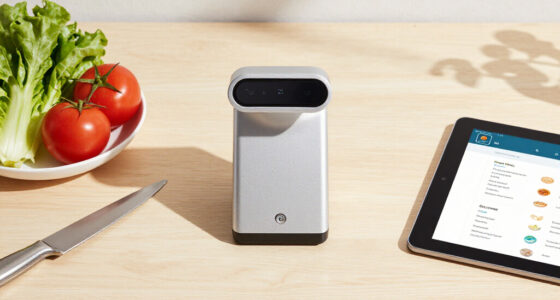
🔍 Read the full analysis: Unlock The Power Of AI With These 12 Home Automation Devices In 2026 on ThorstenMeyerAI.com

Get business pricing on tech for your team
- Business-only prices and quantity discounts
- Tax-exempt purchasing
- Multiple users, one account, clear invoices
TL;DR
In 2026, twelve AI-driven home automation devices stand out for their advanced features, local processing, and integration options. These tools enhance privacy, customization, and convenience, transforming how we manage our homes.
In 2026, a new wave of AI-powered home automation devices is reshaping how consumers manage their living spaces, with a focus on privacy, customization, and seamless control. For a detailed overview, see the original analysis. Leading brands like Hubitat and innovative DIY solutions such as Raspberry Pi are gaining prominence, offering users a range of options from plug-and-play hubs to highly customizable systems. Discover the top AI home automation devices for 2026. This development signifies a shift toward smarter, more private, and more adaptable home environments.
The top devices include the Hubitat Elevation C-8 Pro, which offers robust local control and data privacy, making it ideal for privacy-conscious users. For voice command integration, the Local AI Voices Command Processor provides AI-driven control without relying on cloud services, reducing latency and data exposure. DIY enthusiasts can turn to solutions like Build Your Dream Smart Home with Raspberry Pi, which allows extensive customization but requires technical skills. Learn more about AI-powered home automation options.
These devices vary in complexity, control scope, and price. Some bundles incorporate AI-enhanced cameras and sensors, such as the SwitchBot bundle, offering comprehensive monitoring and automation. Meanwhile, energy monitoring tools like the Home Energy Monitor Lite leverage AI analysis to provide insights into energy consumption, although their automation capabilities remain limited. Overall, the market is increasingly emphasizing privacy, local processing, and ecosystem integration.
The 12 picks
- 1
 SwitchBot AI Hub Bundle with PTC Plus 5MP Camera, AI Smart Hub with OpenClaw…View on Amazon →
 - 2
 SwitchBot AI Hub with OpenClaw Support and Local Camera StorageView on Amazon →
 - 3
 Hubitat Elevation C-8 Pro Smart Home Hub, Local Control and AutomationsView on Amazon →
 - 4
 iSG Box SE ZB Smart Home Hub with Preinstalled Home AssistantView on Amazon →
 - 5
 AI-Powered Smart Home DevicesView on Amazon →
 - 6
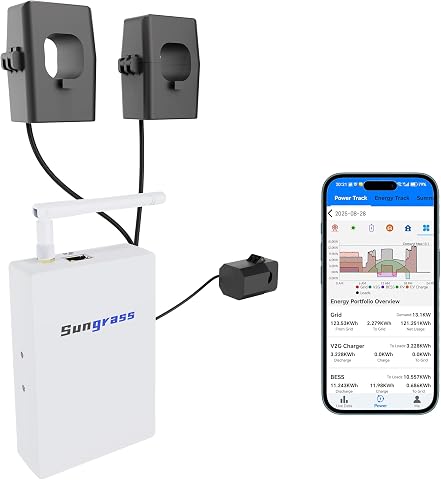 Home Energy Monitor Lite – Real-Time Electricity Usage & Power Consumption Me…View on Amazon →
 - 7
 iSG Box SE Smart Home Hub with Preinstalled Home AssistantView on Amazon →
 - 8
 AI-Powered Smart Home Guide 2026: A Step-by-Step Guide to Designing, Optimizi…View on Amazon →
 - 9
 Build Your Dream Smart Home with Raspberry Pi: The Complete DIY Guide to Crea…View on Amazon →
 - 10
 Speech Recognition Module for DIY Home Automation and RoboticsView on Amazon →
 - 11
 AI Powered Smart Home Guide for Beginners 2026View on Amazon →
 - 12
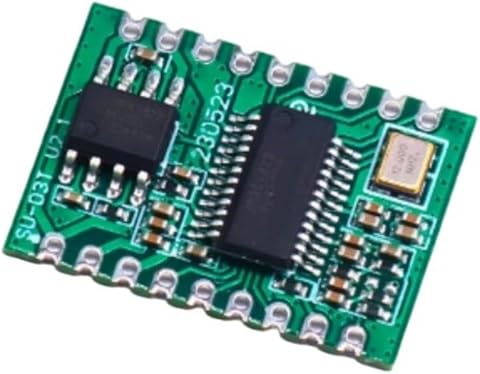 Local AI Voices Command Processor for Home Automation SystemsView on Amazon →
Why Local Control and Privacy Matter in 2026
The emphasis on local AI processing and privacy reflects growing consumer concerns over data security and dependence on cloud services. Devices like the Hubitat Elevation C-8 Pro process commands on-site, minimizing data exposure and ensuring reliability even during internet outages. This trend indicates that privacy-centric solutions are becoming a key differentiator in the smart home market, influencing consumer choices and industry standards.
Evolution of AI Home Automation in Recent Years
Over the past few years, the home automation landscape has shifted from basic connectivity to sophisticated AI-driven systems. Early solutions relied heavily on cloud services, raising privacy issues and latency concerns. Recent innovations, such as local AI processors and DIY platforms like Raspberry Pi, aim to address these issues by offering more control and customization. The 2026 market reflects a maturation of these technologies, with an increasing focus on privacy, local processing, and integration capabilities.
“The shift toward local AI processing in home devices marks a significant step in protecting user privacy while maintaining high performance.”
— Thorsten Meyer, AI Home Tech Expert
Remaining Questions About AI Device Adoption and Security
While local AI processing is gaining traction, it is still unclear how widespread adoption will become across different consumer segments. Additionally, the long-term security of DIY solutions and third-party integrations remains a concern. Industry standards for data security and interoperability are still evolving, and it is not yet confirmed how these factors will influence market growth or user trust in the coming years.
Next Steps for Consumers and Industry Stakeholders
Consumers should monitor updates from leading brands on privacy features and compatibility. Industry stakeholders are likely to focus on enhancing local AI capabilities, developing standardized security protocols, and expanding ecosystem integrations. Future product releases may include more advanced AI processing, increased automation options, and better privacy assurances, shaping the smart home landscape for 2027 and beyond.
Key Questions
Do I need technical skills to set up these AI home devices?
Setup complexity varies. Plug-and-play devices like hubs or smart speakers require minimal technical knowledge, while DIY solutions like Raspberry Pi demand familiarity with networking, programming, and hardware configuration.
Are local AI devices more secure than cloud-based ones?
Generally, yes. Local AI processing reduces data exposure to third parties and minimizes reliance on internet connectivity, enhancing privacy and security.
Can these devices integrate with existing smart home systems?
Most top devices support common protocols like Zigbee and Z-Wave, ensuring compatibility. However, integration ease depends on the specific platform and ecosystem.
What features should I prioritize when choosing an AI home device?
Focus on privacy (local processing), ease of integration, control options (voice, app, physical), and scalability to match your specific needs and technical comfort level.
Will AI devices in 2026 be affordable for most households?
Prices range widely, from budget-friendly DIY setups to premium bundles. While some advanced features may come at a higher cost, many options remain accessible for a broad audience.
Source: ThorstenMeyerAI.com
Halloween Picks
halloween
As an affiliate, we earn on qualifying purchases.