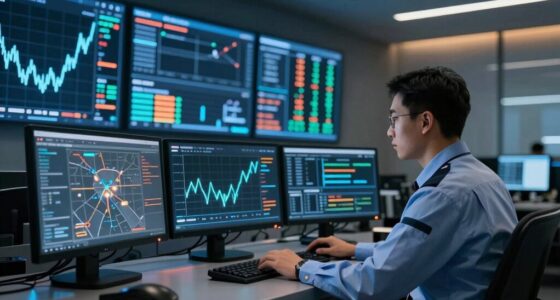

Instrumentation debt slows down your systems and increases costs more than fixing bugs because poorly integrated telemetry causes performance issues, complicates troubleshooting, and requires ongoing maintenance. As a result, you face longer downtimes, delayed updates, and higher resource use. These challenges lead to slower response times and increased expenses over time. If you want to understand how to better manage this hidden burden and save resources, keep exploring these insights further.

Get business pricing on tech for your team
- Business-only prices and quantity discounts
- Tax-exempt purchasing
- Multiple users, one account, clear invoices
Key Takeaways
- Instrumentation debt accumulates over time, leading to performance degradation and increased maintenance costs.
- Poorly optimized telemetry slows systems and complicates troubleshooting, extending resolution time compared to bug fixes.
- Managing outdated or fragmented instrumentation systems requires significant resources, making long-term maintenance more expensive.
- The overhead from excessive data collection hampers system responsiveness during peak loads, affecting user experience.
- Addressing instrumentation debt proactively prevents escalating complexity and costs, unlike bug debt which is often quicker to resolve.
While fixing bugs can be a time-consuming process, addressing instrumentation debt often proves even more costly and slower. Instrumentation debt refers to the accumulation of monitoring, logging, and telemetry systems that aren’t optimized or integrated effectively into your software. When this debt builds up, it creates a significant performance impact, slowing down your entire system and complicating maintenance efforts. Unlike bug fixes, which are usually targeted and can be resolved relatively quickly, instrumentation issues tend to ripple through your infrastructure, making them harder to identify and resolve.
Addressing instrumentation debt is often more costly and slower than fixing bugs, impacting system performance and maintenance.
One major reason instrumentation debt hampers performance is that poorly implemented or outdated telemetry can introduce latency. You might notice your application becoming sluggish or unresponsive during peak times simply because the monitoring tools are overloading the system or collecting excessive data. This added overhead not only affects user experience but also makes troubleshooting more complex. Instead of pinpointing specific issues, you’re often left sifting through mountains of irrelevant logs or metrics, which increases the time needed to identify root causes. This slow feedback loop hampers your ability to quickly respond to critical problems, leading to increased downtime and frustration.
Maintenance challenges are another key factor that makes instrumentation debt so costly. When your telemetry systems are fragmented or outdated, maintaining them becomes a complex, ongoing task. You may find yourself constantly patching or patching over outdated tools, which only adds to the debt. The more you delay addressing these issues, the more entangled your systems become, making future updates or integrations more difficult. This complexity can also lead to inconsistent data collection, which hampers accurate analysis and decision-making. The effort required to clean up or overhaul poorly designed instrumentation often involves significant resource allocation, diverting your team’s focus from developing new features or fixing critical bugs. Recognizing the importance of effective telemetry strategies can help mitigate these issues before they escalate.
Furthermore, the long-term costs of instrumentation debt aren’t just financial—they affect your team’s productivity and morale. When your monitoring systems are unreliable or cumbersome, your engineers spend more time maintaining and troubleshooting them than on core development tasks. This distraction can slow down your entire development pipeline and increase the risk of overlooking important performance issues. Over time, the cumulative impact of these challenges can hinder your ability to deliver reliable software, making it clear that managing instrumentation debt proactively is essential to keeping your system performant and maintainable.
Application Performance Monitoring Tools
As an affiliate, we earn on qualifying purchases.
As an affiliate, we earn on qualifying purchases.
Frequently Asked Questions
How Does Instrumentation Debt Impact Long-Term Software Maintainability?
Instrumentation debt impacts long-term software maintainability by making code harder to update and troubleshoot. When you add code instrumentation for performance monitoring, it can slow down development and increase complexity. Over time, this extra layer of monitoring can clutter your codebase, making it difficult to identify issues quickly. If not managed carefully, it hampers your ability to maintain, improve, and scale your software efficiently.
What Are Common Signs of Growing Instrumentation Debt?
You’ll notice growing instrumentation debt when data collection becomes a chore and monitoring gaps start hiding your system’s true health. If you find yourself manually patching logs or missing alerts, it’s a telltale sign. Those sneaky blind spots mean your monitoring is outdated, and fixing this debt will soon cost more than a few bug fixes. It’s time to prioritize better instrumentation before your system’s secrets are fully exposed.
Can Instrumentation Debt Be Fully Automated Away?
Yes, instrumentation debt can be fully automated away by implementing automated testing and increasing instrumentation coverage. You can set up continuous integration pipelines that automatically run tests, gather metrics, and identify gaps in coverage. This way, you reduce manual effort, catch issues early, and guarantee consistent instrumentation. While some initial setup is required, automation helps you maintain healthy instrumentation, preventing debt from accumulating and slowing down your development process.
How Does Instrumentation Debt Affect Team Productivity Over Time?
You notice how instrumentation debt, like delayed automated testing and frequent code refactoring, slows your team’s productivity over time. As these tasks pile up, it becomes harder to deploy quickly, leading to frustration and delays. The coincidence is that ignoring instrumentation debt for too long causes technical bottlenecks, making future testing and refactoring more complex and costly. Addressing it early keeps your team agile and maintains steady progress.
What Metrics Best Measure Instrumentation Debt Accumulation?
You should track metrics like code complexity and data accuracy to measure instrumentation debt accumulation. Higher code complexity indicates increasing difficulty in maintaining and understanding your instrumentation, while declining data accuracy suggests your tracking systems are becoming unreliable. Monitoring these metrics helps you identify when instrumentation debt is growing, enabling you to prioritize refactoring efforts and guarantee your analytics remain precise and manageable over time.
Telemetry Data Collection Software
As an affiliate, we earn on qualifying purchases.
As an affiliate, we earn on qualifying purchases.
Conclusion
You might not realize it, but neglecting instrumentation debt can silently slow your progress, making future improvements more costly and time-consuming. Coincidentally, the very tools meant to streamline your work often become the hidden hurdles you’ll wish you’d addressed sooner. By tending to instrumentation early, you save yourself from the surprise expenses and delays that come with ignoring it. Sometimes, the smallest investment now prevents the biggest headaches later—you just need to recognize the signs before it’s too late.
System Monitoring and Logging Devices
As an affiliate, we earn on qualifying purchases.
As an affiliate, we earn on qualifying purchases.
Infrastructure Troubleshooting Tools
As an affiliate, we earn on qualifying purchases.
As an affiliate, we earn on qualifying purchases.
Halloween Picks
halloween
As an affiliate, we earn on qualifying purchases.