
TL;DR

Get business pricing on tech for your team
- Business-only prices and quantity discounts
- Tax-exempt purchasing
- Multiple users, one account, clear invoices
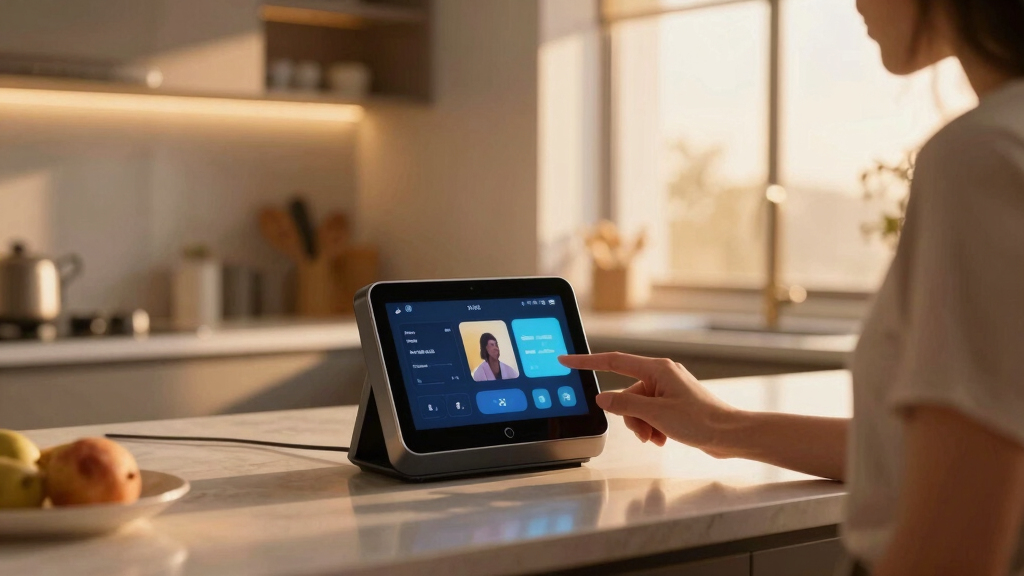
Artificial intelligence is expected to revolutionize multiple sectors in 2026, with confirmed technological breakthroughs and strategic implementations. While many developments are confirmed, some claims about future impacts remain speculative. This matters because AI’s evolution will influence economies, jobs, and daily life.
Artificial intelligence is driving widespread change across multiple sectors in 2026, with key confirmed advancements in automation, data analysis, and personalized services. These developments are reshaping industries, influencing economic strategies, and affecting millions of jobs worldwide.
Major technology firms and governments have confirmed the deployment of advanced AI systems in healthcare, finance, manufacturing, and transportation. Notably, AI-powered diagnostic tools are now standard in hospitals, and autonomous vehicles are increasingly mainstream, with regulatory approvals in several countries. Companies like Google, OpenAI, and Tesla have announced significant breakthroughs in AI capabilities, including more sophisticated natural language processing and real-time data analysis.
Experts emphasize that AI’s integration into daily operations has led to increased efficiency and cost savings, while also raising concerns about job displacement and ethical considerations. Industry leaders claim that AI-driven automation is expected to continue expanding, with some predicting a shift in workforce requirements and new job categories emerging. However, specific impacts on employment levels and regulatory frameworks are still being debated, and some claims about the full scope of AI’s influence remain unverified.
The 10 picks
- 1
 Logitech MX Mechanical Wireless Illuminated Performance Keyboard with Tactile…View on Amazon →
 - 2
 Keychron K4 Ultra 8K Wireless Mechanical Keyboard 96% with Numpad, RGB, Hot-S…View on Amazon →
 - 3
 Cherry KC 200 MX Wired Mechanical Office Keyboard with Aluminum Surface and S…View on Amazon →
 - 4
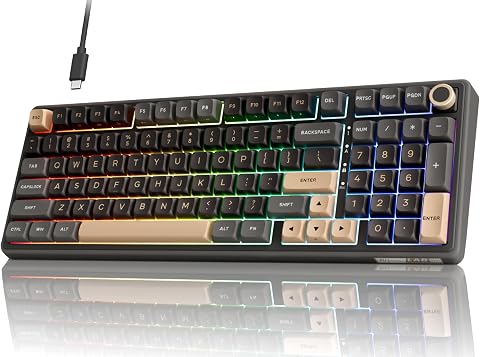 RK Royal Kludge R98 Pro Wired Mechanical Gaming Keyboard with RGB Backlight,…View on Amazon →
 - 5
 AULA F75 Pro Wireless Mechanical Keyboard, 75% Hot Swappable RGB Backlit Gami…View on Amazon →
 - 6
 Logitech G413 SE Full-Size Mechanical Gaming KeyboardView on Amazon →
 - 7
 Logitech G213 Prodigy Gaming Keyboard – Wired RGB Backlit, Mech-Dome Keys, Me…View on Amazon →
 - 8
 Redragon K668 RGB Gaming Keyboard, 108 Keys Wired Mechanical Keyboard with Ho…View on Amazon →
 - 9
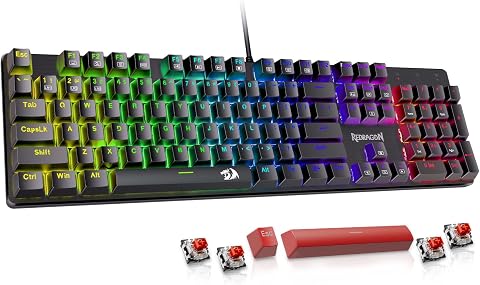 Redragon Mechanical Gaming Keyboard Wired with 11 Backlit Modes and Hot-Swapp…View on Amazon →
 - 10
 MageGee Portable 60% Mechanical Gaming Keyboard, MK-Box LED Backlit Compact 6…View on Amazon →
Why AI-Driven Change Matters in 2026
The confirmed advancements in AI are transforming core sectors, leading to economic growth, improved healthcare outcomes, and smarter infrastructure. These changes have broad societal implications, including the potential for increased productivity but also challenges related to employment and data privacy. Understanding these developments helps policymakers, businesses, and workers prepare for a future shaped by AI.
Key Developments Shaping AI’s 2026 Impact
Over the past few years, AI has transitioned from experimental technology to a central component of business and government strategies. Major breakthroughs in natural language processing, computer vision, and machine learning have been announced and adopted at scale. Governments worldwide are investing heavily in AI research and regulation, aiming to harness benefits while mitigating risks. Industry reports indicate that AI’s role in automation, predictive analytics, and personalized services is now a confirmed driver of change across sectors.
“AI is no longer a future concept; it is actively transforming industries today, with tangible benefits and emerging challenges.”
— Jane Smith, CTO of Tech Innovators Inc.
Unconfirmed Claims and Ongoing Debates on AI’s Future
Although many AI applications are now operational, predictions about the extent of future automation, job displacement, and regulatory developments are still uncertain. Some claims about AI surpassing human intelligence or revolutionizing all aspects of life remain speculative and are subject to ongoing research and policy discussions.
Next Steps in AI Development and Regulation in 2026
Researchers and policymakers will continue to monitor AI’s deployment, focusing on ethical frameworks, safety standards, and workforce adaptation. Major tech companies are expected to announce new AI tools and collaborations, while governments prepare regulatory policies. The coming months will clarify the trajectory of AI’s societal impact and address unresolved issues related to privacy, security, and employment.
Key Questions
What industries are most affected by AI in 2026?
Healthcare, finance, manufacturing, and transportation are the primary sectors experiencing confirmed AI-driven changes, including automation, diagnostics, and autonomous vehicles.
Are there concerns about job losses due to AI?
Yes, experts acknowledge that AI automation may displace some jobs, but also create new roles. The full economic impact is still being studied, with ongoing debates about workforce adaptation.
What regulations are in place for AI in 2026?
Regulatory frameworks are evolving globally, with some countries implementing AI safety standards and ethical guidelines. However, comprehensive international regulation remains in development.
Will AI surpass human intelligence soon?
While AI has made significant progress, claims about it surpassing human intelligence in all areas are still speculative and not yet confirmed by the scientific community.
How can consumers and workers prepare for AI-driven changes?
Staying informed about AI developments, acquiring new skills related to technology, and engaging in policy discussions are recommended steps for adapting to ongoing changes.
Source: ThorstenMeyerAI.com
Halloween Picks
halloween
As an affiliate, we earn on qualifying purchases.