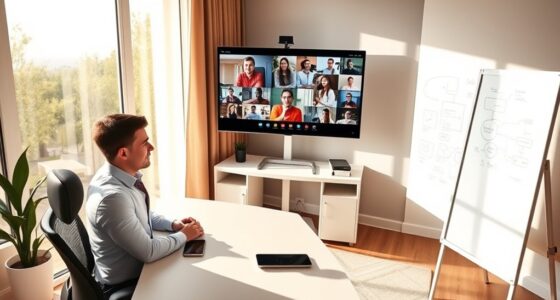
To keep your remote team secure and productive in 2026, establish a thorough laptop lifecycle plan that includes regular hardware assessments, timely upgrades, and a clear replacement schedule of every three to four years. Prioritize device security with hardware protections, biometric authentication, and encryption. Automate software updates and perform routine security audits to patch vulnerabilities. With proactive management, you can guarantee your devices stay reliable and efficient, supporting seamless remote work—if you continue, you’ll uncover even more strategies to optimize your approach.

Get business pricing on tech for your team
- Business-only prices and quantity discounts
- Tax-exempt purchasing
- Multiple users, one account, clear invoices
Key Takeaways
- Implement a structured device replacement schedule every three to four years to ensure security and hardware efficiency.
- Conduct regular hardware assessments and upgrades to address aging components and maintain optimal performance.
- Automate software updates and schedule them during non-peak hours to minimize disruptions and enhance security.
- Prioritize robust device security measures, including biometric authentication, encryption, and cybersecurity best practices.
- Maintain proactive device management with routine maintenance, security audits, and timely hardware repairs for remote teams.
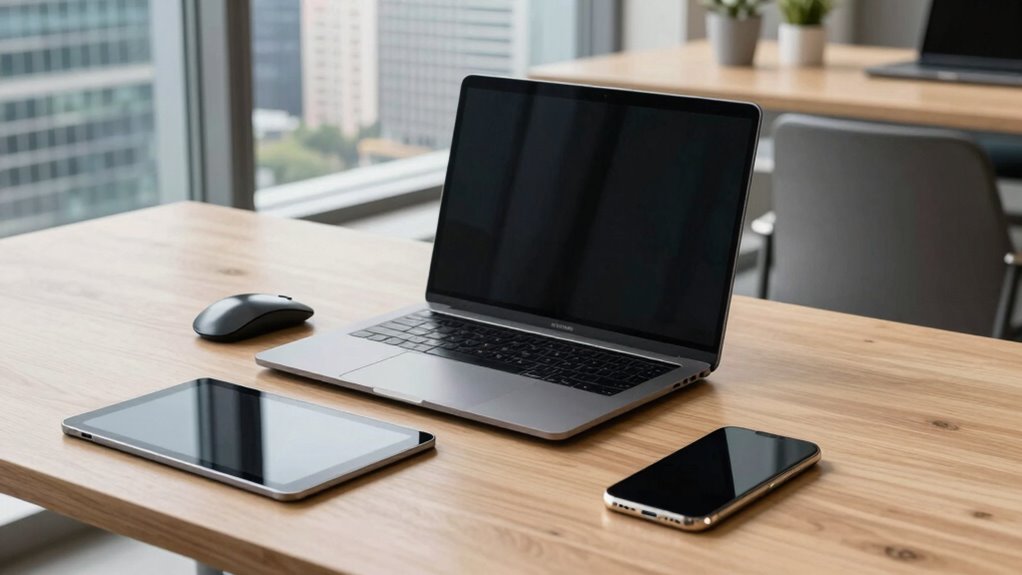
Have you ever wondered how remote teams can keep their laptops up-to-date and efficient in 2026? The secret lies in a well-structured laptop lifecycle plan that emphasizes device security and timely software updates. As a remote worker, your laptop is your primary tool for productivity, communication, and security. To guarantee it performs at its best, you need a clear strategy for maintaining, upgrading, and replacing your device.
Device security is more critical than ever. Cyber threats evolve constantly, and remote teams are prime targets due to dispersed networks and varied security practices. Your laptop should be equipped with the latest security features, including hardware-based protections, biometric authentication, and encryption. Regular security audits, combined with proactive measures like endpoint protection software, help shield sensitive data. A key part of this is guaranteeing your device’s firmware and operating system are always up-to-date. These updates patch vulnerabilities that hackers might exploit, so ignoring them puts your entire organization at risk. Staying informed about cybersecurity best practices can further strengthen your defenses. Additionally, integrating biodiversity-focused technology practices can promote environmentally sustainable cybersecurity solutions, aligning IT security with ecological responsibility.
Prioritize device security with hardware protections, biometric login, encryption, and regular updates to safeguard remote work.
Software updates are your first line of defense and productivity. They aren’t just about accessing new features; they’re essential for fixing bugs, closing security gaps, and optimizing performance. In 2026, automating updates should be standard practice. Set your system to download and install updates automatically, minimizing disruptions while ensuring your device stays secure and efficient. Keep in mind, though, that some updates may require restart or reconfiguration, so schedule them during non-peak hours to avoid interruptions. Staying current with software versions also guarantees compatibility with collaborative tools, cloud services, and other remote work essentials.
Your laptop lifecycle plan must also incorporate regular hardware assessments. Over time, components age, batteries lose capacity, and overall performance drops. Establish a timeline for evaluating hardware health—say every six months—to determine if repairs or upgrades are necessary. When performance issues arise, rather than delaying, opt for upgrades like increased RAM or SSD replacements to extend your device’s life. Additionally, understanding the importance of device longevity can help in planning timely replacements. Planning for eventual device replacement is equally important; in 2026, most organizations aim to replace laptops every three to four years to benefit from newer security features and hardware advancements. Keeping track of these factors ensures your remote team remains productive without unexpected disruptions.
Ultimately, your remote team’s success depends on proactive device management. Prioritize device security, automate software updates, and stay ahead of hardware wear and tear. This structured approach ensures your laptop remains a reliable, secure, and efficient tool, empowering you to work seamlessly from anywhere in 2026.
laptop security hardware protections
As an affiliate, we earn on qualifying purchases.
As an affiliate, we earn on qualifying purchases.
Frequently Asked Questions
How Often Should Remote Team Laptops Be Upgraded in 2026?
You should upgrade remote team laptops every three to four years to stay current with technology. This schedule allows for effective hardware refreshes, ensuring peak performance. Regular upgrades also reduce security risks and hardware failures. Additionally, pair these updates with user training to help team members maximize new features and maintain productivity. Staying proactive with refresh cycles keeps your remote team efficient, secure, and well-equipped for evolving work demands.
What Security Measures Are Essential for Remote Laptop Management?
You should implement robust security measures like encryption protocols and strong authentication methods to protect remote laptops. Use end-to-end encryption to safeguard data in transit and at rest. Combine multi-factor authentication with biometric or token-based methods to verify user identity. Regularly update security patches, disable unnecessary services, and enforce password policies. These practices guarantee your remote team’s devices stay secure against evolving cyber threats.
How Can Remote Teams Minimize Laptop Downtime and Repair Costs?
Did you know that hardware failures cause up to 20% of laptop downtime? To minimize this and repair costs, prioritize proactive hardware maintenance and regular updates. Train users on proper device handling and troubleshooting tips to prevent avoidable issues. Implement remote monitoring tools for early detection of problems, allowing quick fixes. These steps keep your team productive, reduce downtime, and save money on costly repairs.
What Are the Best Practices for Data Backup During Laptop Replacement?
To guarantee seamless data backup during laptop replacement, you should use cloud backup services regularly, which automatically save your files to secure servers. Make certain to enable encryption protocols to protect your data from unauthorized access. Before replacing your laptop, verify that all essential data has been backed up to the cloud, and confirm your backup is up-to-date. This way, you can restore your files easily on your new device without losing important information.
How Do Environmental Factors Influence Laptop Lifecycle Planning?
Ever wondered how environmental factors shape your laptop’s lifespan? You realize that environmental impact—like temperature extremes, humidity, and dust—can accelerate wear and tear, shortening its usable life. Incorporating sustainability practices, such as using eco-friendly materials and proper disposal methods, becomes essential. These considerations guarantee your devices last longer, reduce waste, and support your organization’s commitment to environmental responsibility. Planning around environmental influences helps optimize hardware performance and longevity.
As an affiliate, we earn on qualifying purchases.
Conclusion
By 2026, having a clear laptop lifecycle plan is essential for remote teams to stay productive and secure. Regular upgrades and maintenance not only extend device lifespan but also reduce downtime. Did you know that 70% of remote workers report improved efficiency when using well-maintained equipment? Implementing a strategic plan guarantees your team remains agile, secure, and ready for growth. Stay ahead by prioritizing your laptops’ lifecycle—you’ll see the benefits in performance and team morale.
automated software update tools for laptops
As an affiliate, we earn on qualifying purchases.
As an affiliate, we earn on qualifying purchases.
laptop hardware assessment tools
As an affiliate, we earn on qualifying purchases.
As an affiliate, we earn on qualifying purchases.
Halloween Picks
halloween
As an affiliate, we earn on qualifying purchases.