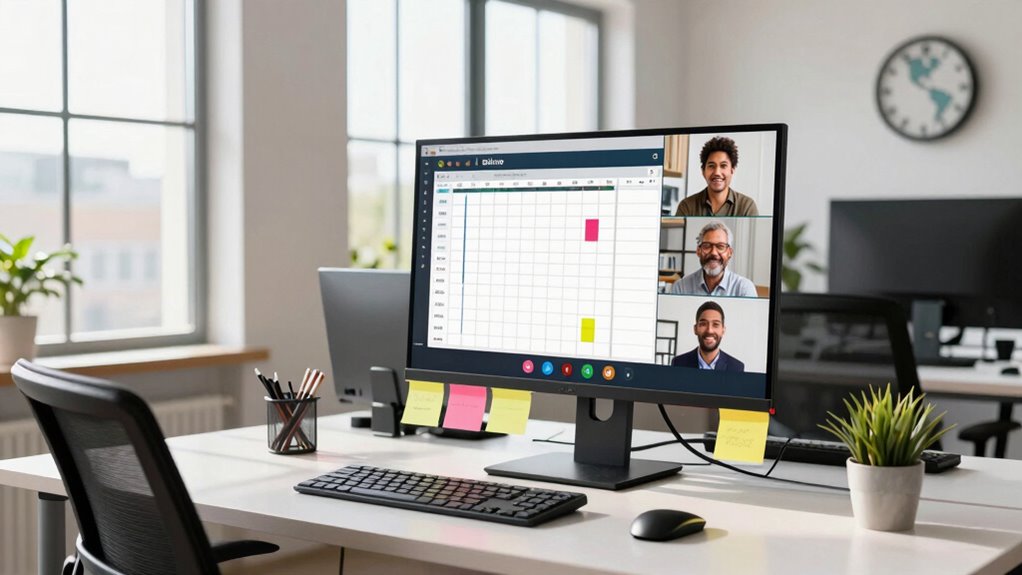

Time zones aren’t the main issue for reducing productivity in distributed teams—poor hand-offs are. When communication lacks clarity, details go missing, and expectations aren’t aligned, delays and misunderstandings happen. Using proper documentation, standardized checklists, and encouraging open, asynchronous communication can markedly improve hand-off quality. Building a culture of accountability and establishing clear processes help smooth transitions, ensuring work continues seamlessly across borders. Keep exploring to discover how these fixes can transform your team’s collaboration.

Get business pricing on tech for your team
- Business-only prices and quantity discounts
- Tax-exempt purchasing
- Multiple users, one account, clear invoices
Key Takeaways
- Clear, standardized documentation ensures seamless knowledge transfer regardless of time zone differences.
- Establish regular check-ins and shared rituals to maintain continuity and reduce miscommunication.
- Use asynchronous communication tools to accommodate different schedules and prevent delays.
- Define roles, responsibilities, and expectations explicitly to avoid handoff confusion and errors.
- Foster a culture of transparency and accountability to ensure smooth collaboration across time zones.
As an affiliate, we earn on qualifying purchases.
Why Poor Hand-Offs Are the Biggest Bottleneck in Distributed Teams

Poor hand-offs in distributed teams often become the biggest bottleneck because they disrupt workflow and cause misunderstandings. Without clear guidelines, team members may be unsure about what information to share or how to pass tasks smoothly. Using handoff handbooks helps standardize procedures, ensuring everyone knows what to include during transitions. Transition rituals, such as daily check-ins or detailed status updates, create predictable routines that reduce errors and confusion. These practices foster accountability and clarity, minimizing delays caused by unclear communication. When hand-offs are poorly managed, work gets stalled, errors increase, and team cohesion suffers. Implementing well-structured handoff tools and rituals keeps workflows seamless, allowing your team to stay aligned across time zones and maintain productivity. Additionally, understanding the importance of contrast ratio in projectors can improve the clarity of shared visual information during hand-offs, reducing misinterpretations. Ensuring consistent use of standardized procedures further enhances communication efficiency during task transitions.
A comprehensive approach to communication that includes clear documentation and feedback loops can further prevent misunderstandings and ensure continuous improvement in hand-off processes.
team collaboration documentation tools
As an affiliate, we earn on qualifying purchases.
As an affiliate, we earn on qualifying purchases.
How to Recognize Signs of Ineffective Collaboration Across Time Zones
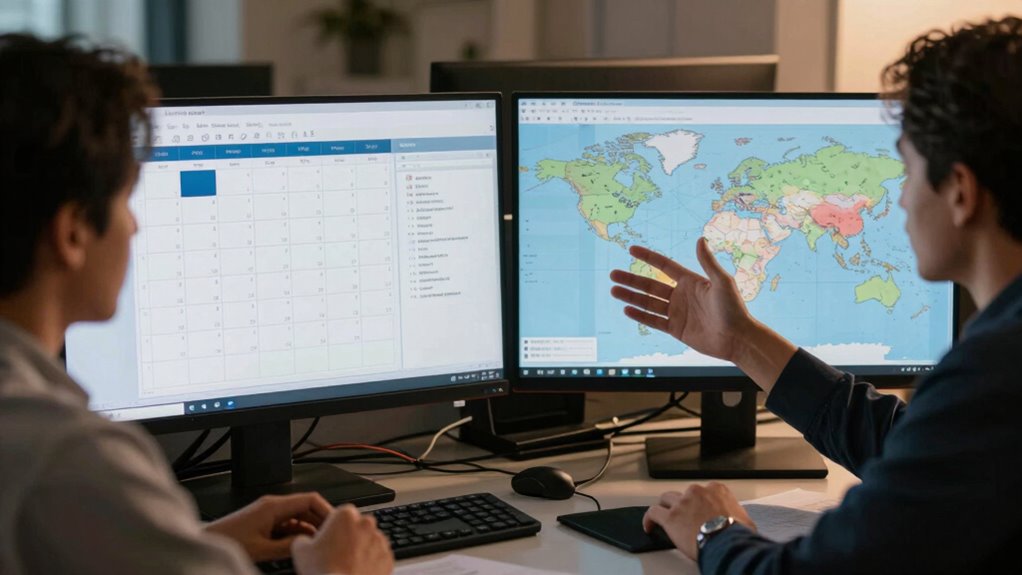
How can you tell when collaboration across time zones isn’t working effectively? You’ll notice signs like miscommunications, delays in responses, or misunderstandings during key hand-offs. Cultural differences may cause conflicting work styles or assumptions, while language barriers can lead to unclear instructions or repeated clarifications. Watch for these indicators:
- Increased back-and-forth due to misunderstandings
- Frustration or disengagement during meetings
- Tasks being delayed or needing rework because of unclear expectations
- Effective communication techniques that can help bridge gaps and improve collaboration across different time zones. Additionally, understanding cross-cultural communication strategies can mitigate misunderstandings stemming from cultural differences. Recognizing these signs early enables teams to implement communication best practices that foster clarity and trust across borders.
These signs point to deeper issues in communication and collaboration. Recognizing them early helps you address underlying problems like cultural clashes or language barriers, preventing misaligned work and ensuring smoother hand-offs across different time zones.
asynchronous communication software
As an affiliate, we earn on qualifying purchases.
As an affiliate, we earn on qualifying purchases.
What Causes Delays and Misunderstandings During Hand-Offs

Delays and misunderstandings during hand-offs often stem from unclear communication and differing expectations between team members across time zones. When handoff clarity isn’t prioritized, vital details get lost, leading to confusion and wasted time. Misaligned expectations hinder team synchronization, causing repeated questions or rework. To prevent this, clearly define roles, responsibilities, and deliverables before transitioning tasks. Use a shared framework or checklist to standardize information transfer. Here’s a quick guide:
| Issue | Solution |
|---|---|
| Unclear instructions | Use detailed, written handoff notes |
| Missing context | Include background and current status |
| Overlapping responsibilities | Clarify ownership upfront |
| Time zone misalignments | Schedule overlap meetings |
| Lack of documentation | Maintain accessible, updated records |
Focusing on these aspects ensures smoother handoffs and better team synchronization.
standardized task management system
As an affiliate, we earn on qualifying purchases.
As an affiliate, we earn on qualifying purchases.
How to Ensure Clear and Consistent Knowledge Transfer

Ensuring clear and consistent knowledge transfer is essential for maintaining productivity and avoiding costly mistakes. To prevent knowledge silos and information overload, focus on streamlining communication. Consider these strategies:
- Document processes and decisions thoroughly, making information accessible to everyone involved.
- Use standardized templates and checklists to reduce misunderstandings and guarantee consistency.
- Foster open communication channels where team members feel comfortable asking questions and clarifying details.
- Incorporate auditory processing principles to promote active engagement and reinforce understanding through interactive and collaborative methods. Additionally, selecting durable and reliable tools for documentation can help ensure that critical information remains accessible and intact over time.
Which Tools and Processes Improve Hand-Off Quality?
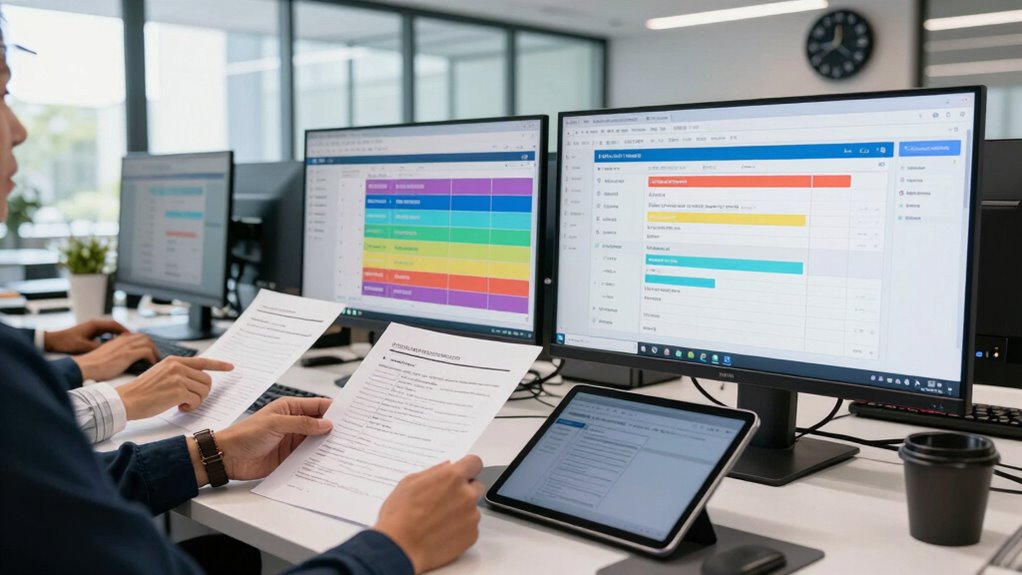
What tools and processes can you implement to enhance hand-off quality and prevent misunderstandings? Start by adopting collaborative platforms like shared task boards or document tools that keep everyone aligned. Incorporate regular check-ins to clarify expectations and address questions promptly. Emphasize cross-cultural awareness by providing team members with cultural sensitivity training, reducing miscommunications across diverse teams. Use flexible scheduling tools to accommodate different time zones, ensuring key hand-offs happen during overlapping working hours. Standardize procedures with clear templates and checklists, so each hand-off is thorough and consistent. Establish effective communication habits to foster transparency, reduce errors, and improve continuity. Incorporating inner wisdom into your communication approach can lead to more empathetic and effective interactions. Recognizing the importance of secure and reliable tools ensures that information remains protected during transitions. Combining the right tools with mindful procedures helps you create smoother transitions and maintain productivity across global teams. Additionally, leveraging best practices for specific industries can further optimize hand-off processes tailored to your team’s unique needs. Implementing clear documentation standards ensures that critical information is preserved and accessible for future reference.
Building a Culture of Accountability and Open Communication

Building a culture of accountability and open communication starts with encouraging transparency in your team. When everyone shares responsibility, tasks become clearer, and trust grows. You can foster this environment by promoting honest dialogue and collective ownership of goals. Emphasizing the importance of electric bike features can also inspire innovative ideas and shared learning within your team. Incorporating performance metrics can help track progress and reinforce accountability across projects. Additionally, leveraging AI analytics can provide real-time insights into team performance, enabling proactive adjustments and continuous improvement. Implementing holistic SEO strategies can further enhance team collaboration by aligning goals with overall organizational priorities. Developing a cybersecurity mindset among team members can further enhance overall accountability and protect sensitive information.
Encourage Transparent Communication
Transparent communication is the foundation of a culture where accountability thrives. When you promote openness, you build trust and foster stronger teamwork. Encourage your team to share updates regularly and address issues promptly. Establish clear channels for feedback, creating feedback loops that improve clarity and trust. To support this, consider:
- Setting expectations for honest, timely updates
- Recognizing transparency as a core value
- Providing safe spaces for constructive feedback
- Incorporating intricate details and craftsmanship to enhance clarity and quality in communication
- Promoting understanding of networking infrastructure to ensure team members can communicate technical issues effectively
- Leveraging smart home automation systems to facilitate seamless information sharing and monitor communication flows within teams
Cultivate Shared Responsibility
Encouraging open communication naturally leads to shared responsibility within your team. When everyone feels comfortable sharing ideas and concerns, it fosters shared accountability, where team members take ownership of their roles and outcomes. Cultivating collective ownership means each person understands how their work impacts the larger goals, motivating them to stay engaged and responsible. To build this culture, set clear expectations and encourage transparency in progress updates and challenges. Recognize contributions and hold everyone accountable without blame. When responsibility is shared, team members support each other, reducing bottlenecks caused by miscommunication or unclaimed tasks. This approach creates a sense of unity, ensuring that everyone is invested in the team’s success and that accountability isn’t just individual but a collective effort. Incorporating clear guidelines for asset management can further enhance accountability by ensuring everyone understands the standards and procedures in place. Additionally, understanding how to manage shared resources effectively can prevent conflicts and promote fairness among team members.
Best Practices for Overlapping Work Hours and Shared Documentation

To guarantee smooth collaboration across time zones, you need to coordinate overlapping work hours effectively. Keep your documentation clear and up-to-date so everyone can access the information they need without confusion. Using the right collaborative tools helps streamline communication and keeps your team aligned, no matter where they are.
Coordinate Overlapping Hours
When coordinating overlapping work hours across different time zones, establishing clear and consistent schedules is essential. This helps facilitate synchronous planning and ensures teams stay aligned. To optimize these overlapping periods, consider these best practices:
- Schedule regular cross team alignment meetings during shared hours to keep everyone on the same page.
- Use shared calendars and time zone converters to plan meetings and deadlines effectively.
- Prioritize communication during overlapping hours for quick updates, reducing delays and misunderstandings.
Maintain Clear Documentation
Maintaining clear documentation is essential for teams working across overlapping hours, as it guarantees everyone stays informed regardless of time zone differences. Prioritize handoff clarity by recording detailed updates, next steps, and decisions, so team members can easily pick up where others left off. Adhere to consistent documentation standards, including clear formatting, version control, and accessible storage, to reduce confusion. Well-organized documentation ensures that information remains accurate and up-to-date, even when team members work asynchronously. By establishing clear guidelines for documentation practices, you minimize miscommunication and smooth the handover between shifts. Ultimately, reliable and precise documentation keeps workflows seamless, eliminates ambiguity, and helps teams stay aligned—regardless of when or where they’re working.
Use Collaborative Tools
Using collaborative tools effectively is essential for teams working across different time zones, as these platforms enable real-time communication and seamless information sharing. To maximize their benefit, focus on clear practices:
- Leverage asynchronous communication to allow team members to contribute on their schedules, reducing the pressure of immediate responses.
- Use tools that provide real-time updates so everyone stays informed without constant check-ins.
- Maintain shared documentation that is consistently updated, ensuring all team members have access to the latest information regardless of time zone differences.
Turning Time Zone Challenges Into Opportunities for Continuous Workflows

Although time zone differences can seem like obstacles, they also present unique opportunities to keep work flowing around the clock. By understanding cultural nuances and timezone psychology, you can design workflows that leverage these differences instead of fighting them. For example, assign tasks that suit each team’s peak productivity hours, allowing work to continue seamlessly across borders. Embrace asynchronous communication, respecting local working hours and cultural nuances, to prevent burnout and delays. Recognize that timezone psychology influences how teams perceive work hours and responsiveness. When you tailor your approach to these dynamics, you turn potential disruptions into advantages—creating a continuous, efficient workflow that benefits from the natural cycle of global collaboration. This mindset transforms time zone challenges into strategic opportunities for productivity.
Frequently Asked Questions
How Can Teams Measure the Effectiveness of Their Hand-Offs?
To measure your team’s hand-off effectiveness, focus on handoff metrics like transfer completion time, error rates, and follow-up quality. Conduct transfer evaluations by gathering feedback from both parties involved, noting any misunderstandings or delays. Track recurring issues and analyze patterns to identify bottlenecks. Regularly review these metrics and feedback to improve processes, ensuring smooth progressions and maintaining productivity across hand-offs.
What Are Common Mistakes to Avoid in Distributed Team Communication?
You should avoid creating information silos and neglecting asynchronous updates. Make sure you share all relevant details clearly and promptly, so team members stay aligned regardless of their location or schedule. Don’t rely solely on real-time communication; instead, use asynchronous updates to keep everyone informed. This prevents misunderstandings, reduces delays, and promotes efficiency, ensuring your distributed team works cohesively without costly miscommunications.
How Does Company Culture Impact Cross-Time-Zone Collaboration?
Your company culture shapes how effectively your team collaborates across time zones by influencing communication norms and addressing cultural barriers. When your culture promotes openness and understanding, team members feel comfortable sharing ideas and clarifying misunderstandings, regardless of location. Conversely, ignoring cultural differences can lead to miscommunication and frustration. By fostering inclusive communication norms, you guarantee smooth collaboration, build trust, and overcome cultural barriers that might otherwise hinder productivity across different time zones.
What Training Methods Improve Hand-Off Skills Across Teams?
You should prioritize hands-on handoff training, which markedly boosts cross-team collaboration. Research shows that teams with structured handoff practices experience 25% fewer errors. Use role-playing exercises and real-world simulations to improve handoff skills, encouraging clear communication and accountability. Regular feedback sessions help identify gaps and reinforce best practices. By investing in effective handoff training, you guarantee smoother transitions, minimize errors, and foster stronger collaboration across your teams.
How Can Leadership Support Better Knowledge Transfer Practices?
You can support better knowledge transfer by establishing clear communication protocols that encourage open sharing and regular updates. Promote a culture that values knowledge sharing, where team members feel comfortable asking questions and documenting important information. Lead by example, consistently emphasizing the importance of effective hand-offs and providing tools or platforms that facilitate seamless information flow. This proactive approach makes certain everyone stays aligned, reducing errors and boosting overall productivity.
Conclusion
Remember, poor hand-offs, not time zones, are the real productivity killers. By improving communication and processes, you can turn time differences into opportunities for continuous workflow. Did you know that teams with effective hand-offs experience 20% fewer project delays? Focus on clear knowledge transfer and accountability, and you’ll gain smoother collaboration across borders. Embrace these strategies, and watch your team’s productivity soar, regardless of where everyone’s working from.
Fall Picks
fall essentials
As an affiliate, we earn on qualifying purchases.