

AI automation software tools are transforming how businesses and professionals streamline repetitive tasks, optimize workflows, and build intelligent systems. The best tools combine powerful AI capabilities with user-friendly interfaces, but tradeoffs often include cost, complexity, and integration flexibility. ChatGPT Enterprise stands out as the overall top pick for its balance of power and usability, while Google AI Studio offers scalable workflow creation for advanced users. However, choosing the right tool depends on your specific needs, technical skill, and budget. Keep reading for a detailed breakdown of these options and how they compare.

Get tech for your team delivered free — and shop member deals
- Fast, free delivery on millions of items
- Access to Prime Big Deal Days deals on October 6–7
- Prime Video, Amazon Music and more included
Key Takeaways
- The top-ranked tools balance ease of use with advanced customization options, making them suitable for both beginners and experts.
- Integration capability with existing platforms is a key differentiator, especially for enterprise-scale automation.
- Pricing varies widely, with premium options offering deeper features but at a higher cost, emphasizing the importance of evaluating value over price alone.
- Specialized tools like AI for testing or property management highlight niche applications, but may lack broad versatility.
- The most versatile tools often support multi-language and multi-platform workflows, appealing to diverse project needs.
| Code Revealed: A Practical Guide to AI Agents, Workflows, and Modern Application Practices |  | Best for Developers Seeking Practical AI Workflow Insights | Target Audience: Developers, AI practitioners | Coverage: AI workflows, agent integration | Depth: Conceptual, high-level | VIEW LATEST PRICE | See Our Full Breakdown |
| Mastering Claude AI: The Complete Practical Guide to Prompt Engineering, Projects, Artifacts, Claude Code, MCP, Automation, API Integration & Claude AI Mastery Series for Professionals |  | Best for AI Professionals Deepening Claude AI Mastery | Target Audience: AI professionals, automation experts | Coverage: Prompt engineering, automation, API integration | Difficulty: Advanced, professional-level | VIEW LATEST PRICE | See Our Full Breakdown |
| Learning Generative AI Tools for Excel: Speed Up Your Tasks with Microsoft Excel, Copilot, ChatGPT, and Beyond |  | Best for Business Users and Productivity Seekers | Target Audience: Business professionals, Excel users | Coverage: Copilot, ChatGPT, generative AI in Excel | Technical Detail: Basic, user-focused | VIEW LATEST PRICE | See Our Full Breakdown |
| Building Intelligent Applications with Claude AI: A Practical Guide to Creating AI-Powered Tools, Assistants, Automation Systems, and Software Products |  | Best for Developers Building AI Applications with Claude AI | Target Audience: Developers, AI enthusiasts | Coverage: AI tools, automation, application development | Difficulty: Intermediate to advanced | VIEW LATEST PRICE | See Our Full Breakdown |
| Software Testing with Generative AI |  | Best for QA Teams Exploring AI-Driven Testing Methods | Target Audience: QA professionals, testers | Coverage: AI in testing, quality assurance | Practicality: Case studies, insights | VIEW LATEST PRICE | See Our Full Breakdown |
| AI in Property Management: A Practical, Unboring Look at Artificial Intelligence in the Multifamily Industry |  | Best for Industry Professionals Seeking Practical Insights | Focus: AI applications in property management | Audience: Industry professionals, property managers | Content type: Practical overview, accessible language | VIEW LATEST PRICE | See Our Full Breakdown |
| Spec-Driven Software Testing with AI: Build Reliable Test Suites from Specifications with AI, Test Automation, TDD, API Testing, and CI/CD |  | Best for Software Engineers and Testers Seeking Technical Guidance | Focus: AI in software testing and test automation | Audience: Software engineers, QA teams | Content type: Technical guide, detailed methodology | VIEW LATEST PRICE | See Our Full Breakdown |
| AI Automation for Beginners (AI Mastery Lab) |  | Best for AI Beginners Starting Their Automation Journey | Focus: AI automation basics | Audience: Beginners, newcomers to AI | Content type: Introductory course | VIEW LATEST PRICE | See Our Full Breakdown |
| AI for Quality Assurance and Software Testing: The Practitioner’s Complete Guide to AI-Powered Testing, Tools, and Transformation |  | Best for QA Practitioners Seeking Comprehensive Guidance | Focus: AI in QA and testing transformation | Audience: QA professionals, testing managers | Content type: Strategic guide, comprehensive tools overview | VIEW LATEST PRICE | See Our Full Breakdown |
| Google AI Studio Guide 2026: Master Google AI Studio to Build Intelligent AI Workflows and Scalable Automation Solutions |  | Best for Developers Building Scalable AI Solutions | Focus: Google AI Studio workflows | Audience: Developers, data scientists | Content type: Practical guide, step-by-step instructions | VIEW LATEST PRICE | See Our Full Breakdown |
| Building AI Agents for Network Operations: Design LLM-powered NetOps workflows with Python, Ollama, MCP, and tool calling | 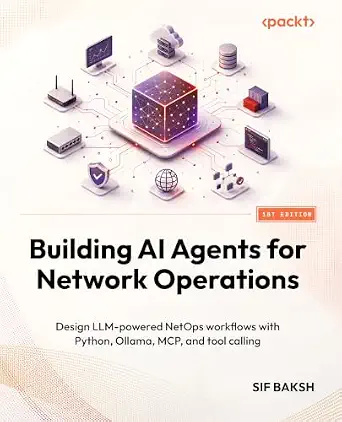 | Best for Network Operations Teams Developing Custom AI Agents | Focus Area: Network Operations | Tools Covered: Python, Ollama, MCP, Tool Calling | Workflow Type: Design and Integration | VIEW LATEST PRICE | See Our Full Breakdown |
| Claude AI Automation & Monetization: Build AI-Powered Systems, Automate Workflows, and Generate Income |  | Best for Entrepreneurs and Scale-Up AI Developers | Focus Area: AI System Monetization | AI Platform: Claude AI | Main Topics: Workflow Automation, Income Generation | VIEW LATEST PRICE | See Our Full Breakdown |
| AI automation software tool | Coverage | Target Audience | Depth | Content Type |
|---|---|---|---|---|
| Code Revealed: A Practical Gui | AI workflows, agent integration | Developers, AI practitioners | Conceptual, high-level | — |
| Mastering Claude AI: The Compl | Prompt engineering, automation, API integration | AI professionals, automation experts | — | Projects, technical guidance |
| Learning Generative AI Tools f | Copilot, ChatGPT, generative AI in Excel | Business professionals, Excel users | — | — |
| Building Intelligent Applicati | AI tools, automation, application development | Developers, AI enthusiasts | — | — |
| Software Testing with Generati | AI in testing, quality assurance | QA professionals, testers | — | — |
| AI in Property Management: A P | — | — | High-level, non-technical | Practical overview, accessible language |
| Spec-Driven Software Testing w | Test automation, TDD, API testing, CI/CD | — | Advanced, technical | Technical guide, detailed methodology |
| AI Automation for Beginners | — | — | Basic, foundational | Introductory course |
| AI for Quality Assurance and S | Tools, methodologies, transformation | — | Advanced, strategic | Strategic guide, comprehensive tools overview |
| Google AI Studio Guide 2026: M | — | — | Advanced, technical | Practical guide, step-by-step instructions |
| Building AI Agents for Network | — | — | — | — |
| Claude AI Automation & Monetiz | — | AI Entrepreneurs and Developers | — | — |
More Details on Our Top Picks
Code Revealed: A Practical Guide to AI Agents, Workflows, and Modern Application Practices
This book stands out for its comprehensive coverage of AI workflows and practical guidance tailored specifically for developers. Compared with the more technical Building Intelligent Applications with Claude AI, it offers a broader overview but lacks detailed code samples, which can be a drawback for those seeking step-by-step implementation. Its focus on real-world AI agent integration makes it ideal for practitioners who want a solid conceptual foundation without getting bogged down in complex coding examples. The absence of detailed technical samples means users might need supplementary resources for hands-on development.
Pros:- Comprehensive coverage of AI workflows and best practices
- Practical guidance tailored for developers
- Focus on real-world AI agent integration
Cons:- Lacks detailed technical or code examples
- No included code samples, which may hinder hands-on learning
Best for: Developers looking for a high-level, practical overview of AI workflows and agent integration
Not ideal for: Beginner programmers or those requiring detailed code examples and technical step-by-step instructions
- Target Audience:Developers, AI practitioners
- Coverage:AI workflows, agent integration
- Depth:Conceptual, high-level
- Technical Detail:Limited, no code samples
Our verdict“This guide suits experienced developers seeking a practical, broad understanding of AI workflows without detailed coding tutorials.”
Mastering Claude AI: The Complete Practical Guide to Prompt Engineering, Projects, Artifacts, Claude Code, MCP, Automation, API Integration & Claude AI Mastery Series for Professionals
This guide makes the most sense for seasoned AI professionals who want to deepen their expertise with Claude AI, especially in prompt engineering, automation, and API integration. Compared with Building Intelligent Applications with Claude AI, it offers more hands-on projects and covers advanced topics, but its complexity may be overwhelming for beginners. Its comprehensive scope ensures users can implement end-to-end solutions, yet the lack of clear pricing details and customer ratings makes it harder to gauge its value upfront. It is a valuable resource for those committed to mastering Claude AI at a professional level.
Pros:- Extensive coverage of Claude AI topics and tools
- Includes practical projects and automation techniques
- Designed for professionals seeking advanced skills
Cons:- No specific pricing or user ratings available
- Content may be too complex for beginners
Best for: AI developers and automation specialists aiming for deep mastery of Claude AI features
Not ideal for: Beginners or users seeking introductory material with simpler concepts
- Target Audience:AI professionals, automation experts
- Coverage:Prompt engineering, automation, API integration
- Difficulty:Advanced, professional-level
- Content Type:Projects, technical guidance
Our verdict“This book is ideal for experienced AI practitioners wanting an in-depth, project-based mastery of Claude AI features.”
Learning Generative AI Tools for Excel: Speed Up Your Tasks with Microsoft Excel, Copilot, ChatGPT, and Beyond
This guide is tailored for professionals who want to leverage AI tools like Copilot and ChatGPT to enhance their Excel workflows. Compared with the more technical Building Intelligent Applications with Claude AI, it offers accessible insights without deep technical details, making it suitable for users focused on productivity rather than development. While it effectively highlights how to speed up tasks, it lacks detailed instructions on specific features or technical setup, limiting its usefulness for advanced users seeking comprehensive technical guidance. It’s a practical resource for non-developers who want quick wins in Excel productivity.
Pros:- Practical insights into AI tools for Excel
- Helps improve efficiency with familiar AI applications
- Easy-to-understand guidance for non-technical users
Cons:- No detailed technical instructions or deep feature breakdowns
- Lacks specific product features or technical specifications
Best for: Business professionals and Excel users seeking quick productivity enhancements with AI
Not ideal for: Advanced developers or those requiring in-depth technical setup instructions
- Target Audience:Business professionals, Excel users
- Coverage:Copilot, ChatGPT, generative AI in Excel
- Technical Detail:Basic, user-focused
- Purpose:Productivity enhancement
Our verdict“This book is perfect for Excel users who want to quickly incorporate AI tools for productivity without complex technical details.”
Building Intelligent Applications with Claude AI: A Practical Guide to Creating AI-Powered Tools, Assistants, Automation Systems, and Software Products
This book provides a thorough roadmap for developers eager to create AI-powered applications using Claude AI. Unlike the more general Mastering Claude AI, it emphasizes practical implementation and building actual tools, making it ideal for those with some technical background. However, its lack of explicit prerequisites and the density of the content may challenge complete beginners. If you’re aiming to develop custom AI assistants or automation systems, this guide offers detailed strategies, but it might require supplementary resources for full comprehension.
Pros:- Focused on practical development of AI tools and systems
- Comprehensive guidance on creating AI-powered applications
- Suitable for developers and AI builders
Cons:- No explicit technical prerequisites mentioned
- Content can be dense for newcomers
Best for: Developers and AI enthusiasts focused on building practical AI applications with Claude AI
Not ideal for: Absolute beginners without prior technical experience or programming background
- Target Audience:Developers, AI enthusiasts
- Coverage:AI tools, automation, application development
- Difficulty:Intermediate to advanced
- Focus:Practical implementation
Our verdict“This guide is well-suited for developers seeking detailed, application-focused instructions on building with Claude AI.”
Software Testing with Generative AI
This book offers valuable insights into how generative AI can transform software testing, with case studies illustrating innovative testing approaches. Compared with technical guides like Code Revealed, it emphasizes practical applications in quality assurance rather than development workflows. While it provides useful concepts and case examples, the limited details on specific tools or software might restrict immediate implementation for teams seeking ready-to-use solutions. Nonetheless, it’s a meaningful resource for QA professionals exploring AI’s potential in testing environments.
Pros:- Highlights innovative AI-driven testing approaches
- Includes practical case studies
- Provides strategic insights into AI in QA
Cons:- Limited information on specific testing tools
- No customer reviews or software recommendations
Best for: Quality assurance teams interested in AI-driven testing methodologies
Not ideal for: Developers looking for technical implementation guides or tool-specific instructions
- Target Audience:QA professionals, testers
- Coverage:AI in testing, quality assurance
- Practicality:Case studies, insights
- Tools Mentioned:Limited, unspecified
Our verdict“This book is best for QA teams seeking to understand AI’s potential to improve testing processes through innovative methods.”
AI in Property Management: A Practical, Unboring Look at Artificial Intelligence in the Multifamily Industry
This book stands out for providing a clear, accessible overview of how AI is transforming property management, especially in the multifamily sector. Compared with technical guides like Spec-Driven Software Testing with AI, it focuses on real-world applications rather than intricate technical details, making it ideal for industry practitioners. While it offers valuable insights, it lacks technical depth and detailed case studies, which limits its usefulness for those seeking implementation specifics. This pick is perfect for property managers and real estate professionals wanting an approachable introduction to AI’s industry impact without the complexity of code or algorithms.
Pros:- Accessible and engaging overview of AI in property management
- Provides real-world industry insights
- Easy-to-understand language for non-technical professionals
- Highlights practical applications of AI tools in the industry
Cons:- Lacks technical depth for developers or AI specialists
- No detailed case studies or implementation guides
- Limited content for those seeking deep technical understanding
Best for: Property managers and multifamily industry professionals interested in practical AI applications
Not ideal for: Technical developers or AI engineers seeking detailed algorithms and implementation guidance
- Focus:AI applications in property management
- Audience:Industry professionals, property managers
- Content type:Practical overview, accessible language
- Depth:High-level, non-technical
- Use case coverage:Industry insights, practical applications
- Format:Book
Our verdict“This book is ideal for industry professionals looking for a broad, practical overview of AI’s role in property management.”
Spec-Driven Software Testing with AI: Build Reliable Test Suites from Specifications with AI, Test Automation, TDD, API Testing, and CI/CD
This book excels in covering comprehensive AI-driven testing techniques, making it a strong choice for software engineers and quality assurance teams. Unlike AI Automation for Beginners, which introduces foundational concepts, this guide dives into detailed methodologies like test automation, TDD, and CI/CD pipelines, providing a technical roadmap for building reliable test suites. However, the content can be dense and challenging for newcomers without prior testing experience. This pick is ideal for professionals who want to enhance their testing processes with AI and specification-driven automation, but less so for beginners or those seeking high-level overviews.
Pros:- Comprehensive coverage of AI in testing
- Includes practical guidance on test automation and CI/CD
- Detailed explanations of specification-driven testing
- Suitable for technical teams looking to improve test reliability
Cons:- Content may be too technical for beginners
- No quick-start or simplified overview
- Limited focus on non-technical stakeholders
Best for: Software engineers, QA specialists, and automation testers looking for technical, in-depth guidance
Not ideal for: Beginners unfamiliar with testing frameworks or automation pipelines
- Focus:AI in software testing and test automation
- Audience:Software engineers, QA teams
- Content type:Technical guide, detailed methodology
- Coverage:Test automation, TDD, API testing, CI/CD
- Depth:Advanced, technical
- Format:Book
Our verdict“This book makes the most sense for experienced software testers and developers aiming to implement AI-driven testing at a technical level.”
AI Automation for Beginners (AI Mastery Lab)
This course is designed to introduce newcomers to AI automation, focusing on foundational concepts and practical skills. Compared with AI for Quality Assurance and Software Testing, which assumes some familiarity with testing, this pick is tailored for those just beginning to explore AI’s potential. It offers a practical approach but lacks detailed course content descriptions, making it harder to gauge its depth and effectiveness. This makes the most sense for learners seeking an entry point into AI automation without prior experience, though it may fall short for those wanting comprehensive, in-depth instruction.
Pros:- Provides a clear introduction to AI automation concepts
- Suitable for complete beginners
- Practical approach to basic automation skills
- Accessible language and structure
Cons:- Limited detail on course content and duration
- No user reviews or feedback available
- May lack depth for serious learners
Best for: Beginners and professionals new to AI automation looking for a solid foundational course
Not ideal for: Experienced AI practitioners or developers seeking advanced technical training
- Focus:AI automation basics
- Audience:Beginners, newcomers to AI
- Content type:Introductory course
- Depth:Basic, foundational
- Format:Online course
- Level:Beginner
Our verdict“This course makes the most sense for newcomers seeking a straightforward introduction to AI automation fundamentals.”
AI for Quality Assurance and Software Testing: The Practitioner’s Complete Guide to AI-Powered Testing, Tools, and Transformation
This book offers an extensive overview of AI integration into quality assurance and testing, making it highly valuable for practitioners who want a broad understanding of current tools and methodologies. Unlike Spec-Driven Software Testing with AI, which emphasizes testing techniques, this guide emphasizes transformation strategies and the latest AI-powered tools, providing a strategic angle. The lack of detailed case studies and the technical depth may challenge beginners, but seasoned QA teams will find its content highly relevant. This pick is best suited for QA professionals aiming to lead AI-driven testing initiatives and transformations.
Pros:- Comprehensive coverage of AI tools and methodologies
- Includes latest industry tools and practices
- Guides strategic transformation in testing processes
- Practical guidance for practitioners
Cons:- Lacks detailed case studies for real-world examples
- Highly technical, potentially intimidating for beginners
- Focuses more on strategy than step-by-step implementation
Best for: Quality assurance practitioners and testing managers aiming to adopt AI tools and methodologies
Not ideal for: Developers or testers without practical QA background or those seeking quick, simple tutorials
- Focus:AI in QA and testing transformation
- Audience:QA professionals, testing managers
- Content type:Strategic guide, comprehensive tools overview
- Depth:Advanced, strategic
- Coverage:Tools, methodologies, transformation
- Format:Book
Our verdict“This book is ideal for experienced QA practitioners seeking a broad, strategic overview of AI’s role in testing and quality assurance.”
Google AI Studio Guide 2026: Master Google AI Studio to Build Intelligent AI Workflows and Scalable Automation Solutions
This guide provides a detailed roadmap to mastering Google AI Studio, making it invaluable for developers and data scientists aiming to build scalable, intelligent AI workflows. Compared with AI Automation for Beginners, which offers foundational knowledge, this book dives into practical, step-by-step instructions for creating sophisticated automation solutions. Its focus on Google’s platform makes it less versatile for those using alternative tools, but for those committed to Google AI Studio, it offers comprehensive insights. This choice is best for technical users ready to develop large-scale AI pipelines using Google’s platform.
Pros:- Comprehensive step-by-step instructions
- Focuses on building scalable, production-ready workflows
- Practical insights into Google AI Studio features
- Suitable for developers aiming for enterprise-scale solutions
Cons:- No detailed specifications or platform alternatives
- Content may be too technical for hobbyists
- Requires prior familiarity with AI workflows
Best for: Developers and data scientists focused on building scalable AI workflows in Google AI Studio
Not ideal for: Beginners or users exploring other AI platforms without prior Google AI Studio experience
- Focus:Google AI Studio workflows
- Audience:Developers, data scientists
- Content type:Practical guide, step-by-step instructions
- Depth:Advanced, technical
- Platform:Google AI Studio
- Scope:Scalable automation solutions
Our verdict“This book makes the most sense for technical professionals committed to Google AI Studio for large-scale automation projects.”
Building AI Agents for Network Operations: Design LLM-powered NetOps workflows with Python, Ollama, MCP, and tool calling
This book stands out for its detailed guidance on creating AI agents specifically tailored for network operations, making it a valuable resource for professionals aiming to automate and optimize NetOps workflows. Unlike broader AI automation guides like ‘Claude AI Automation & Monetization,’ which focus on monetization strategies, this title dives into the technical integration of LLMs with tools such as Python, Ollama, and MCP. Its comprehensive workflows help teams streamline network management, but it lacks detailed technical prerequisites and doesn’t include customer reviews, which could leave some users uncertain about compatibility and setup complexity.
Compared to ‘Claude AI Automation & Monetization,’ which is more strategic and business-focused, this guide emphasizes practical implementation in a specialized domain. The absence of explicit specs may hinder those unfamiliar with the required technical environment.
Pros:- Provides a clear, step-by-step approach to designing AI agents for network tasks
- Includes practical workflows and examples of tool integrations
- Focuses specifically on NetOps, making it highly relevant for network teams
Cons:- Lacks detailed technical specifications or prerequisites
- No customer reviews or ratings to validate real-world applicability
- Potentially steep learning curve for those unfamiliar with the involved tools
Best for: Network engineers and operations teams seeking practical, hands-on guidance for deploying AI agents in complex NetOps environments.
Not ideal for: Beginners in AI or professionals seeking high-level strategic frameworks without technical specifics, due to the lack of prerequisites and detailed instructions.
- Focus Area:Network Operations
- Tools Covered:Python, Ollama, MCP, Tool Calling
- Workflow Type:Design and Integration
- Intended Audience:NetOps Teams
- Technical Prerequisites:Basic knowledge of Python and network management
Our verdict“This book is best suited for network professionals looking for practical, domain-specific guidance on AI agent implementation but may be less helpful for beginners or those needing detailed technical setup instructions.”
Claude AI Automation & Monetization: Build AI-Powered Systems, Automate Workflows, and Generate Income
This book makes the most sense for readers who want to leverage Claude AI to build scalable AI systems that generate income, setting it apart from more technical guides like the ‘Building AI Agents for Network Operations’ book. Its focus on monetization and practical system creation appeals to entrepreneurs and AI developers looking to turn automation into revenue streams. However, it assumes familiarity with AI concepts and skips detailed technical instructions, which could frustrate beginners. Its content is more advanced, making it less suitable for newcomers who need foundational guidance.
Compared with ‘Building AI Agents for Network Operations,’ which emphasizes technical workflows, this title centers on business outcomes and monetization strategies, making it ideal for scaling AI projects. The lack of step-by-step technical details means users need prior knowledge to implement the advice effectively.
Pros:- Provides comprehensive strategies for building monetizable AI systems
- Focuses on practical, revenue-oriented use cases with Claude AI
- Guides readers through scaling AI projects for income generation
Cons:- Lacks detailed technical instructions for implementation
- Requires familiarity with AI and Claude AI concepts
- Content may be too advanced for absolute beginners
Best for: AI developers and entrepreneurs aiming to monetize AI workflows and create income-generating systems with Claude AI.
Not ideal for: Beginners or users seeking detailed technical setup instructions, as the book assumes prior AI knowledge and skips granular implementation steps.
- Focus Area:AI System Monetization
- AI Platform:Claude AI
- Main Topics:Workflow Automation, Income Generation
- Target Audience:AI Entrepreneurs and Developers
- Prerequisites:Familiarity with AI concepts and Claude AI
Our verdict“This book is ideal for experienced AI developers ready to focus on monetization and scaling AI systems, but less suited for newcomers seeking technical step-by-step guidance.”

How We Picked
Our evaluation focused on performance, usability, integration capabilities, and value, ensuring the selected tools meet real-world automation needs. We prioritized products with a proven track record, active development, and wide adoption across industries. Tools were ranked based on how well they simplify complex tasks, support customization, and scale to different user types—from beginners to advanced professionals. Cost-effectiveness and ongoing support also played key roles in determining the top picks.
This approach ensures the lineup covers a range of use cases, from simple automation to enterprise-level AI workflows, helping readers make informed decisions aligned with their technical skills and project scope.
| AI automation software tool | Target Audience | Depth | Content Type | Focus |
|---|---|---|---|---|
| Code Revealed: A Practical Gui | Developers, AI practitioners | Conceptual, high-level | — | — |
| Mastering Claude AI: The Compl | AI professionals, automation experts | — | Projects, technical guidance | — |
| Learning Generative AI Tools f | Business professionals, Excel users | — | — | — |
| Building Intelligent Applicati | Developers, AI enthusiasts | — | — | Practical implementation |
| Software Testing with Generati | QA professionals, testers | — | — | — |
| AI in Property Management: A P | — | High-level, non-technical | Practical overview, accessible language | AI applications in property management |
| Spec-Driven Software Testing w | — | Advanced, technical | Technical guide, detailed methodology | AI in software testing and test automation |
| AI Automation for Beginners | — | Basic, foundational | Introductory course | AI automation basics |
| AI for Quality Assurance and S | — | Advanced, strategic | Strategic guide, comprehensive tools overview | AI in QA and testing transformation |
| Google AI Studio Guide 2026: M | — | Advanced, technical | Practical guide, step-by-step instructions | Google AI Studio workflows |
| Building AI Agents for Network | — | — | — | — |
| Claude AI Automation & Monetiz | AI Entrepreneurs and Developers | — | — | — |
Factors to Consider When Choosing AI Automation Software Tools
Choosing the right AI automation software involves more than just features. You need to consider how well the tool integrates with your existing systems, its ease of use, scalability, and support options. Understanding these factors helps avoid costly mismatches and ensures your investment delivers real value.Ease of Use and Learning Curve
Evaluate whether the platform offers an intuitive interface, clear documentation, and community support. Beginners should prioritize tools with guided workflows and minimal setup complexity, while experienced users may prefer platforms that allow deep customization and scripting. A steep learning curve can delay results and increase costs, so balance your technical skills with the tool’s complexity.
Integration and Compatibility
Check if the software seamlessly connects with your existing tools, APIs, and data sources. For example, if you’re automating workflows for software testing, compatibility with CI/CD pipelines is essential. Poor integration limits automation potential and can create bottlenecks, making this a critical factor in selecting a suitable tool.
Scalability and Flexibility
Consider whether the software can grow with your needs. Scalable platforms support larger datasets, more complex workflows, and multi-user environments. Flexibility in customization and scripting languages also matters if your automation requires tailored solutions. Investing in scalable tools prevents future migration costs and limitations.
Pricing and Total Cost of Ownership
Pricing models vary from subscription tiers to enterprise licenses. Look beyond initial costs to factor in maintenance, training, and support expenses. Cheaper tools might lack essential features or scalability, while premium options deliver more value for large-scale or mission-critical automation. Assess your budget against your automation ambitions to find the right balance.
Support and Community
Active support channels, comprehensive documentation, and vibrant user communities can significantly reduce troubleshooting time. For complex automation projects, reliable vendor support and peer resources help ensure smooth implementation and ongoing operation, especially if technical challenges arise.
Security and Data Privacy
Automation tools handle sensitive data, making security a priority. Verify if the vendor complies with relevant standards, offers encryption, and provides user access controls. Overlooking security can expose your organization to risks, so prioritize tools that safeguard your workflows and data integrity.
Frequently Asked Questions
How do I choose between a simple automation tool and a more advanced AI platform?
If your needs are straightforward, like automating repetitive tasks without complex logic, a simple tool with a user-friendly interface will suffice. For more sophisticated workflows, such as integrating AI models or customizing multi-step processes, an advanced platform offers the flexibility and features necessary. Consider your technical skills, project complexity, and future expansion plans when making this choice.
Can these AI automation tools integrate with existing enterprise systems?
Many of the top tools support integration with popular enterprise platforms via APIs, plugins, or native connectors. However, the level of compatibility varies, and some tools are better suited for specific environments like cloud services, CRMs, or data warehouses. Always verify integration capabilities beforehand to avoid workflow bottlenecks or the need for additional development work.
Are AI automation tools suitable for small businesses or startups?
Yes, many tools are designed with scalability in mind and offer affordable entry points, making them accessible for smaller teams. Look for options that provide essential features without overwhelming complexity, along with flexible pricing tiers. This approach allows startups to automate key processes without a large upfront investment, while still having room to grow.
What are the common pitfalls when selecting AI automation software?
One common mistake is prioritizing features over usability, resulting in tools that are difficult to implement or maintain. Overlooking integration needs can create siloed workflows, while ignoring scalability limits may cause future bottlenecks. Additionally, choosing overly expensive solutions without clear ROI can strain budgets. Careful evaluation of these factors helps avoid costly missteps.
How important is vendor support and community when choosing an AI automation tool?
Vendor support and an active user community are vital for troubleshooting, learning, and ongoing optimization. Especially for complex automation, having access to reliable help reduces downtime and accelerates deployment. Platforms with robust support resources tend to offer better longevity and adaptability, making them safer investments in the long run.
Conclusion
The best overall AI automation software tools in 2026 balance power, ease of use, and scalability. ChatGPT Enterprise makes a strong case for most users, offering comprehensive automation capabilities with accessible interfaces. For those prioritizing value, Google AI Studio delivers scalable workflows at a competitive price point. Beginners should consider tools like AI Automation for Beginners that simplify setup, while enterprises with complex needs might lean toward premium solutions with extensive customization options. Your ideal choice depends on your technical skills, project scope, and budget.
Fall Picks
fall essentials
As an affiliate, we earn on qualifying purchases.