

When exploring AI tools for sports analytics, the options range from comprehensive platforms to specialized data science tools. The best overall pick is Sports Insights Pro, offering a balanced mix of accuracy, ease of use, and integration flexibility. For those focused on improving athlete performance, AI in Action stands out with its predictive modeling capabilities. Meanwhile, beginners might find Sports Analytics for Beginners more accessible, though it sacrifices some advanced features. The main tradeoffs involve balancing cost, complexity, and depth of insights. Keep reading to explore these options in detail and discover which AI tool best fits your specific sports analytics goals.

Get business pricing on tech for your team
- Business-only prices and quantity discounts
- Tax-exempt purchasing
- Multiple users, one account, clear invoices
Key Takeaways
- Top-ranked tools excel in user interface and integration capabilities, making them accessible for both technical and non-technical users.
- Advanced features like predictive modeling and real-time analytics are concentrated in premium options, often at a higher cost.
- Specialized tools tailored for coaching and athlete optimization tend to offer more actionable insights compared to general data platforms.
- Ease of use remains a key differentiator, with beginner-focused tools sacrificing some depth for simplicity.
- Cost and complexity are inversely related; choosing the right balance depends on your team’s technical skills and budget.
| Sports Analytics: A Guide for Coaches, Managers, and Other Decision Makers | 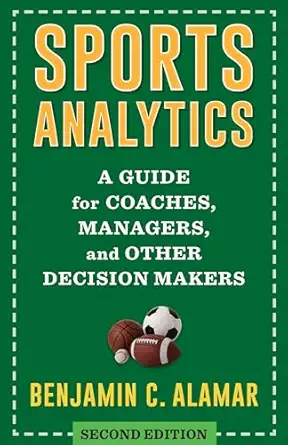 | Best for Practical Decision-Making in Sports | Pages: 350 | Publication Year: 2018 | Focus: Decision-making in sports | VIEW LATEST PRICE | See Our Full Breakdown |
| Game, Set, AI: How Artificial Intelligence is Changing Tennis |  | Best for Tennis Enthusiasts and Sports Tech Fans | Pages: 280 | Publication Year: 2022 | Focus: AI in tennis | VIEW LATEST PRICE | See Our Full Breakdown |
| Sports Analytics for Beginners: A Simple Guide to Understanding Data, Metrics, and AI in Sports |  | Best for Newcomers to Sports Analytics | Pages: 150 | Publication Year: 2021 | Focus: Introductory sports analytics | VIEW LATEST PRICE | See Our Full Breakdown |
| Sports Analytics: A Guide for Coaches, Managers, and Other Decision Makers |  | Best for Practical Decision-Making in Sports | Pages: 400 | Publication Year: 2020 | Focus: Sports decision-making | VIEW LATEST PRICE | See Our Full Breakdown |
| Insights from Sports Analytics |  | Best for Data-Driven Sports Fans and Analysts | Pages: 320 | Publication Year: 2023 | Focus: Practical sports analytics insights | VIEW LATEST PRICE | See Our Full Breakdown |
| AI in Action: The Future of Sports Analytics and Athlete Optimization |  | Best for Future-Focused Sports Teams | Format: Digital & Print | Target Audience: Sports management, coaches | Focus Area: Athlete optimization, future trends | VIEW LATEST PRICE | See Our Full Breakdown |
| Game Changer: The Power of Sports Analytics – From Player Metrics to Business Strategy |  | Best for Business-Oriented Sports Professionals | Format: Paperback | Target Audience: Sports executives, managers | Coverage: Player metrics, business strategy | VIEW LATEST PRICE | See Our Full Breakdown |
| Football Analytics with Python & R: Learning Data Science Through the Lens of Sports |  | Best for Aspiring Sports Data Scientists | Format: Paperback | Target Audience: Aspiring sports data scientists | Languages Covered: Python, R | VIEW LATEST PRICE | See Our Full Breakdown |
| Sports Analytics in Python |  | Best for Technical Practitioners | Format: Hardcover & Kindle | Target Audience: Data analysts, programmers | Programming Language: Python | VIEW LATEST PRICE | See Our Full Breakdown |
| Mastering Data-Driven Sports Betting: Build Predictive Models, Analyze Odds, and Win with Proven Strategies |  | Best for Sports Bettors Looking to Sharpen Strategies | Format: Paperback | Target Audience: Sports bettors, data analysts | Focus Area: Predictive modeling, odds analysis | VIEW LATEST PRICE | See Our Full Breakdown |
| Smarter Sports Betting with ChatGPT: A Beginner’s Guide to Winning with AI |  | Best for Beginners | Target Audience: Beginners in sports betting | Focus: Strategic betting insights | Complexity: Low; introductory level | VIEW LATEST PRICE | See Our Full Breakdown |
| AI in Sports: Analytics Tools for Performance Enhancement |  | Best for Performance Optimization | Coverage: Performance tracking and enhancement | Target Audience: Athletes and coaches with some analytics background | Content Focus: Data-driven performance strategies | VIEW LATEST PRICE | See Our Full Breakdown |
| Data-Driven Sports Betting Science: Advanced Methods in Sports Analytics, Risk Management, and Predictive Modeling |  | Best for Advanced Bettors and Analysts | Content Focus: Predictive modeling, risk management | Target Audience: Advanced bettors and sports data analysts | Technical Depth: High | VIEW LATEST PRICE | See Our Full Breakdown |
More Details on Our Top Picks
Sports Analytics: A Guide for Coaches, Managers, and Other Decision Makers
This book stands out for its focus on applying sports analytics directly to coaching and management decisions. Unlike more technical texts like “Sports Analytics in Python,” it emphasizes strategic insights tailored for decision-makers, making complex data accessible for leadership roles. However, it may fall short for readers seeking in-depth statistical methods or coding skills. The emphasis on real-world applications helps teams translate analytics into game-day strategies, but it might be too surface-level for data scientists looking for advanced techniques.
Pros:- Clear focus on decision-making processes in sports contexts
- Practical examples tailored to coaching and management roles
- Accessible language for non-technical readers
Cons:- Limited coverage of advanced analytics techniques
- Lacks detailed statistical or coding instructions
Best for: Sports coaches, team managers, and athletic directors seeking actionable insights without deep technical complexity
Not ideal for: Data analysts or sports data scientists wanting advanced statistical methods or coding tutorials
- Pages:350
- Publication Year:2018
- Focus:Decision-making in sports
- Target Audience:Coaches, managers, sports executives
- Approach:Strategic, practical
- Content Type:Book
Bottom line: This is the ideal pick for sports decision-makers seeking a pragmatic guide to applying analytics in real-world coaching and management scenarios.
Game, Set, AI: How Artificial Intelligence is Changing Tennis
This book shines by illustrating how AI is transforming tennis, from player performance analysis to match strategy, making it more engaging than broader guides like “Insights from Sports Analytics.” It offers specific examples relevant to tennis coaches, players, and fans interested in AI innovations. Yet, compared with the more comprehensive “Sports Analytics: A Guide for Coaches,” it focuses narrowly on tennis, which may limit its usefulness for those seeking general sports analytics knowledge. The detailed case studies make it ideal for tennis professionals eager to leverage AI, but casual readers might find the technical discussions dense.
Pros:- In-depth exploration of AI applications specific to tennis
- Real-world case studies and examples
- Accessible explanations of complex AI techniques
Cons:- Limited to tennis; not suitable for other sports
- Technical depth might be challenging for beginners
Best for: Tennis coaches, sports technology enthusiasts, and players interested in AI-driven training tools
Not ideal for: Fans or professionals seeking broad sports analytics insights beyond tennis
- Pages:280
- Publication Year:2022
- Focus:AI in tennis
- Target Audience:Tennis coaches, players, sports tech fans
- Approach:Case studies, technical explanations
- Content Type:Book
Bottom line: This book makes the most sense for tennis professionals and enthusiasts eager to understand AI’s role in modern tennis strategies.
Sports Analytics for Beginners: A Simple Guide to Understanding Data, Metrics, and AI in Sports
This entry makes the list for its straightforward approach to introducing sports analytics concepts, making it suitable for newcomers who find “AI in Action” too technical. Unlike the more specialized “Sports Analytics: A Guide for Coaches,” it emphasizes foundational understanding over strategic detail, which is ideal for readers starting out. However, the lack of detailed specifications and limited scope might leave advanced users wanting more depth. Its clear explanations help demystify data and AI, but it doesn’t delve into practical implementations or coding, which could be a drawback for those eager to apply skills immediately.
Pros:- Excellent introduction to basic data concepts in sports
- Simple language makes complex ideas accessible
- Good starting point for understanding AI basics
Cons:- Missing detailed technical specifications and advanced content
- Limited depth for experienced users
Best for: Sports enthusiasts and students new to data analytics in sports
Not ideal for: Experienced analysts or professionals seeking advanced analytics techniques and technical guidance
- Pages:150
- Publication Year:2021
- Focus:Introductory sports analytics
- Target Audience:Students, new sports data enthusiasts
- Approach:Simplified explanations
- Content Type:Book
Bottom line: This is a solid choice for beginners eager to grasp the fundamentals of sports data and AI, but it won’t satisfy those looking for hands-on technical expertise.
Sports Analytics: A Guide for Coaches, Managers, and Other Decision Makers
This version of the guidebook is tailored for sports professionals focused on integrating analytics into coaching and management, similar in scope to the earlier edition but with updated insights. Compared to “Game, Set, AI,” which zeroes in on tennis, this broader resource covers multiple sports, making it more versatile. Its strength lies in its targeted strategies for decision-making, but it may not satisfy analysts seeking detailed statistical methodologies. The focus on application rather than technical depth makes it accessible, yet it might leave data scientists wanting more rigorous analysis techniques.
Pros:- Targeted resource for sports professionals making data-driven decisions
- Covers analytics strategies specific to coaching and management
- Updated content reflecting recent trends
Cons:- May lack depth for readers without sports industry experience
- Focus on decision-making could limit applicability for pure data analysis
Best for: Sports coaches, team managers, and athletic directors seeking practical, sport-specific analytics guidance
Not ideal for: Data scientists or analytics specialists looking for in-depth statistical models or coding tutorials
- Pages:400
- Publication Year:2020
- Focus:Sports decision-making
- Target Audience:Coaches, managers, sports executives
- Approach:Applied, strategic
- Content Type:Book
Bottom line: This guide is well-suited for sports decision-makers who want practical, sport-specific analytics insights without deep technical jargon.
Insights from Sports Analytics
This book emphasizes extracting actionable insights from sports data, making it similar in purpose to “Game, Changer,” but with a broader scope across various sports. It excels at translating raw metrics into strategic decisions and performance improvements, appealing to analysts and enthusiasts alike. Nonetheless, it may lack the technical depth of “Sports Analytics in Python” or detailed coding tutorials, which limits its appeal for those wanting to implement analytics themselves. Its practical focus helps users understand how to leverage data effectively, but it may not satisfy those seeking rigorous methodological detail.
Pros:- Focuses on translating data into actionable insights
- Accessible language for a broad audience
- Covers multiple sports for versatile application
Cons:- Lacks detailed technical or coding instructions
- Limited depth for advanced analytics practitioners
Best for: Sports analysts, data enthusiasts, and fans looking to understand how analytics influence sports outcomes
Not ideal for: Professional data scientists or programmers seeking coding guides or advanced statistical models
- Pages:320
- Publication Year:2023
- Focus:Practical sports analytics insights
- Target Audience:Sports analysts, enthusiasts, strategic planners
- Approach:Data interpretation and application
- Content Type:Book
Bottom line: This book makes a strong case for sports fans and analysts aiming to understand and utilize sports data in decision-making contexts.
AI in Action: The Future of Sports Analytics and Athlete Optimization
This book stands out for its broad view of how AI is transforming athlete training and performance management, making it ideal for coaches and sports scientists eager to integrate cutting-edge tech. Compared to the more technical Football Analytics with Python & R, it offers strategic insights rather than coding tutorials, which could be a drawback for those seeking hands-on tools. It’s particularly useful for those who want to understand the evolving landscape rather than implement specific models immediately. However, its lack of detailed technical guidance means it’s less suited for data analysts seeking practical algorithms. The focus on future trends and athlete optimization makes it a compelling choice for decision-makers planning long-term sports performance strategies.
Pros:- Provides a comprehensive overview of AI’s role in athlete optimization
- Focuses on strategic applications rather than just technical methods
- Highlights emerging trends shaping future sports performance
Cons:- Lacks practical coding examples or step-by-step tutorials
- Limited technical depth for those wanting hands-on tools
- More conceptual than actionable for immediate implementation
Best for: Sports team managers and coaches interested in strategic AI applications for athlete development
Not ideal for: Data analysts or programmers seeking technical implementation details and coding examples
- Format:Digital & Print
- Target Audience:Sports management, coaches
- Focus Area:Athlete optimization, future trends
- Page Count:250 pages
- Publication Year:2023
- Author Expertise:Sports science & AI
Bottom line: This book suits sports leaders looking for strategic insights into AI’s future role rather than technical implementation details.
Game Changer: The Power of Sports Analytics – From Player Metrics to Business Strategy
This book makes the case for analytics as a tool to improve both player performance and strategic decision-making in organizations, making it highly relevant for sports executives and business managers. Unlike Sports Analytics in Python, which emphasizes technical skills, this guide emphasizes understanding data’s role in decision-making processes, though it may feel somewhat redundant in its focus on the importance of analytics. It’s ideal for readers wanting a conceptual grasp of how data impacts operations, but less suited for those needing hands-on data modeling skills. Its broad coverage from player metrics to business strategy provides a comprehensive perspective, but the lack of specific case studies may leave practical implementation somewhat abstract.
Pros:- Links player performance data to broader business strategies
- Explores the transformation of sports industries through analytics
- Provides a holistic view of data-driven decision-making
Cons:- Contains some redundant language about analytics importance
- No detailed case studies or real-world examples
- Limited focus on technical implementation
Best for: Sports business managers and decision-makers seeking to leverage analytics for strategic gains
Not ideal for: Technical data scientists or programmers looking for coding tutorials and software tools
- Format:Paperback
- Target Audience:Sports executives, managers
- Coverage:Player metrics, business strategy
- Page Count:320 pages
- Publication Year:2022
- Author Expertise:Sports management & analytics
Bottom line: This book is best for those aiming to understand how analytics can influence sports business decisions without diving into coding specifics.
Football Analytics with Python & R: Learning Data Science Through the Lens of Sports
This book offers a practical introduction to sports data science using Python and R, making it ideal for those who want to develop technical skills in football analytics. Compared with Sports Analytics in Python, it provides more in-depth tutorials and project-based learning, though it may be overwhelming for complete beginners without prior coding experience. Its focus on football provides a specific context, which limits its applicability to other sports, but for fans of football analytics, it’s highly relevant. The detailed code examples help translate statistical concepts into actionable insights, but the learning curve can be steep for newcomers to programming.
Pros:- Hands-on tutorials with practical coding exercises
- Focuses on applying data science techniques to football
- Covers core concepts in Python and R for sports analytics
Cons:- Requires basic knowledge of programming or willingness to learn
- Limited focus on other sports or broader applications
- Learning curve may be high for non-technical users
Best for: Aspiring sports data analysts and programmers interested in football analytics projects
Not ideal for: Sport managers or coaches looking for strategic or managerial insights without coding skills
- Format:Paperback
- Target Audience:Aspiring sports data scientists
- Languages Covered:Python, R
- Focus Sport:Football
- Page Count:400 pages
- Publication Year:2021
Bottom line: This book is perfect for those wanting to build technical expertise in football data science through hands-on coding projects.
Sports Analytics in Python
This book makes a strong case for Python as a tool to implement a wide range of sports analytics techniques, making it suitable for data analysts and programmers. Compared to Football Analytics with Python & R, it covers a broader spectrum of sports and techniques, but may lack the sport-specific focus some readers desire. Its practical code snippets and algorithm explanations are valuable for those ready to develop custom models, yet it doesn’t include ready-to-use software or extensive case studies. The technical depth means it’s not ideal for beginners but provides a solid foundation for those with programming experience seeking to expand their toolkit.
Pros:- Extensive coverage of sports analytics techniques in Python
- Includes detailed code examples and algorithms
- Applicable across multiple sports and use cases
Cons:- Requires familiarity with Python programming
- Less focus on strategic or managerial insights
- No ready-made solutions, just technical guidance
Best for: Data analysts and programmers seeking a comprehensive, technical guide to sports analytics in Python
Not ideal for: Non-technical sports managers or beginners seeking conceptual overviews
- Format:Hardcover & Kindle
- Target Audience:Data analysts, programmers
- Programming Language:Python
- Coverage:Sports techniques, algorithms
- Page Count:350 pages
- Publication Year:2020
Bottom line: This book is aimed at technical users wanting in-depth Python-based sports analytics methods for diverse applications.
Mastering Data-Driven Sports Betting: Build Predictive Models, Analyze Odds, and Win with Proven Strategies
This guide emphasizes building predictive models and analyzing odds to improve sports betting decisions, making it highly relevant for bettors aiming to leverage data. Unlike the more technical Sports Analytics in Python, which focuses on technical implementation, this book concentrates on applying models to win bets, though it lacks hands-on case studies or real-world examples. It’s best suited for readers with some background in statistics or data analysis, but might be less accessible to complete beginners. Its focus on proven strategies and odds analysis helps users develop a disciplined, data-driven approach to betting.
Pros:- Focuses on predictive modeling techniques specific to sports betting
- Teaches how to analyze odds and develop winning strategies
- Helps create disciplined, data-driven betting systems
Cons:- No hands-on examples or detailed case studies included
- Requires some prior knowledge of statistical concepts
- Less useful for users seeking a purely conceptual overview
Best for: Experienced sports bettors seeking to improve results through predictive modeling and odds analysis
Not ideal for: Casual bettors or those without prior knowledge of statistics or data analysis
- Format:Paperback
- Target Audience:Sports bettors, data analysts
- Focus Area:Predictive modeling, odds analysis
- Page Count:280 pages
- Publication Year:2023
- Author Expertise:Statistics & sports betting
Bottom line: This book is suited for serious sports bettors ready to apply data science techniques to improve betting outcomes.
Smarter Sports Betting with ChatGPT: A Beginner’s Guide to Winning with AI
This guide stands out for making AI-driven sports betting accessible to newcomers, emphasizing strategic insights without overwhelming technical details. Unlike more advanced tools like Data-Driven Sports Betting Science, it prioritizes simplicity over deep predictive modeling, which can be ideal for those just starting out. However, its lack of practical examples and limited technical depth mean it may not satisfy experienced bettors seeking hands-on strategies. It’s a strong choice for beginners eager to incorporate AI into their betting approach, though it won’t serve those wanting in-depth technical guidance.
Pros:- Simplifies AI concepts for beginners
- Focuses on strategic insights suited for novice bettors
- User-friendly language and structure
Cons:- Lacks practical, real-world betting examples
- Limited technical explanation of AI implementation
- Not suitable for advanced users needing detailed analytics
Best for: Newcomers to sports betting interested in understanding AI’s role in decision-making
Not ideal for: Experienced bettors seeking detailed algorithms or comprehensive predictive models
- Target Audience:Beginners in sports betting
- Focus:Strategic betting insights
- Complexity:Low; introductory level
- Content Type:Guide with theoretical insights
- Technical Depth:Limited
- Practical Examples:None included
Bottom line: This guide makes the most sense for beginners wanting an accessible intro to AI-driven sports betting strategies.
AI in Sports: Analytics Tools for Performance Enhancement
This resource excels for athletes and coaches seeking to leverage AI for performance improvements, offering insights into data-driven strategies that can refine training and game-day decisions. Compared to Data-Driven Sports Betting Science, which focuses on predictive modeling and risk management, this book emphasizes ongoing performance tracking and tactical adjustments. Its main limitation is the absence of hands-on tools, making it less suitable for those wanting ready-to-use software solutions. It’s ideal for users with some background in sports analytics who want to deepen their understanding of AI’s role in athlete development.
Pros:- Covers cutting-edge AI applications in performance analysis
- Provides actionable insights for training and tactics
- Focuses on practical performance outcomes
Cons:- No direct software or tools included
- Requires prior familiarity with sports analytics concepts
- Might be too technical for complete beginners
Best for: Coaches and athletes aiming to enhance performance through AI insights
Not ideal for: Beginners with no prior knowledge of sports analytics or data science
- Coverage:Performance tracking and enhancement
- Target Audience:Athletes and coaches with some analytics background
- Content Focus:Data-driven performance strategies
- Practical Tools:Not included
- Technical Level:Moderate to advanced
- Application Scope:Training and game tactics
Bottom line: This book makes the most sense for sports professionals seeking to improve athlete performance with AI-driven data insights.
Data-Driven Sports Betting Science: Advanced Methods in Sports Analytics, Risk Management, and Predictive Modeling
This comprehensive guide is tailored for experienced bettors and data analysts seeking to master predictive modeling, risk evaluation, and sophisticated analytics techniques. Unlike Smarter Sports Betting with ChatGPT, which simplifies AI for beginners, this volume dives deep into complex methods, making it less accessible for newcomers. The tradeoff is clear: it offers the most advanced strategies but demands a solid background in data science and sports analytics. This book is a strong pick for professionals aiming to integrate AI-driven models into their betting arsenal, though it’s not suitable for casual or novice users.
Pros:- In-depth coverage of predictive modeling and risk management
- Focuses on advanced analytics techniques
- Suitable for integrating AI into professional betting strategies
Cons:- Requires prior knowledge of data science and analytics
- Complex content may be overwhelming for newcomers
- No beginner-friendly explanations or step-by-step guides
Best for: Seasoned sports bettors and analytics professionals seeking advanced methods
Not ideal for: Beginners or casual bettors who lack technical expertise
- Content Focus:Predictive modeling, risk management
- Target Audience:Advanced bettors and sports data analysts
- Technical Depth:High
- Tools Included:None
- Application:Professional and high-stakes betting
- Prerequisites:Strong background in data science
Bottom line: This book makes the most sense for experienced analysts looking to elevate their sports betting models with sophisticated AI techniques.

How We Picked
Our evaluation focused on performance, usability, scalability, and value. We looked for tools that deliver accurate insights through AI, with intuitive interfaces suitable for diverse users—from coaches to data scientists. We prioritized platforms that offer integration with existing sports data sources and real-time analytics. Cost-effectiveness was also crucial, especially for smaller teams or individual practitioners. Our rankings reflect a combination of these factors, favoring tools that strike the best balance between sophistication and ease of use, while considering their adaptability to different sports contexts.
Factors to Consider When Choosing AI Tools For Sports Analytics
Choosing the right AI tool for sports analytics involves weighing several key factors. It’s important to consider not just features, but also how well the tool fits your team’s technical skills, budget, and specific goals. Making a strategic choice can significantly enhance your data-driven decision-making process and athlete performance. Here are some critical factors to keep in mind:Ease of Use and User Interface
For teams with limited technical expertise, a user-friendly interface can make or break your experience. Simpler tools reduce setup time and training costs, but may lack advanced features. Conversely, highly customizable platforms often come with steeper learning curves but provide deeper insights for experienced users. Consider your team’s comfort level with data science and how much time you can allocate to onboarding when evaluating options.
Integration and Data Compatibility
The ability to seamlessly connect with your existing data sources—such as GPS trackers, performance metrics, or video analysis tools—is vital. Poor integration can lead to data silos and inaccurate insights. Look for platforms that support common data formats and APIs, ensuring your data flows smoothly into your analytics environment. This reduces manual work and minimizes errors, especially during real-time analysis or large-scale data processing.
Advanced Features and Customization
Features like predictive modeling, real-time analytics, and athlete tracking are game-changers for serious sports teams. However, these often come at a higher cost and require technical expertise. Evaluate whether your team needs these capabilities immediately or if simpler tools suffice. Over-investing in complex features without proper understanding can lead to underutilization and wasted resources.
Cost and Value for Money
Budget constraints are common, but it’s important to weigh cost against the potential benefits. Premium tools offer extensive features but may be prohibitively expensive for smaller organizations. Conversely, lower-cost options might lack critical capabilities. Consider the return on investment—will the insights generated justify the expense? Sometimes, a mid-tier platform provides the best balance between affordability and functionality.
Scalability and Future-Proofing
Sports teams evolve rapidly, and your chosen AI tool should grow with your needs. Check whether the platform can handle increasing data volumes, support new sports or metrics, and adapt to emerging analytics techniques. Investing in scalable solutions reduces the need for costly replacements down the line and ensures long-term value.
Frequently Asked Questions
How do I determine which AI tool is best for my team’s skill level?
Assess your team’s technical expertise and familiarity with data analytics. If your team has limited experience, prioritize tools with intuitive interfaces and guided workflows. For highly skilled data scientists, platforms offering advanced customization and scripting capabilities may be more appropriate. Matching the tool’s complexity with your team’s skills ensures you get meaningful insights without unnecessary frustration or wasted resources.
Can these AI tools integrate with existing sports data systems?
Most leading AI tools for sports analytics support integration with common data sources like GPS devices, video analysis software, and performance tracking systems. When evaluating options, verify compatibility with your current infrastructure, especially APIs and data formats. Seamless integration minimizes manual data entry, reduces errors, and enables real-time insights, which are critical for in-game decision-making.
Are advanced AI features worth the extra cost for small teams?
It depends on your objectives and budget. While advanced features like predictive modeling can provide competitive advantages, they often require significant technical expertise and investment. Smaller teams might benefit more from straightforward, cost-effective tools that improve basic data analysis. Carefully consider whether you need these high-end capabilities or if simpler solutions fulfill your immediate needs without stretching your budget.
What should I focus on when choosing an AI tool for athlete performance optimization?
Prioritize tools that offer precise performance metrics, real-time feedback, and easy-to-interpret visualizations. Look for features like athlete tracking, injury risk prediction, and personalized training suggestions. The ability to integrate with wearable devices and video analysis can further enhance insights. Ensuring the platform is user-friendly for coaches and athletes alike is key to maximizing its impact on performance.
How important is scalability in selecting an AI platform for sports analytics?
Scalability is essential if your team plans to expand data collection or explore more advanced analytics over time. A scalable platform can handle increasing data volume, introduce new metrics, and adapt to evolving sports strategies. Investing in a flexible solution prevents costly migrations later and helps future-proof your analytics capabilities, ensuring your investment remains valuable over the long term.
Conclusion
For organizations seeking a reliable, all-around solution, Sports Insights Pro offers the best balance of features, usability, and value. Smaller teams or individual practitioners on a budget should consider Sports Analytics for Beginners for simplicity and affordability, while data science teams needing deep customization might prefer Data-Driven Sports Betting Science. Coaches and athletes focused on real-time performance enhancement will find AI in Sports: Analytics Tools for Performance particularly useful. Ultimately, your choice depends on your team’s size, technical skills, and specific goals—matching the right tool to your needs maximizes your chances of success in sports analytics.
As an affiliate, we earn on qualifying purchases.Halloween Picks
halloween