📊 Full opportunity report: Make Your Skincare Routine Easier To Track With Photos on IdeaNavigator AI — validation score, market gap, and execution plan.

Get business pricing on tech for your team
- Business-only prices and quantity discounts
- Tax-exempt purchasing
- Multiple users, one account, clear invoices
TL;DR
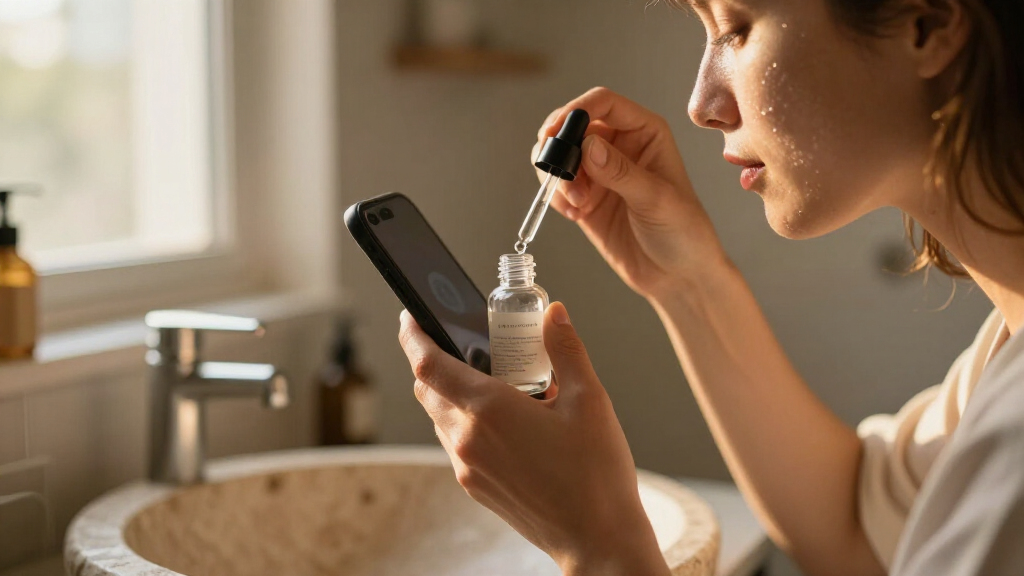
IdeaNavigator AI has outlined a product concept for a skincare app that uses guided weekly photos to track texture, tone and blemishes over time. It is a proposal, not a launched or clinically validated service; its suggested test would compare app measurements with dermatologist photo assessments in a 500-person, 12-week cohort.
IdeaNavigator AI has proposed a skincare-tracking app that would use guided weekly selfies to chart changes in skin texture, tone evenness and blemishes, offering a way to compare results with routine changes. The concept remains a proposed product and validation plan: no app launch, study results or evidence that its measurements reliably reflect skin improvement were provided.
According to IdeaNavigator AI’s concept, the proposed workflow is designed for people spending money on skincare without being sure whether a routine is helping. Users would take a photo each week following guidance intended to keep alignment and lighting consistent. The app would then score selected skin features and display how those measures change over time.
Users could also record routine changes, such as adding or removing a product. The concept says the app would report which changes came before measurable differences in its scores. That sequence could help users review their own routines, but it would not by itself prove that a product caused a change: skin can vary for many reasons, and IdeaNavigator AI does not describe a method for isolating those effects.
IdeaNavigator AI outlines a subscription combined with affiliate revenue from products correlated with user improvement. The proposal recommends testing the app in a 12-week cohort of 500 users, comparing app metrics with dermatologist assessments of photos for a subset and measuring retention. The concept provides no results or detailed study protocol.
Tracking Changes Beyond Memory
The concept addresses a practical problem for people whose skin changes gradually: judging progress from memory or from photos taken under different bathroom lighting can make comparisons unreliable. A consistent weekly record could make it easier to notice patterns and discuss changes with a dermatologist, especially when users are trying several products over time.
However, the value depends on whether the measures are dependable and useful, not just whether an app can produce a score. Lighting, camera differences and capture technique can affect an image, while skin conditions and treatment responses vary. A tracking score also should not be mistaken for a diagnosis or a substitute for medical advice. IdeaNavigator AI proposes a dermatologist comparison, but its concept provides no evidence yet that the app would meet that bar.
The affiliate component also matters to users. If revenue depends partly on product referrals, people would need clear disclosure about how recommendations are generated and whether commercial relationships affect them. IdeaNavigator AI says affiliate income would be tied to products correlated with improvement, but does not explain how correlation would be established or how conflicts would be handled.
As an affiliate, we earn on qualifying purchases.
A Proposed Test, Not a Trial
IdeaNavigator AI frames the idea as a narrow first product for a specific customer: a skincare user who spends $50 to $200 per month and is uncertain about results. Those figures come from the concept’s description of its intended market; they are not results from a customer survey or an independently reported market study.
The suggested first version would focus on three photo-based measures—texture, tone evenness and blemish counts—rather than attempting to assess every aspect of skin health. IdeaNavigator AI says controlled photo capture and skin-metric models could support the workflow, but does not identify a particular model, explain how it was tested or provide accuracy figures.
IdeaNavigator AI’s proposed validation plan calls for a 12-week group of 500 users, with dermatologist photo assessments for a subsample and user retention as a separate measure. These are proposed study components, not completed research. The concept reports no enrollment details, assessment criteria, comparison results or retention targets.
guided weekly selfie skincare tools
As an affiliate, we earn on qualifying purchases.
As an affiliate, we earn on qualifying purchases.
Measurement and Results Still Unproven
The main unresolved issue is whether the app’s scores would track meaningful skin changes consistently. IdeaNavigator AI reports no validation data or error rates, and its concept does not specify how many dermatologists would assess photos or how disagreements between app scores and clinical assessments would be handled.
It is also unclear how the system would account for changes in lighting and camera hardware, or distinguish a product’s effects from other factors such as season, hormones, medication or changes in routine. A record showing that a product change preceded a score shift would establish timing, not causation.
IdeaNavigator AI’s concept specifies no company launch, availability date, privacy policy or plan for handling sensitive face images. It also does not say whether affiliate links would influence product suggestions. These details would shape both the reliability of the tool and the trust users could place in its guidance.
skin texture and tone measurement device
As an affiliate, we earn on qualifying purchases.
As an affiliate, we earn on qualifying purchases.
Validation Would Be the Next Step
IdeaNavigator AI identifies a 12-week pilot with 500 participants as the next step. The key evidence would be whether app-generated measures agree with dermatologist assessments on a subset of photos and whether users continue using the tracker. The concept does not provide a start date or say that recruitment has begun.
Before the idea could support claims that a routine works, a published test would need to explain how photos are standardized, which skin features are scored and how performance is evaluated. It would also need to distinguish a useful tracking aid from a tool that can make medical conclusions. Until such evidence is available, the proposal is best understood as a product hypothesis rather than a proven method for evaluating skincare.
Source: IdeaNavigator AI
As an affiliate, we earn on qualifying purchases.
Key Questions
Is the skincare photo-tracking app available now?
No launch or availability details are included in IdeaNavigator AI’s proposal. It describes a possible app and a plan to test it, not a released service.
What would the app measure?
IdeaNavigator AI’s concept says the proposed tracker would score skin texture, tone evenness and blemishes using guided weekly photos. No measurement accuracy results have been reported.
Would a score prove that a product works?
No. A score changing after a routine adjustment would show that the events occurred in sequence, but would not prove the product caused the change. Skin can respond to other factors, and IdeaNavigator AI reports no causal evidence.
How does the proposal suggest testing the app?
IdeaNavigator AI proposes a 12-week cohort of 500 users, comparing app metrics with dermatologist photo assessments for a subset and tracking retention. The plan has not been reported as completed.
How might the app make money?
IdeaNavigator AI’s suggested model combines subscriptions and affiliate revenue from products associated with user improvement. The proposal does not explain how product correlations or commercial disclosures would be handled.
Source: IdeaNavigator AI
Halloween Picks
halloween
As an affiliate, we earn on qualifying purchases.