

Accessibility in support means making sure everyone can easily get help, no matter their abilities. It combines inclusive design with assistive technologies like screen readers or voice commands, removing barriers and creating a seamless experience. When support is accessible, you feel seen and heard, regardless of any impairments. Focusing on these principles helps create services that truly serve diverse needs. Keep exploring to discover how these solutions can make your support systems more inclusive and effective.

Get business pricing on tech for your team
- Business-only prices and quantity discounts
- Tax-exempt purchasing
- Multiple users, one account, clear invoices
Key Takeaways
- Accessibility in support ensures all users, regardless of abilities, can easily access help and resources.
- Assistive technologies like screen readers and speech recognition bridge gaps for users with disabilities.
- Inclusive design integrates accessibility features from the start, making support platforms more user-friendly for everyone.
- Combining assistive tech with inclusive design creates comprehensive, accessible support experiences.
- Commitment to accessibility promotes equal opportunity, making support genuinely usable and supportive for diverse users.
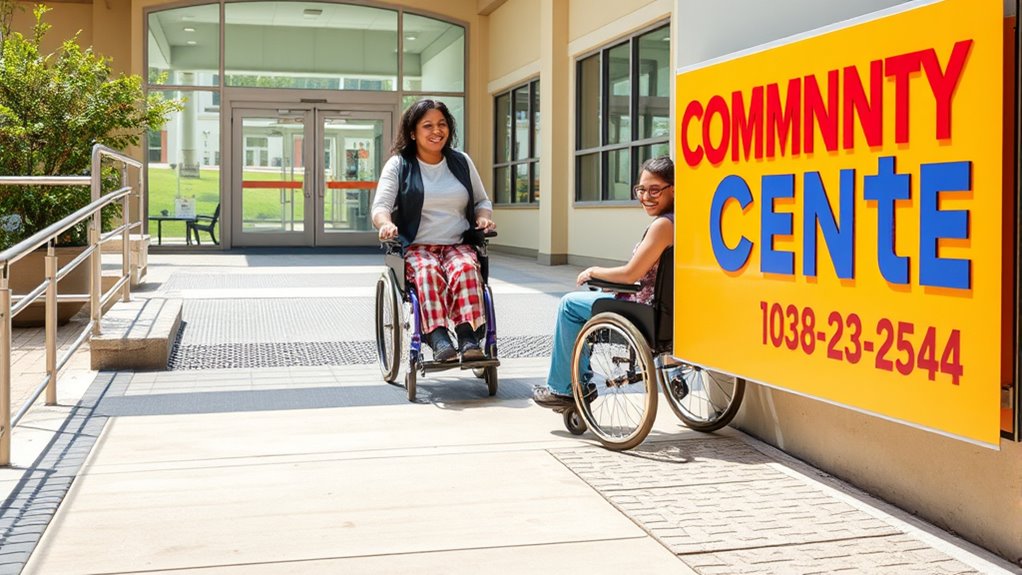
Have you ever wondered how accessible support truly is? It’s a question that touches on whether everyone, regardless of their abilities, can easily reach out and get the help they need. Today, support isn’t just about having someone available; it’s about guaranteeing every person can access that support seamlessly. This is where assistive technologies come into play. These tools are designed specifically to bridge gaps, whether someone has visual, auditory, motor, or cognitive impairments. From screen readers and speech recognition software to alternative input devices, assistive technologies empower users to communicate and find solutions more independently. They help break down barriers that might otherwise make support inaccessible, ensuring that no one feels left behind.
But simply having assistive technologies isn’t enough. The foundation of truly accessible support lies in inclusive design. Inclusive design is about creating systems, interfaces, and services that are usable by everyone from the start. It emphasizes understanding the diverse needs of users and integrating accessibility into the very fabric of the support experience. When support platforms are built with inclusive design principles, they become more intuitive and accommodating. For example, ensuring that customer service websites have clear navigation, adjustable text sizes, and compatibility with screen readers makes a significant difference. Such thoughtful design choices mean that support becomes more than just available; it becomes genuinely usable by all.
As you explore support options, you’ll find that inclusive design and assistive technologies work hand in hand. They’re not separate elements but components of a holistic approach to accessibility. When companies invest in these areas, they open their services to a broader audience, fostering a sense of belonging and trust. You might notice that some support systems include live chat features that are compatible with voice commands or offer video options with sign language interpretation. These innovations are the result of intentional design choices aimed at making support more inclusive.
In the end, accessibility in support isn’t just a feature; it’s a commitment. It’s about recognizing that everyone deserves equal access to help, regardless of their circumstances. By leveraging assistive technologies and embracing inclusive design, organizations can create environments where support is not just available but truly accessible. Incorporating assistive technologies like voice recognition and alternative input devices can significantly improve the support experience for users with disabilities. This approach ensures that every person feels seen, heard, and supported—because accessibility should be a standard, not an afterthought.
screen reader software for Windows
As an affiliate, we earn on qualifying purchases.
As an affiliate, we earn on qualifying purchases.
Frequently Asked Questions
How Do I Request Accessible Support Options?
To request accessible support options, you should contact the support team directly and specify your needs. Mention any assistive technology you use or communication barriers you face. Clearly describe what accommodations will help you access support effectively. Many organizations have procedures for this, so don’t hesitate to ask for alternative formats or methods that suit your needs. Your proactive request guarantees you get the assistance you need with ease.
Are There Training Resources for Support Staff on Accessibility?
You’ll find training resources for support staff on accessibility quite readily available. Many organizations offer courses on assistive technologies and accessibility policies, often coincidentally aligned with new product launches or updates. These resources help your team better understand how to support users with diverse needs, ensuring they’re equipped to implement accessible solutions effectively. Check online platforms, industry webinars, or your company’s training portal for exhaustive materials that keep your support team current.
What Accommodations Are Available for Non-Native Speakers?
You can access various accommodations for non-native speakers, such as language translation services and visual aids. These tools help you understand support interactions better and communicate more effectively. Language translation guarantees you can follow conversations in your preferred language, while visual aids clarify complex information. By utilizing these resources, support teams make sure you’re comfortable and well-informed, regardless of language barriers, enhancing your overall support experience.
How Is Feedback on Accessibility Improvements Collected?
You can share your feedback through dedicated feedback loops, such as surveys or direct contact forms. Organizations also conduct regular accessibility audits to identify areas for improvement. Your input helps shape these audits, ensuring they address real user experiences. By actively participating in feedback processes, you contribute to ongoing accessibility enhancements, making support more inclusive and effective for everyone.
Are There Specific Accessibility Standards the Support Team Follows?
Yes, your support team follows specific accessibility standards aligned with accessibility policies to guarantee inclusivity. They incorporate assistive technology to better serve users with diverse needs, adhering to guidelines like the WCAG. These standards help the team deliver consistent, accessible support, making sure that all users, regardless of their abilities, receive effective assistance. Regular training and updates ensure the team stays compliant and understands how to implement these accessibility policies effectively.
voice recognition assistive technology
As an affiliate, we earn on qualifying purchases.
As an affiliate, we earn on qualifying purchases.
Conclusion
Just as the lighthouse guides ships safely to shore, accessible support lights your way through challenges. When you prioritize inclusivity, you create a journey where everyone feels valued and understood. Remember, the true strength of support lies in its ability to adapt and evolve—much like the myth of the phoenix rising anew. By embracing accessibility, you guarantee no one is left in the shadows, helping everyone reach their destination with confidence and hope.
inclusive support website design tools
As an affiliate, we earn on qualifying purchases.
As an affiliate, we earn on qualifying purchases.
As an affiliate, we earn on qualifying purchases.
Evergreen bestsellers Picks
bestsellers
As an affiliate, we earn on qualifying purchases.