📊 Full opportunity report: Memory Stopped Being a Commodity on ThorstenMeyerAI.com — validation score, market gap, and execution plan.

Get business pricing on tech for your team
- Business-only prices and quantity discounts
- Tax-exempt purchasing
- Multiple users, one account, clear invoices
TL;DR
Micron announced it has secured $100 billion in long-term contracts with major customers, locking in demand through 2030. This marks a shift from memory being a volatile commodity to a pre-funded, strategic asset, impacting supply and pricing dynamics.
Micron has signed 16 long-term ‘take-or-pay’ contracts that lock in approximately $100 billion in revenue through 2030, a move that effectively transforms memory from a fluctuating commodity into a pre-funded, strategic input for major buyers. This development signals a significant industry shift, with memory demand now secured via contracts rather than spot-market purchases. For a deeper understanding of how AI is transforming supply chain dynamics, see this analysis of AI’s impact on supply chains.
In its fiscal June quarter, Micron disclosed that these contracts cover about 20% of its DRAM and roughly a third of its NAND memory output over the period from 2026 to 2030. The contracts are mostly five-year agreements, with some automotive deals shorter at three years. They are structured as ‘take-or-pay’ commitments, meaning customers agree to buy a set volume or pay for it regardless, ensuring stable revenue for Micron.
The pricing model within these contracts is designed with a ceiling near current market prices and a floor that guarantees Micron gross margins above previous cycle peaks, effectively insulating the company from market crashes. You can learn more about the six chokepoints in AI tooling and how they impact industry shifts. Customers are also paying roughly $22 billion upfront in deposits and commitments, which Micron holds on its balance sheet, a stark departure from traditional industry practices where memory capacity was financed by manufacturers and bought on spot markets by customers.
This pre-funding model shifts risk and demand certainty, with buyers now financing capacity development directly, akin to infrastructure investments like electricity or jet fuel. Micron’s record revenue of $41.5 billion, an 84.9% gross margin, and free cash flow of $18.3 billion underscore the strength of this new approach. To explore how AI-driven strategies are reshaping tech industries, visit our detailed guide on AI’s strategic influence.
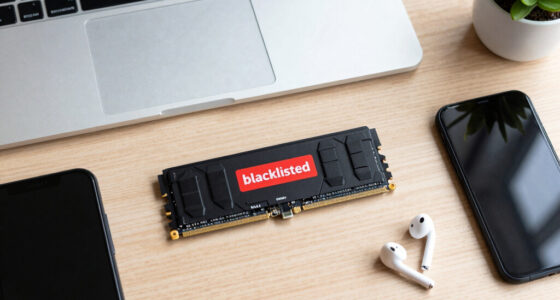
Memory stopped being a commodity
Micron just locked up a fifth of its DRAM and a third of its NAND through 2030 with binding take-or-pay contracts — and collected $22 billion in deposits from the customers, up front. The boom-bust cycle that always brought cheap RAM back is being contracted away.
A dream deal for Micron — near-peak prices, margin floors above any past peak, customer-funded fabs. Insurance for the buyers who signed — real protection against a real shortage, bought dear. And for everyone else, a forecast: don’t expect cheap memory back soon. The structure is also a large, leveraged bet on AI demand holding to 2030 — and floors get tested in a genuine downturn. The contracts run to 2030; the test arrives sooner.
Implications of Memory Contracts on Industry Dynamics
This shift indicates that memory is no longer purely a commodity subject to cyclical price swings but is becoming a strategic, pre-funded resource. For Micron, it means more predictable revenue and margin stability, reducing exposure to market downturns. For buyers, it offers assured supply at near-peak prices, effectively locking in capacity amid supply shortages and AI-driven demand growth.
However, this change could alter the traditional supply-demand balance, with the potential to extend the memory cycle and reduce price volatility. It also signifies a power shift towards large buyers capable of committing to multi-year contracts and pre-funding capacity, which may influence market competition and pricing strategies long-term.
As an affiliate, we earn on qualifying purchases.
Historical Cycles and Industry Evolution
For decades, the memory industry has experienced predictable boom-bust cycles driven by supply gluts and shortages, with prices fluctuating based on demand and capacity swings. Historically, manufacturers bore the risk of capacity investments, while buyers purchased memory on the spot or short-term contracts.
Recent years have seen shortages driven by AI and data center demand, pushing prices upward. Micron’s new contracts mark a departure from this pattern, as the industry moves toward long-term, pre-paid arrangements, reflecting a strategic shift in how memory capacity is financed and consumed.
While Micron claims this approach ‘tames’ the cycle, industry analysts caution that it only covers part of the market and that the overall cycle may still persist, just in a more extended form.
“These agreements provide stability for both Micron and our customers, ensuring supply and demand alignment for years to come.”
— Micron’s Chief Business Officer
As an affiliate, we earn on qualifying purchases.
Remaining Questions About Industry-Wide Impact
It is still unclear how widespread this contractual model will become across the entire memory industry, as Micron currently covers only about 20% of its DRAM and one-third of NAND. The long-term effects on prices, supply, and market competition remain uncertain, and whether other manufacturers will adopt similar approaches is not yet known.
Additionally, the actual impact on market cycles and pricing stability will depend on how many customers commit to such contracts and how supply responds to these pre-funding arrangements.
As an affiliate, we earn on qualifying purchases.
Future Developments and Industry Adoption
Micron plans to expand these long-term contracts to cover more of its output, aiming for over half of its revenue under similar agreements. Industry analysts will watch whether competitors follow suit, potentially reshaping the memory market landscape. Monitoring demand from AI and data centers will also be key, as these sectors drive the need for capacity and influence contract negotiations.
Further quarterly reports and industry data will clarify whether this contractual shift leads to a sustained change in memory pricing and supply stability.
As an affiliate, we earn on qualifying purchases.
Key Questions
How do these contracts affect memory prices?
These contracts set price bands near current market levels, potentially reducing volatility but also locking in prices for years. The impact on overall market prices remains uncertain as the industry adapts.
Will other memory manufacturers adopt similar contracts?
It is not yet clear. Micron’s move may influence competitors, but widespread adoption depends on industry strategy and customer demand.
What does this mean for consumers and device makers?
While the contracts mainly involve large buyers, the shift could lead to more stable supply and prices in the long term, potentially benefiting end consumers indirectly.
Does this change the supply-demand cycle?
It may extend or soften the cycle rather than eliminate it, as pre-funding shifts some risks but does not fully remove market fluctuations.
How long will these contracts last?
The majority run from 2026 to 2030, with some automotive deals shorter at three years. Future contracts could extend beyond that period.
Source: ThorstenMeyerAI.com
Halloween Picks
halloween
As an affiliate, we earn on qualifying purchases.