
🔍 Read the full analysis: AI Tools That Guarantee Smooth Plumbing & HVAC Collaboration on ThorstenMeyerAI.com

Get business pricing on tech for your team
- Business-only prices and quantity discounts
- Tax-exempt purchasing
- Multiple users, one account, clear invoices
TL;DR
Gewerkton, an AI-powered construction platform, now offers tools that guarantee smoother collaboration between plumbing and HVAC teams. This reduces uncoordinated breakthroughs and speeds up leak detection, enhancing project margins and operational efficiency.
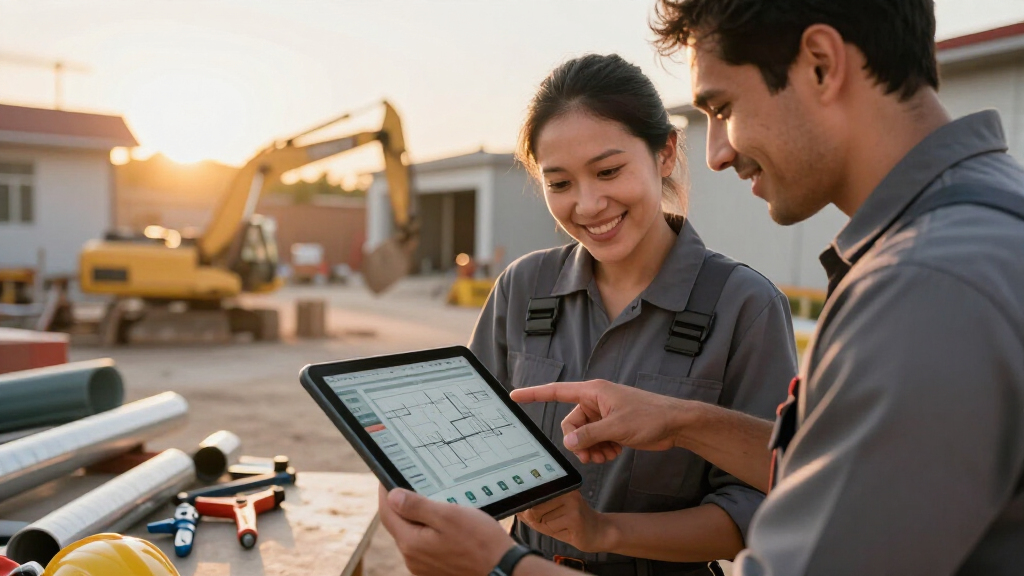
Gewerkton, an AI-powered construction platform, has launched new tools designed to ensure smoother collaboration between plumbing and HVAC teams, reducing project delays and errors. This development marks a significant step toward automating and optimizing building services coordination, which has traditionally been plagued by unplanned breakthroughs and misaligned workflows. For a detailed overview, see the original analysis on Gewerkton’s approach to project coordination. The platform’s enhancements aim to improve project margins and operational efficiency by leveraging advanced AI and digital documentation, as detailed in the original analysis.
The new AI tools are integrated into Gewerkton’s existing platform, which covers the entire lifecycle of building services projects—from planning and execution to handover and maintenance. They automatically analyze project plans, detect potential conflicts, and suggest optimal routing for pipes and ducts before any physical work begins. This process is explained further in Gewerkton’s detailed coverage. According to Thorsten Meyer, the platform now flags conflicts such as misaligned shafts or colliding routes in real-time, enabling trades to resolve issues during design rather than on-site, where errors are costly and time-consuming.
One key feature is the AI-driven visualization of vertical shafts and routing paths, which ensures that plumbing and HVAC runs align vertically across floors. This addresses a common problem where breakthroughs are requested via email, noted in plans, but often not executed correctly on-site, leading to rework and delays. The system also incorporates a comprehensive photo grid, which verifies the completeness of wall penetrations and pipe placements before walls are closed, reducing leak detection times from days to minutes.
Furthermore, the platform’s cloud and operations modules generate detailed equipment registers and maintenance schedules at handover, streamlining post-project management. This structured data supports warranty tracking, service planning, and follow-up revenue, making the entire process more transparent and efficient. The company reports that uncoordinated breakthroughs per project have dropped from over 40 to fewer than five, and leak location times in existing buildings have been reduced from two days to just 20 minutes.
Enhanced Collaboration Transforms Building Services
The integration of AI tools into Gewerkton’s platform addresses long-standing inefficiencies in building services projects, particularly between plumbing and HVAC trades. By automating conflict detection and improving documentation accuracy, these developments reduce costly rework, project delays, and errors. The result is higher margins for contractors, faster project completion, and improved building quality. This shift also supports more sustainable construction practices by minimizing waste and unnecessary demolitions, ultimately benefiting stakeholders across the industry.
AI-powered plumbing and HVAC coordination software
As an affiliate, we earn on qualifying purchases.
As an affiliate, we earn on qualifying purchases.
Traditional Challenges in Plumbing and HVAC Coordination
Building services projects often suffer from uncoordinated breakthroughs, where plumbing and HVAC routes are planned separately without real-time conflict detection. Historically, issues such as misaligned shafts, colliding routes, and incomplete documentation have led to costly rework and project delays. The manual process of resolving conflicts on-site is time-consuming and prone to errors, impacting project margins and quality. Recent advances in digital documentation and project management platforms have begun to address these issues, but integration of AI for proactive conflict resolution is a newer development.
Gewerkton’s platform has been evolving to incorporate AI-driven features that analyze plans, detect conflicts early, and provide visualizations that align with German construction standards. The latest updates aim to make collaboration between trades more seamless, reducing the need for on-site adjustments and improving overall project workflows.
“By automating conflict detection and documentation, Gewerkton’s platform is setting a new standard for building services coordination.”
— Thorsten Meyer
construction project conflict detection tools
As an affiliate, we earn on qualifying purchases.
As an affiliate, we earn on qualifying purchases.
Unconfirmed Aspects of AI Effectiveness in Practice
While the platform’s new features are promising, it is not yet clear how widely they have been adopted across different markets or their long-term impact on project margins. Details about user training, integration challenges, and performance in complex or older buildings remain limited. Further data is needed to confirm whether these AI tools consistently deliver the projected efficiency gains in diverse project environments.
building services leak detection devices
As an affiliate, we earn on qualifying purchases.
As an affiliate, we earn on qualifying purchases.
Upcoming Deployment and Industry Adoption Milestones
Gewerkton plans to expand its AI features further in the coming months, with pilot programs underway in several regions. Industry stakeholders are watching closely to evaluate the real-world performance and ROI of these tools. Broader adoption will depend on continued development, user feedback, and integration with existing construction workflows. Future updates are expected to include enhanced conflict resolution algorithms and more detailed analytics for ongoing project optimization.
digital documentation for plumbing and HVAC
As an affiliate, we earn on qualifying purchases.
As an affiliate, we earn on qualifying purchases.
Key Questions
How do AI tools improve plumbing and HVAC coordination?
AI tools analyze project plans for conflicts, suggest optimal routing, and visualize vertical shafts, reducing errors and rework during construction.
Will these AI features reduce project costs?
Preliminary data suggests that fewer uncoordinated breakthroughs and faster leak detection can lower overall project expenses and improve margins.
Are these tools applicable to existing buildings?
Yes, especially for leak detection and maintenance planning, as the structured documentation allows quick access to interior layouts and equipment data.
What challenges remain in implementing AI for building services?
Widespread adoption depends on integration ease, user training, and validation of long-term benefits across diverse project types and regions.
When will this technology become standard in the industry?
Industry-wide adoption will likely take several years, contingent on proven results, market acceptance, and further technological refinement.
Source: ThorstenMeyerAI.com
Columbus Day / Indigenous Peoples' Day Picks
long weekend sales
As an affiliate, we earn on qualifying purchases.