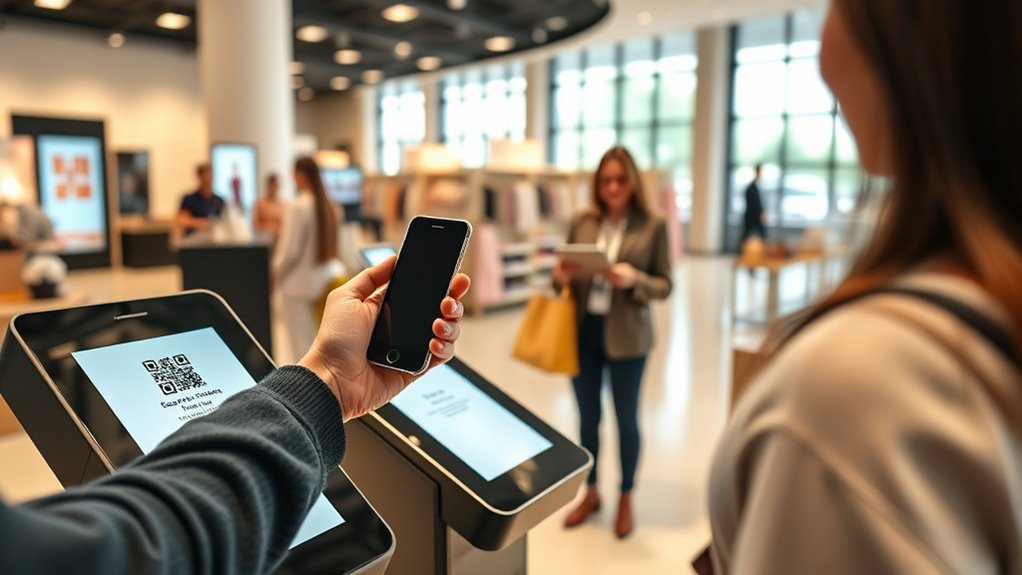

Omnichannel experiences connect all your shopping channels—websites, apps, stores, and social media—so customers enjoy a seamless, personalized journey. You can meet modern expectations by providing consistency and convenience across touchpoints, using technology to track interactions in real time. Effective data-driven strategies help tailor recommendations and offers, building loyalty and trust. By continuing, you’ll discover how to leverage these insights and technologies to create truly unified and engaging customer experiences.

Get business pricing on tech for your team
- Business-only prices and quantity discounts
- Tax-exempt purchasing
- Multiple users, one account, clear invoices
Key Takeaways
- Omnichannel experiences ensure consistency, convenience, and personalization across all customer touchpoints for seamless engagement.
- Personalization strategies leverage data analysis to tailor recommendations, offers, and content to individual customer preferences.
- Technology integration connects various channels, enabling real-time tracking and a unified, frictionless shopping experience.
- Data-driven personalization enhances customer satisfaction, builds trust, and provides insights for continuous improvement.
- Success relies on regional considerations, leveraging insights, and embracing new technologies to deliver an attentive, convenient brand experience.
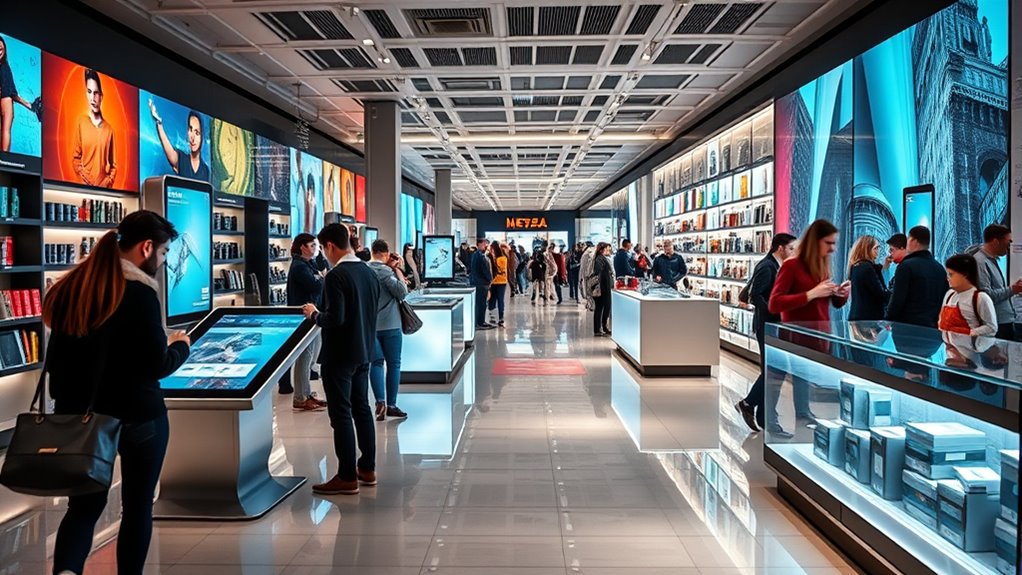
In today’s fast-paced retail landscape, delivering seamless omnichannel experiences has become essential for meeting customer expectations. Customers no longer see shopping as a simple transaction; they want consistency, convenience, and personalization across all touchpoints. To achieve this, you need to focus on effective personalization strategies that make each interaction meaningful. Personalization goes beyond addressing customers by their names—it involves analyzing data to understand preferences, behaviors,, and purchase history. When you tailor recommendations, offers, and content to individual needs, you create a more engaging experience that encourages loyalty. But personalization alone isn’t enough; it must be supported by robust technology integration that connects all your channels into a unified system.
Seamless omnichannel retail demands personalized experiences powered by integrated technology and data-driven insights.
Technology integration acts as the backbone of a successful omnichannel strategy. It ensures your website, mobile app, in-store systems, social media platforms, and customer service tools communicate seamlessly. With integrated technology, you can track customer interactions across channels in real time, allowing for more accurate personalization. For example, if a customer browses products on your website but prefers to complete the purchase in-store, your system should recognize this and offer relevant in-store promotions or assistance. This level of connectivity reduces friction, making the shopping experience smooth and intuitive. When your systems are integrated, you can also manage inventory more effectively, ensuring product availability aligns with customer expectations regardless of how they shop.
Implementing personalization strategies through technology integration means you can respond swiftly to customer needs. Automated alerts, personalized emails, or targeted ads become more relevant when powered by real-time data. This responsiveness enhances customer satisfaction and fosters trust. Additionally, with integrated technology, you can gather detailed insights into customer journeys, identifying pain points and opportunities for improvement. The key is to leverage these insights to refine your personalization efforts continually.
Furthermore, understanding regional factors such as local legal requirements can help tailor your omnichannel approach to meet specific customer needs and expectations. The key is to leverage these insights to refine your personalization efforts continually.
In essence, creating a seamless omnichannel experience hinges on your ability to blend personalization strategies with technology integration. When you do this well, customers perceive your brand as attentive and convenient, increasing the likelihood of repeat business. Remember, the goal isn’t just to sell but to build lasting relationships by providing a consistent, personalized experience at every touchpoint. As retail evolves, so should your approach—embracing new technologies and refining your personalization tactics to stay ahead. By focusing on these core elements, you empower your brand to deliver the kind of omnichannel experience that meets and exceeds modern customer expectations.
Top picks for "omnichannel experienc"
As an affiliate, we earn on qualifying purchases.
Frequently Asked Questions
How Can Small Businesses Implement Omnichannel Strategies Effectively?
You can implement omnichannel strategies effectively by focusing on personalization strategies that cater to your customers’ preferences across all channels. Invest in staff training so your team can deliver consistent, knowledgeable service whether online or in-store. Use customer data to personalize interactions, ensuring a seamless experience. Regularly analyze performance metrics to refine your approach, making your omnichannel efforts more efficient and engaging for your customers.
What Are the Main Challenges in Integrating Multiple Sales Channels?
You face challenges like channel fragmentation, which makes it hard to offer a seamless experience across platforms. Inventory synchronization is also tricky, risking overselling or stockouts if updates aren’t real-time. To overcome these, you need integrated systems that unify your channels and keep inventory data consistent. This way, you provide a smooth, reliable shopping experience, boosting customer satisfaction and loyalty while simplifying your operations.
How Does Omnichannel Impact Customer Loyalty and Retention?
You see that omnichannel boosts customer loyalty and retention by providing personalized engagement tailored to your customers’ preferences. When you deliver consistent, seamless experiences across all touchpoints, it enhances customer satisfaction, making them more likely to stay loyal. This approach helps you build stronger relationships, encourages repeat business, and fosters brand advocacy, ultimately creating a loyal customer base that values the convenience and personalized service you offer through multiple channels.
What Technologies Are Essential for a Seamless Omnichannel Experience?
You need AI integration and data synchronization to create a seamless omnichannel experience. AI helps personalize interactions, predict customer needs, and automate support across channels. Data synchronization guarantees consistent information, so your customers get a unified view, whether they’re shopping online or in-store. Together, these technologies enable smooth handovers between channels, boost engagement, and improve satisfaction, ultimately fostering loyalty and increasing retention.
How Can Companies Measure Success in Their Omnichannel Initiatives?
You can measure success in your omnichannel initiatives by tracking customer feedback and digital analytics. Did you know 73% of customers use multiple channels during their shopping journey? By analyzing this data, you identify which channels perform best and where improvements are needed. Monitoring metrics like customer satisfaction, engagement, and conversion rates helps you understand the impact of your efforts, ensuring your omnichannel strategy effectively enhances the customer experience.
Conclusion
By integrating your channels seamlessly, you’re truly hitting the nail on the head with omnichannel experiences. When your customers can move effortlessly between online and offline touchpoints, you’re building loyalty that sticks. Remember, a chain is only as strong as its weakest link, so make sure every part of your strategy works together in harmony. Stay committed to this approach, and you’ll find success where the rubber meets the road.
Halloween Picks
halloween
As an affiliate, we earn on qualifying purchases.